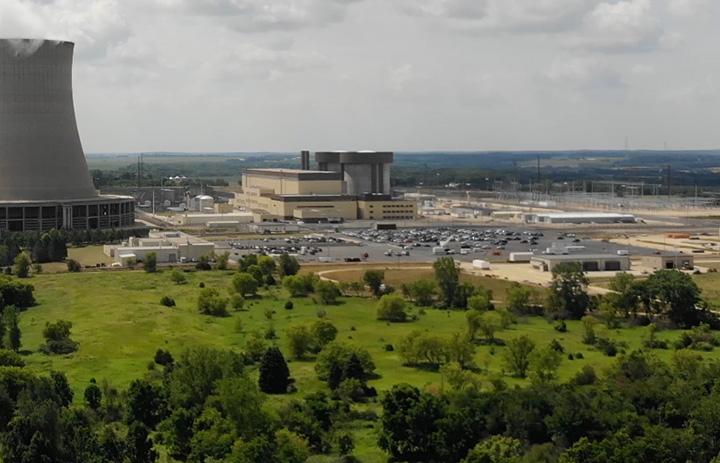
The Constellation nuclear energy plant in Byron, Illinois has finalized the first phase of an $800 million upgrade project. Its scope of implementation entailed replacing three major turbines in one of its reactor unit buildings. This extensive upgrade project is designed to enhance the plant’s ability to generate power. Once complete, the plant is expected to add roughly 158 MW of power capacity to the region.
The generated power is approximated to be sufficient to power 100,000 additional homes enhancing the state’s power supply. Moreover, the entire project is slated for completion in about three years. The upgrade continues despite a chemical leak in early March that injured eight workers at the facility. However, project officials have noted that the incident did not have an impact on the project’s schedule.
These remarks were concurred by Shane Harvey, plant manager for the Constellation nuclear energy plant in Byron. She also addressed future energy demands. “If you take a look at the future and there have been some reports that are out there, there are going to be some challenges with electricity, with more consumption in the coming years.” Despite significant energy advancements, Illinois does not come close to having the largest power plants in the USA compared to its neighbors Michigan and Indiana.
Other Projects
Other than the Constellation nuclear energy plant in Byron, nuclear energy projects in the United States are becoming fundamental with projects such as the Commonwealth fusion energy power plant advancing. Commonwealth has become the first fusion energy company to apply to join a major power grid operator. The firm noted earlier today it had submitted an application to connect its ARC power plant to PJM Interconnection. PJM is the nation’s largest wholesale electricity market. Commonwealth noted the application marks the first time a fusion power plant developer has requested such a connection.
Outlook on the Constellation Nuclear Energy Plant in Byron
Harvey noted that once complete, the Constellation nuclear energy plant in Byron will have immense economic benefits. “And this particular outage, we had about 1,500 contractors that came in for the outage,” Harvey said. “So it’s good for the community in terms of financial benefit to the community. But it’s also a lot of jobs for people in the area.” The replaced turbines are a centerpiece in the plant’s ability to generate power.
One of the old turbines removed from the plant weighed more than 187 tons. Moreover, plant staff explained that the turbines are large enough that both overhead cranes must be tied to pick them up. The process involves heat that is generated when the reactor is reassembled. The heat goes to large silver containers to create steam that spins the turbines and generates electricity.
Harvey noted the project’s aim is to help combat future electricity challenges that may arise by adding more power to the grid. Data centers are a main contributor as various states across the U.S. aim to keep their power grids afloat. Texas is no exception as its main grid operator ERCOT introduced Batch Zero proposal, a system to determine which data centers will be connected first to the grid. During the outage, the reactor fuel was also refilled. With phase one of the project now complete, phase two will begin in October on the plant’s other reactor unit.
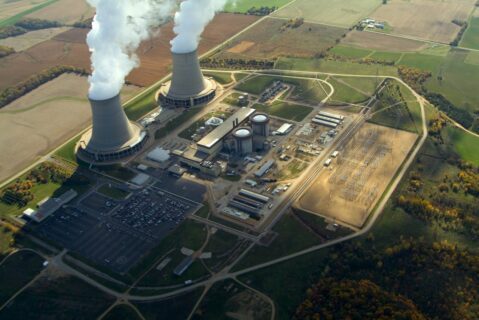
Project Factsheet:
- Project Name: Byron Nuclear Plant Upgrade Project
- Location: Byron, Illinois
- Estimated Investment Value: $800 Million
- Project Type: Nuclear plant upgrade / capacity expansion
Timeline
- Phase 1: Completed (turbine replacement)
- October (upcoming): Phase 2 begins
- Overall Duration: ~3 years
Site & Scale
- Facility: Byron Nuclear Power Plant
- Capacity Increase: +158 MW
- Power Output Impact: ~100,000 additional homes
Project Teams
- Owner/Operator: Constellation Energy
- Contract Workforce: ~1,500 temporary workers during outage
Infrastructure Scope
- Replacement of three major turbines
- Upgrades to reactor unit systems
- Also refueling during outage period
Strategic Objectives
- Increase power generation capacity
- Also improve efficiency of existing nuclear infrastructure
- Support rising electricity demand
- It also srengthens regional grid reliability
Challenges
- Worksite incident (chemical leak) with injuries
- However, no impact on project schedule reported
Current Status
- Phase 1 completed
- Phase 2 scheduled to begin
- Project also progressing toward full completion within timeline



Leave a Reply