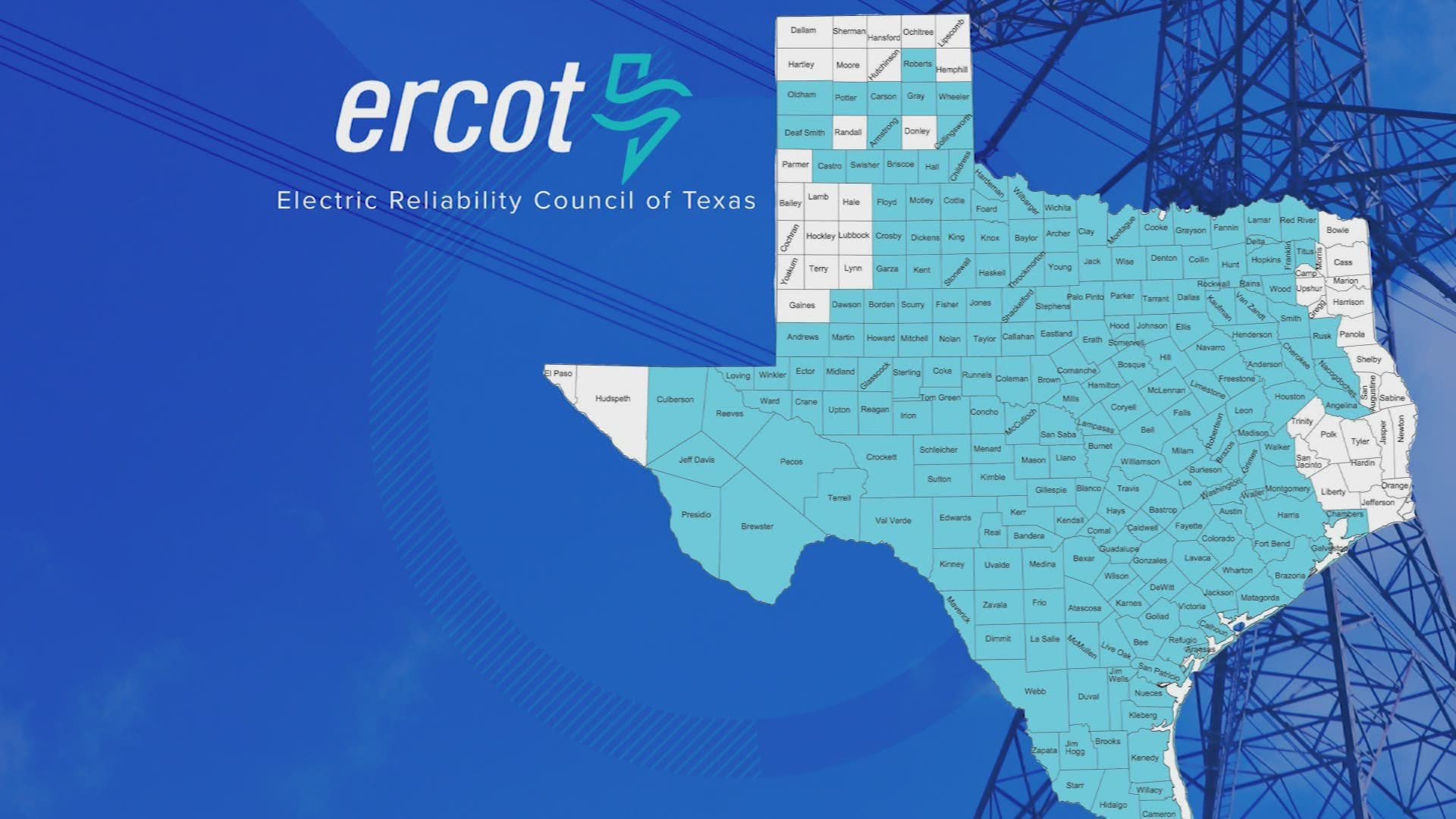
The Batch Zero proposal by state-owned ERCOT is causing a scramble among data centers for a spot on the Texas grid. The move comes as the grid faces unprecedented growth that has necessitated measures to ensure its stability. The state’s regulators and main grid operator are eyeing a system that would green-light data centers in batches. Projects in so-called Batch Zero will be assigned power based on what the grid can handle now.
However, projects not chosen for that first batch may have to wait years for the state to add the necessary transmission and generation. This has set up a mad dash among developers. “We’re not really sure what exists after Batch Zero,” Arushi Sharma Frank, an executive adviser with Nvidia-backed Emerald AI, said. “Who is in Batch One that will still want to start or finish the project in Texas?” Texas is on track to lead the country in power-hungry data center developments, potentially eclipsing Virginia by 2030.
Other Projects
Texas is not the only state that has an influx of data centers as Kansas is also receiving its share of data centers such as a $12.6 billion campus in Wyandotte. Earlier last year in May, the project took a major step forward as the Unified Government Planning Commission of Wyandotte County and Kansas City, Kansas, endorsed a plan for a massive 550-acre business park project housing the campus.
However, as of early 2026, the proposed $12.6 billion Red Wolf DCD Properties data center campus in Wyandotte County, Kansas, has faced significant delays due to local opposition despite initial planning commission support. Other projects are aiming to rely on their own power such as the Project Jupiter data center by Oracle. The firm is expected to power the 2.45GW data campus using Bloom Energy fuel cells. This updated power design will replace Project Jupiter’s previously planned gas turbines and diesel generators. Moreover, it will consolidate the facility into one single microgrid campus.
However, some may still have to rely to grid connection such as the Meta data center in El Paso although it is developing a gas-fired plant to facilitate its power needs. However, residents are complaining that the project will cause massive air pollution. Based on this and worry about resource usage, El Paso District 2 city Rep. Josh Acevedo is seeking to terminate the tax break agreement the city awarded Meta Platforms Inc. The agreement was made in exchange for the tech giant developing the campus in Northeast El Paso. However, city officials are warning the termination could create massive financial risks for the city.

Scope of Implementation on the Texas ERCOT Batch Zero Proposal
The Batch Zero proposal by Texas main grid operator ERCOT comes as the entity anticipates that demand will more than quadruple to about 368 gigawatts of demand by 2032. Furthermore, more than 60 percent of that demand growth is set to come from data centers alone. However, as data centers request grid connection, grid operators across the U.S. are trying to assess which projects should be considered first.
The Public Utility Commission of Texas and ERCOT are proposing to study grid connection applications from data centers and other large facilities as a group. This is in comparison to one at a time, so they can better allocate transmission and power across the grid. On Friday, ERCOT published a set of vetting criteria for projects that want to be part of Batch Zero.
The proposed rules would break projects up into tiers within the batch, based on when they plan to plug into the grid, with requirements for each tier. Also, projects that come online by July 10 could be automatically included. ERCOT said they have so far gotten positive feedback on the proposal from shareholders despite some concerns. Data centers are advancing energy projects not only in Texas but across the U.S. with projects such as the Constellation nuclear energy plant in Illinois being worked on to add power to the grid.

Project Factsheet:
- Project Name: ERCOT Batch Zero Proposal
- Location: Texas, United States
- Project Type: Grid connection allocation framework
Timeline
- 2026: Proposal introduced and stakeholder feedback ongoing
- July 10: Initial eligibility cutoff for Batch Zero inclusion
- 2032: Demand projections horizon
Site & Scale
- Projected Demand: ~368 GW by 2032
- Key Driver: Data centers (60%+ of demand growth)
- Scope: Statewide grid connection management
Project Teams
- Grid Operator: Electric Reliability Council of Texas
- Regulator: Public Utility Commission of Texas
Infrastructure Scope
- Batch-based grid connection system
- Tiered project classification within batches
- Transmission and power allocation planning
Strategic Objectives
- Manage rapid growth in electricity demand
- Prioritize grid connections based on capacity
- Improve planning efficiency for large-load projects
- Maintain grid stability amid data center expansion
Challenges
- Uncertainty for projects outside Batch Zero
- Potential delays of several years for later batches
- High competition among developers for early inclusion
Current Status
- Proposal released with vetting criteria
- Stakeholder feedback largely positive
- Developers racing to secure Batch Zero placement



Leave a Reply