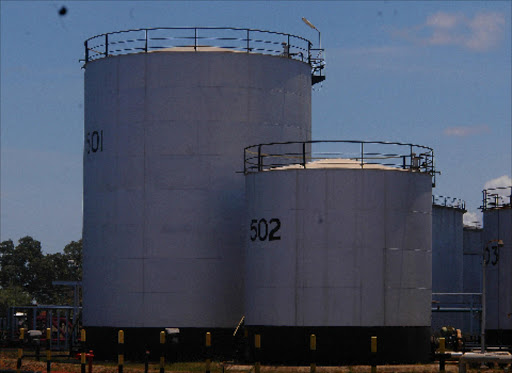
Mombasa LPG storage facility construction is now scheduled to begin in October 2026 under Nigeria’s Asharami Synergy. The 30,000-metric-tonne project will rise at the Kenya Petroleum Refineries Limited (KPRL) site in Changamwe. The development will create a common-user terminal for LPG importers and strengthen Kenya’s bulk gas handling capacity.
The government expects the facility to lower landed LPG costs through larger consolidated imports. Construction should take 24 months, with commissioning targeted for the fourth quarter of 2028.
Mombasa LPG Storage Facility moves toward construction
The project has progressed significantly since Kenya transferred its implementation to Asharami Synergy. KPRL handed the site to Asharami on December 9, 2025.
The Nigerian company has also secured the required permits for construction. These approvals include a construction permit from the Energy and Petroleum Regulatory Authority.
Petroleum Principal Secretary Kello Harsama disclosed the latest timeline during an update to lawmakers. He said construction should start in October 2026.
The project will occupy 23.19 acres within the KPRL facility in Changamwe. KPRL has leased the land to Asharami for 31 years.
Under the agreement, KPRL will receive an annual rent of approximately $174,000. The rental payment will increase every five years under the lease terms.
The facility will operate as a common-user terminal. Therefore, multiple companies importing LPG can access the storage infrastructure for a fee.
The arrangement should allow importers to consolidate larger LPG shipments. Consequently, importers could achieve economies of scale and reduce landed gas costs.
Mombasa LPG Storage Facility targets lower LPG costs
The government expects the project to support Kenya’s national LPG growth strategy. The strategy targets increased cooking gas consumption across the country.
Government projections seek to raise per-capita LPG consumption to 15 kilograms by 2030. Current consumption stands at approximately 7.9 kilograms per person.
Furthermore, authorities want LPG uptake to increase substantially among Kenyan households. The new terminal should provide additional storage capacity for bulk imports.
The government also expects the facility to strengthen LPG supply security. Increased storage could reduce exposure to supply disruptions and expensive shipping delays.
The project could therefore support Kenya’s broader clean-cooking transition. Greater LPG availability could also reduce reliance on charcoal, firewood and other traditional fuels.
However, the project has attracted scrutiny over its transfer from KPC to Asharami. KPC had already spent Sh192.64 million on preparatory work before losing the project.
Those preparations included demand studies, environmental assessments and front-end engineering designs. Parliament subsequently raised questions about the project’s procurement and financial implications.
The National Assembly also flagged the potential loss of public funds associated with KPC’s earlier expenditure.
Despite those concerns, the project remains on track for construction later this year. The latest government timeline targets commissioning during the fourth quarter of 2028.
The facility also forms part of Kenya’s wider coastal energy infrastructure expansion. Other major developments include the planned Lamu refinery and associated energy projects.
Kenya’s proposed Lamu refinery is targeting 700,000 barrels per day and investment of about $15–16 billion. The refinery could require extensive fuel storage, logistics and energy infrastructure around Lamu Port.
The two developments therefore reflect Kenya’s broader effort to expand petroleum infrastructure along its coastline. The Lamu refinery project and its planned 1,000MW power plant could create another major coastal energy hub alongside Mombasa’s LPG infrastructure.
Construction Period of the East Africa’s Biggest LPG Storage Facility
The facility estimated to take 2-years to build will be financed by Asharami,while land project located on the port-side will be provided with Kenya pipeline Co.
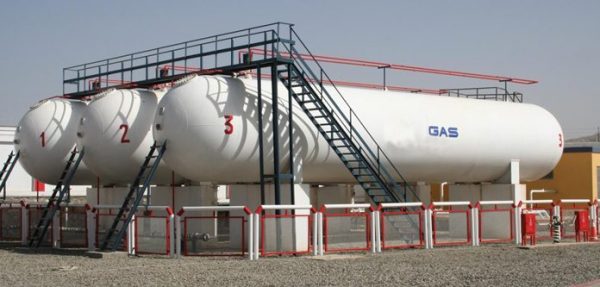
Kenya pipeline company manager director Joe Sang also told Bloomberg the process of on boarding a private sector company for the cooking-gas facility is ongoing while a spokesperson for Lagos-based on Asharami,this provided warehousing and logistics terminals in the downstream oil and gas sector across Nigeria and other nations in Africa,refused to comment.
Significance
If finalized,this collaboration,would mark a highly significant step for Kenya’s energy sector,potentially enhancing its LPG security and accessibility.
A clean-burning fuel,LPG,are highly gaining popularity in Kenya as a as more friendly environmental alternative to the traditional fuels like firewood and charcoal.The increased storage capacity would lead to steadier LPG supplies and it will highly lower prices for Kenyan consumers.
This talk between Kenya and Sahara are still ongoing,and details regarding East Africa’s Biggest LPG Storage Facility investment and timeline are yet to be finalised.This will highly increase collaboration signifies Kenya’s commitment to improving its cleaner cooking solutions for its citizens and LPG infrastructure. with estimated recoverable gas resources of around 57 trillion cubic feet (tcf), Tanzania will feature as part of an East African regional spotlight at Invest in African Energy (IAE) 2024, as the country seeks partners across various exploration, development and processing activities.
Kenya and Tanzania on the Race of becoming East Africa’s Major Oil Importer and Distributor
Since discovering large volumes of offshore gas, Tanzania has initiated plans to become a major LNG exporter. The country’s flagship Tanzania LNG project – set to process gas from fields operated by Equinor, Shell and ExxonMobil, producing 10 million metric tons per year – is awaiting the signing of a host government agreement that would enable the start of development.
Kenya and Tanzania are competing to position their facilities as the preferred entry points to the region, particularly inland markets in landlocked nations like Uganda, Rwanda, Burundi, South Sudan and the Democratic Republic of Congo. Uganda, South Sudan, Rwanda, Burundi and the Democratic Republic of Congo (DRC) import a huge percentage of their petroleum products using trucks through Kenya. Refined petroleum, which forms 13 per cent of Kenya’s total exports, is the country’s third-largest export after tea and cut flowers.
Project Fact Sheet
Project: Mombasa LPG Storage Facility
Location: Changamwe, Mombasa County, Kenya
Site: Kenya Petroleum Refineries Limited
Land area: 23.19 acres
Storage capacity: 30,000 metric tonnes
Estimated project value: Approximately $137 million
Development model: Public-private partnership
Construction start: October 2026
Construction period: Approximately 24 months
Target commissioning: Fourth quarter of 2028
Facility type: Common-user bulk LPG storage facility
Primary function: Storage and handling of imported LPG
Commercial model: LPG importers will access the facility for a fee
Lease period: 31 years
Annual KPRL rent: Approximately $174,000
Rent escalation: Every five years
Previous developer: Kenya Pipeline Company
Current developer: Asharami Synergy Limited
Site handover: December 9, 2025
Regulatory status: Required construction permits secured
Strategic objective: Expand national LPG storage capacity
Expected benefit: Lower landed LPG costs through consolidated imports
National target: Increase LPG consumption to 15kg per capita by 2030
Current LPG consumption: Approximately 7.9kg per capita
Regional significance: Strengthen Kenya’s position as a regional LPG import and distribution hub
Project Team
Developer: Asharami Synergy Limited
Parent company: Sahara Group
Landowner: Kenya Petroleum Refineries Limited
KPRL ownership: Kenya Pipeline Company
Government authority: Ministry of Energy and Petroleum
Regulatory authority: Energy and Petroleum Regulatory Authority
Project land: Kenya Petroleum Refineries Limited, Changamwe
Previous project developer: Kenya Pipeline Company
Project model: Public-private partnership
Petroleum policy leadership: State Department for Petroleum
Principal Secretary: Kello Harsama
Site handover authority: Kenya Petroleum Refineries Limited
LPG industry stakeholders: Kenyan LPG importers and marketers
Public oversight: Parliament of Kenya
Previous KPC expenditure: Sh192.64 million on project preparation
Project delivery target: Fourth quarter of 2028
Also read: $5 Billion EACOP Funding to be Supported by Standard Bank
Tanzania Ports Authority to Construct Two Tanzania Oil Storage Tanks
East African Crude Oil Pipeline (EACOP) Above Ground Installations Commence