Dubai World Central Airport is entering a major construction phase as Dubai accelerates its transformation into the world’s largest aviation hub. The Al Maktoum International Airport expansion now has Phase 1 targeted for 2032. The completed development will ultimately handle 260 million passengers and 12 million tones of cargo annually.
Dubai approved the AED128 billion expansion program in 2024, equivalent to about $35 billion. The investment will create a new airport infrastructure platform capable of supporting Dubai’s long-term aviation growth.
The development will also enable Dubai International Airport to gradually transition its operations to Al Maktoum International. The airport will eventually become Dubai’s primary aviation hub.
Dubai World Central Airport enters large-scale construction
Dubai Airports confirmed in June 2026 that large-scale construction was underway.
Contracts worth AED13 billion are currently under execution. Authorities also plan to award more than AED55 billion in strategic contracts during 2026.
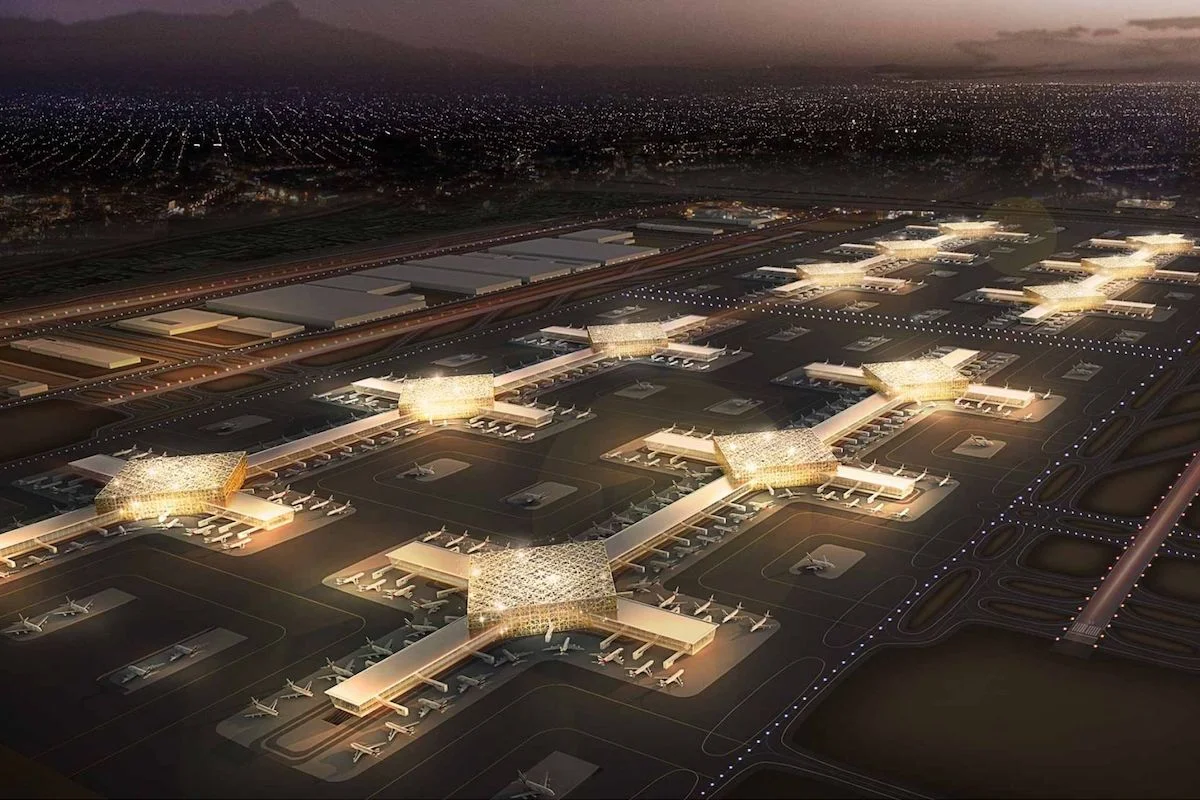
The first phase will establish substantial new terminal and aviation infrastructure. The wider master plan includes five parallel runways and more than 430 aircraft stands.
The completed airport will feature two terminals and seven concourses. These facilities will support the planned long-term passenger and cargo capacity.
Dubai Airports says the airport will initially reach 150 million passengers annually within the next decade. Capacity will eventually rise to 260 million passengers annually.
The airport will also process approximately 12 million tones of cargo annually. This capacity will strengthen Dubai’s position as a global aviation and logistics center.
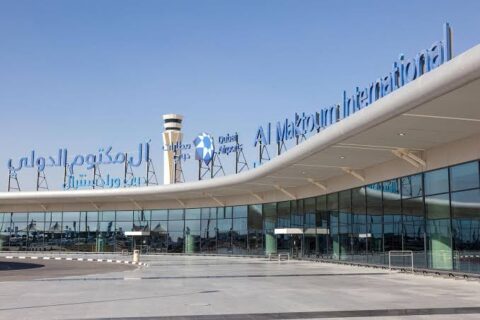
Dubai World Central Airport construction gains momentum
The current construction push marks a major change from the position reported in the original Construction Review article. That article described the expansion as stalled after 2018, with stakeholders awaiting renewed activity.
The project has now entered implementation under an accelerated development program. Authorities expect the first phase to begin operations in 2032.
The new airport infrastructure will support passenger operations, cargo handling and aircraft movements. It will also integrate with Dubai’s wider transport and logistics network.
The development forms part of Dubai’s long-term economic strategy. Authorities expect the airport to support tourism, trade, logistics and international investment.
Meanwhile, Dubai Airports expects the emirate’s airports to handle about 70 million passengers during 2026. The latest forecast reflects slower traffic recovery than previously expected.
Nevertheless, Dubai Airports expects the earlier passenger target to be reached by 2027. This continued demand strengthens the case for transferring future growth toward Al Maktoum International.
The scale of Dubai’s aviation program also mirrors wider Gulf investment in strategic aviation infrastructure. Saudi Arabia, for example, continues expanding military aviation facilities through the King Saud Air Base development.
That project involves buildings, roads, utilities, power infrastructure and fiber-optic communications. The Saudi program therefore provides another example of major aviation infrastructure investment across the Gulf.
Dubai World Central Airport ultimately targets a much larger commercial aviation role. Its construction program will reshape Dubai’s aviation infrastructure for decades.
The 2032 milestone will therefore represent only the beginning of a much larger development program.
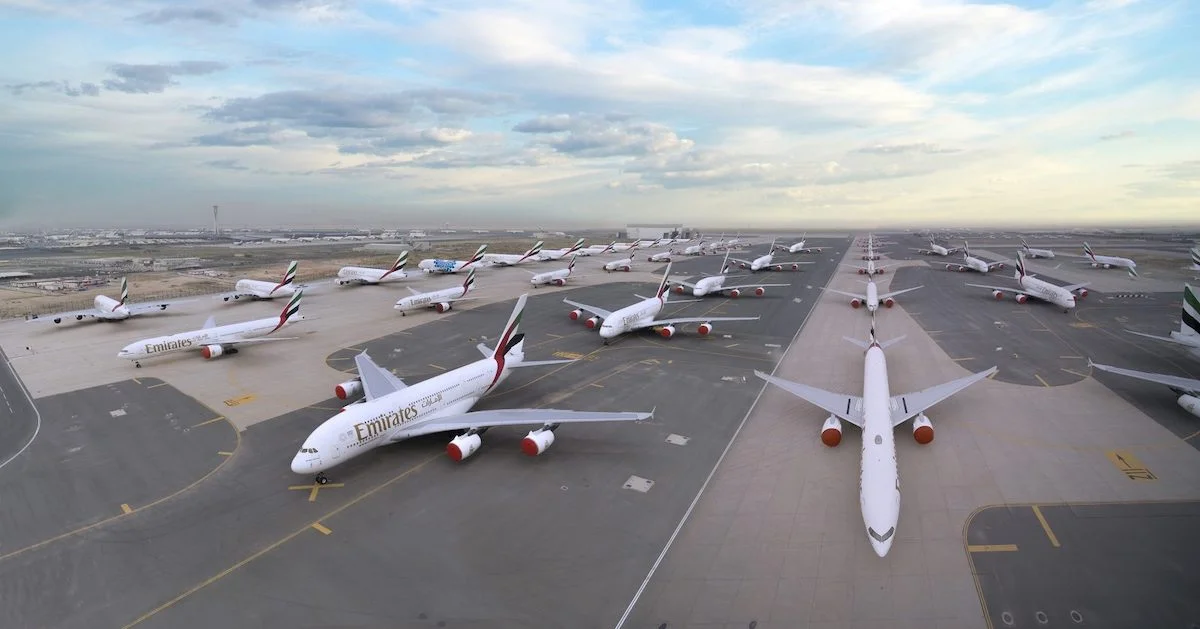
Dubai World Central Airport Expansion Project Challenges
The expansion project on the Dubai World Central Airport has stalled since 2018 and this is one of the major challenges in the project. Reports from the media in the Emirates suggest that the commencement of the expansion project is a viable option soon. If the project resumes as anticipated, the airport will have the capacity to accommodate 130 million passengers annually by 2030. The scope of the project will also enable the airport to hold 255 million passengers annually by 2050. Official talks on the project are ongoing and stakeholders were told to be on standby. The rebound of the Dubai International Airport fuels the rejuvenation of the expansion plans. The airport surpassed the traffic targets set for the last two years and is expected to acquire even more passengers.
Dubai World Central Airport Passenger Terminal Expansion
One of the phases of the project was the passenger terminal expansion launched in 2016 and was completed in 2018. The terminal boosted the Dubai World Central Airport capacity from five million to 26.5 million passengers per year. The terminal capacity expanded from 711,569ft2 to 1.57 million square feet and added new facilities to the arrival and departure terminals. Expansions in the departure area include commercial zones and offices. It also includes a new check-in hall with 64 counters. It also encompassed an additional ten counters for business class passengers. A new immigration hall with 55 border control counters is constructed for visa and passenger utilities.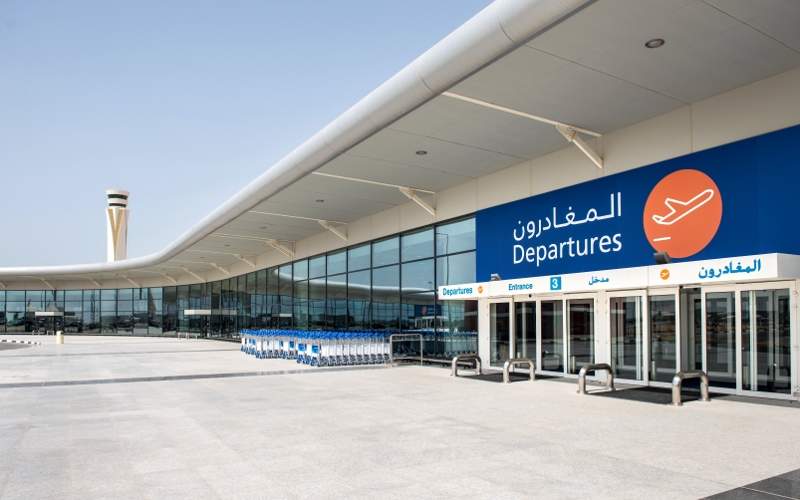
Contracted Companies
The Dubai World Central Airport client company is the Dubai Aviation Engineering Projects (DAEP) and it offered subcontracts to various companies. The construction contract for the passenger terminal expansion has been awarded to Al Jaber LEGT Engineering & Contracting (ALEC). This is a local company based in the UAE. The design of the expansion project was mandated by Leslie Jones Architecture. ALEC subcontracted AE Arma-Elektropanç to perform all mechanical, electrical, and plumbing (MEP) works for the passenger terminal building expansion. These contracted companies are on standby as they anticipate the Dubai Work Central Airport expansion project to continue.
Project Fact Sheet
Project: Dubai World Central Airport expansion
Airport name: Al Maktoum International Airport
Location: Dubai South, Dubai, United Arab Emirates
Development value: AED128 billion
Current status: Large-scale construction
Phase 1 target: 2032
Ultimate passenger capacity: 260 million passengers annually
Ultimate cargo capacity: 12 million tonnes annually
Initial future capacity: 150 million passengers annually
Runways: Five parallel runways
Aircraft stands: More than 430
Terminal configuration: Two terminals
Concourse configuration: Seven concourses
Strategic purpose: Dubai’s future primary aviation hub
Existing airport transition: Gradual transfer from Dubai International Airport
Client/developer: Dubai Aviation Engineering Projects
Airport operator: Dubai Airports
Main development objective: Expand Dubai’s aviation, logistics and trade capacity
Project Team
Developer: Dubai Aviation Engineering Projects
Airport operator: Dubai Airports
Government authority: Government of Dubai
Aviation authority: Dubai Civil Aviation Authority
Passenger terminal contractor: ALEC
Passenger terminal designer: Leslie Jones Architecture
MEP contractor: AE Arma-Elektropanç
Phase 1 construction contractors: Multiple packages being awarded
Strategic infrastructure contractors: To be confirmed through ongoing procurement
Project location: Dubai South, United Arab Emirates
Long-term operational role: Future primary airport serving Dubai
Also read:
Dubai Issues 1.2B Wasl Island Project; Largest Construction Contract in Dubai Since 2017
2.8 GW World’s Largest Solar Energy Park Takes Shape in Dubai
New Metro Blue Line Project In Dubai Takes Shape as RTA Seeks Contractors
$4.9B Metro Project Approved by Dubai’s Ruler
EGA Breaks Ground for Construction of UAE’s Largest Aluminum Recycling Plant