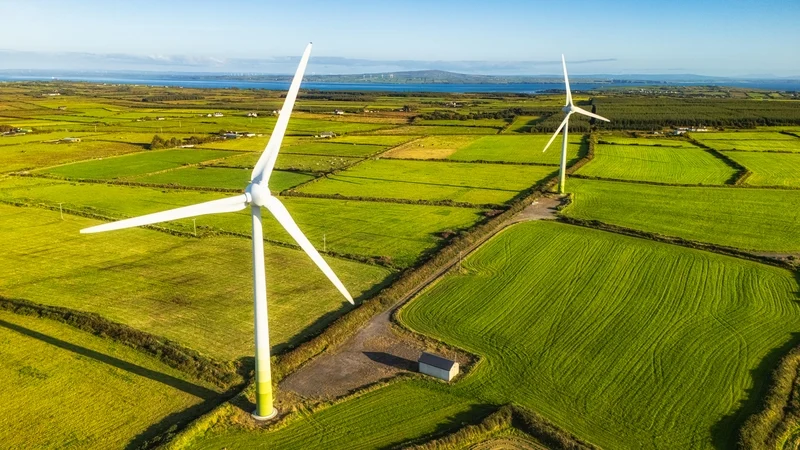
The Rathrush Green Energy Project in Carlow represents a €2 billion long-duration energy storage development designed to strengthen Ireland’s electricity system. Net Zero Energy (NZE) is developing the facility near Tullow in the Rathoe area to convert surplus renewable electricity into stored hydrogen.
The project uses hydrolysis to separate hydrogen from wastewater using excess wind and solar energy that would otherwise be curtailed. Additionally, it stores hydrogen underground in engineered granite rock caverns and later converts it back into electricity using gas turbines. Therefore, the development supports grid stability, energy security, and renewable integration at national scale. The project aims to transform wasted renewable energy into dispatchable clean power.
Rathrush Green Energy Project delivers hydrogen-based long-duration storage system
Rathrush Green Energy Project converts surplus renewable electricity into hydrogen through electrolysis powered by grid oversupply conditions. Furthermore, the system addresses growing renewable curtailment caused by limited grid capacity and low demand periods.
NZE then compresses the hydrogen and stores it deep underground in lined rock caverns within granite formations. When electricity demand rises, operators release hydrogen to fuel a gas turbine power plant above ground. Consequently, the system generates reliable electricity that can be dispatched when wind and solar output falls.
Additionally, this process replaces fossil fuel peaking plants with low-carbon hydrogen generation. The project therefore strengthens Ireland’s transition toward a fully decarbonised power system. Meanwhile, engineers integrate the system into national transmission infrastructure for real-time grid balancing.
Importantly, the design allows large-scale energy shifting over extended periods compared to conventional batteries. Thus, the project provides a structural solution to renewable intermittency challenges.
Rathrush Green Energy Project achieves 600MW capacity and national grid impact
Rathrush Green Energy Project delivers a planned 600MW peak output capacity for up to 70 hours. Moreover, this output can supply approximately 10 percent of Ireland’s peak electricity demand. It can also serve demand equivalent to multiple counties including Carlow, Kilkenny, Laois, and Wexford.
Additionally, the storage system holds about 30 times more energy than Turlough Hill. It also generates roughly seven times the capacity of Ardnacrusha hydropower station. Therefore, the project represents a major upgrade in Ireland’s energy storage infrastructure.
Importantly, it enables renewable energy to be stored and reused rather than wasted. Consequently, grid operators gain improved flexibility during peak consumption periods. Furthermore, the system reduces reliance on imported fossil fuels during energy shortages.
Rathrush Green Energy Project supports emissions reduction, jobs, and development timeline
Rathrush Green Energy Project reduces carbon emissions by an estimated 180,000 tonnes annually. Additionally, this reduction equals removing around 40,000 cars from Irish roads. During construction, the project will support up to 1,500 jobs at peak activity. After completion, it will create around 70 long-term skilled operational roles.
Moreover, NZE plans extensive community consultation before submitting a planning application. The company expects to lodge the application by the end of the year. However, approvals depend on environmental assessments and regulatory review processes.
Therefore, construction timelines remain subject to planning and financing decisions. Chief Executive Peter Harte states the project improves energy security and reduces wasted renewable power. Chairman Tim Cowhig emphasizes reduced fossil fuel imports and improved national independence. Consequently, the development positions Ireland for stronger energy resilience and climate progress.
The Rathrush Green Energy Project in County Carlow reflects a broader global shift toward large-scale hydrogen-based energy storage systems. Similarly, the UK is advancing its own hydrogen infrastructure, including the planned largest blue hydrogen plant in the United Kingdom under development at the Stanlow Manufacturing Complex in Ellesmere Port. That project, like Rathrush, focuses on converting gas or energy inputs into hydrogen for industrial-scale power generation and grid support.
Moreover, both developments highlight how energy operators are scaling hydrogen capacity to address renewable intermittency and strengthen grid reliability. While Rathrush focuses on green hydrogen production using surplus wind and solar electricity, the UK project demonstrates how hydrogen remains central to decarbonisation strategies across different production pathways. Consequently, these projects collectively underline hydrogen’s expanding role in Europe’s transition toward flexible, low-carbon power systems.

Leave a Reply