The Stanlow Hydrogen Power Project in Ellesmere Port, Cheshire, UK is advancing as a multi-billion-pound energy transition development led by EET Fuels. The scheme forms part of the wider Stanlow Manufacturing Complex transformation into a low-carbon industrial energy hub. Moreover, the project focuses on hydrogen-powered electricity generation to support industrial decarbonisation and grid stability.
Essar-linked EET Fuels is driving the development within the Stanlow refining and energy cluster. Additionally, the initiative aligns with the UK’s broader hydrogen infrastructure expansion strategy. Consequently, the project positions Stanlow as a central node in Britain’s industrial energy transition.
Stanlow Hydrogen Power Project supports industrial decarbonisation and hydrogen-ready infrastructure
Stanlow Hydrogen Power Project development integrates hydrogen-ready combined heat and power systems into the existing refinery complex. Furthermore, the project supports a shift away from natural gas and carbon-intensive refinery fuel sources.
EET Fuels plans to use hydrogen as a primary fuel for low-carbon electricity generation within the site. In addition, the system is designed to provide flexible power for refinery operations and surrounding industrial users. Therefore, the development strengthens industrial energy resilience while reducing emissions across the cluster.
Moreover, the project builds on earlier investments targeting decarbonisation and refinery modernization. Consequently, Stanlow evolves into a hybrid energy and fuels hub combining refining and clean power generation. This approach supports long-term operational sustainability for one of the UK’s largest refining sites.
Stanlow Hydrogen Power Project aligns with UK energy security and transition goals
Stanlow Hydrogen Power Project contributes to the UK’s strategy for scaling low-carbon hydrogen production and use. Moreover, it enhances energy security by diversifying fuel sources away from imported hydrocarbons. The site already benefits from extensive infrastructure, including pipelines and national fuel distribution networks.
Additionally, hydrogen integration allows the refinery to reduce reliance on conventional fossil fuel inputs. The project supports regional industrial clusters linked to the HyNet decarbonisation corridor in northwest England. Furthermore, it strengthens Ellesmere Port’s role as a strategic energy transition zone.
Consequently, the development helps stabilize long-term fuel supply for transport and industrial markets. However, final commissioning timelines remain dependent on financing, regulatory approval, and engineering completion. Therefore, the project continues progressing through phased development aligned with UK hydrogen policy frameworks.
Stanlow Hydrogen Power Project progresses toward hydrogen-ready operations
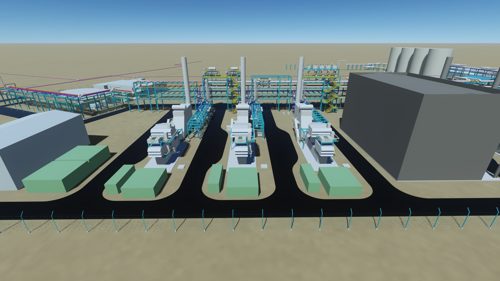
As of 2026, the Stanlow Hydrogen Power Project remains in active development within the broader Essar Energy Transition programme. Engineering and planning work continues on hydrogen-ready combined heat and power systems at the Stanlow site. Moreover, EET Fuels advances decarbonisation investments targeting large-scale emissions reductions at the refinery complex.
The company has already committed significant capital toward hydrogen integration and industrial carbon reduction infrastructure. Additionally, construction planning aligns with a phased rollout of low-carbon technologies across the refinery.
Consequently, the project is transitioning from concept and early engineering into implementation readiness stages. However, full operational hydrogen power deployment still depends on final infrastructure buildout and regulatory clearance. Therefore, the 2026 outlook indicates steady progress but not full completion of hydrogen generation capacity.
The Stanlow Hydrogen Power Project reflects a wider European trend toward hydrogen-based energy storage and generation systems. Similarly, Ireland’s €2 billion Rathrush Green Energy Project in County Carlow focuses on hydrogen production and long-duration storage using renewable electricity.
That project converts surplus wind and solar power into hydrogen stored underground for later electricity generation. Both developments demonstrate how hydrogen is emerging as a key solution for grid flexibility and decarbonisation. Consequently, Stanlow and Rathrush represent parallel pathways in industrial and renewable hydrogen deployment across Europe.
Project team
Essar Energy Transition (EET), a joint venture between Essar Oil UK, a refining giant, and Progressive Energy, a hydrogen specialist, is the project developer. It has pledged to spend $1bn on the first phase of the plant. Additionally, it hopes to ramp up to 4GW by 2030. Late last year, KBR was awarded the front-end engineering design (FEED) contract for the project. Local companies including Essar, Tata Chemicals, Kellogg’s, Unilever, Encirc and Pilkington will be the customers of the produced hydrogen.
Details on the largest blue hydrogen plant in the UK
By using the hydrogen to displace fossil fuels in manufacturing and industrial processes, some 2.5 million tons of CO2e emissions can be mitigated each year, according to EET. The two plants will be capable of converting natural gas and fuel gasses from the existing Stanlow Refinery into hydrogen. A proportion of the process emissions will be addressed with carbon capture technologies.
Construction is expected to take no less than 3 years. First production set for 2027 from the first plant. The project marks a key pillar of the HyNet industrial decarbonization cluster. EET Hydrogen is aiming to capture up to 97 per cent of the CO2 from the process, according to planning documents. The captured hydrogen then be stored permanently in depleted gas fields under Liverpool Bay.
Also Read: Lhyfe commsions 5 MW hydrogen plant in France
HyNet Northwest has been selected by the UK government as one of its two priority industrial decarbonization cluster for projects it is supporting as part of its broader ambition to use CCS technology to capture and store 20 to 30 million tons of CO2 per year by 2030. Italian oil giant Eni’s carbon transport and subsea sequestration facilities in the Irish Sea is the second project. In addition, other smaller CCUS providers, who have until March 2024 to apply to join the cluster.
The H2M Eemshaven low-carbon hydrogen project
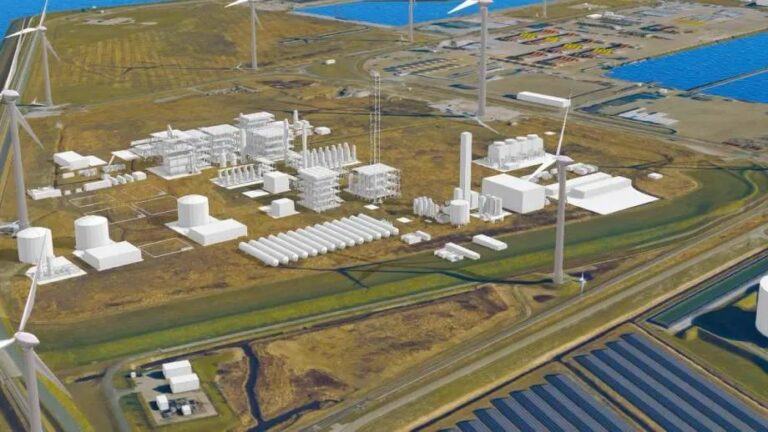
This week, Equinor, a Norwegian energy giant also signed a project development agreement with Linde, a global industrial gases and engineering company to work as partners on the H2M Eemshaven low-carbon hydrogen project in the Netherlands. The 1GW blue hydrogen project is expected to produce nearly 210,000 tons of blue hydrogen made with fossil gas per year. Production is scheduled to begin in 2028 with gas for the scheme to be sourced from Norway.
Also Read
Hydrogen Park Gladstone Construction Begins
$4 Billion Egypt’s Green Hydrogen Project Takes Shape
Lhyfe commsions 5 MW hydrogen plant in France
Project Fact Sheet
Project Name: Stanlow Hydrogen Power Project
Location: Ellesmere Port, Cheshire, United Kingdom
Developer: EET Fuels (Essar Energy Transition division)
Parent Group: Essar Energy / Stanlow Manufacturing Complex
Sector: Industrial hydrogen power and refinery decarbonisation
Technology: Hydrogen-ready combined heat and power (CHP) systems
Fuel Source: Hydrogen integrated with refinery energy systems
Primary Use: Electricity generation and industrial energy supply
Site Integration: Part of Stanlow refining and energy complex
Strategic Cluster: HyNet North West industrial decarbonisation corridor
Status (2026): Active development and phased engineering stage
Objective: Reduce refinery emissions and enable low-carbon operations
Energy Role: Industrial power supply and grid-supporting generation
Investment Type: Multi-billion-pound phased energy transition programme
Project Team
Developer: EET Fuels (Essar Energy Transition division)
Parent Company: Essar Energy / Stanlow Manufacturing Complex operator
Site Operator: EET Fuels refinery and industrial energy team
Engineering Lead: Internal EPC and hydrogen systems engineering division
Technology Partner Network: Industrial hydrogen and CHP equipment suppliers (to be confirmed per phase)
Grid Integration Partners: UK electricity transmission and industrial energy networks
Decarbonisation Cluster: HyNet North West consortium stakeholders
Regulatory Authorities: UK energy and environmental regulatory bodies
Construction Contractors: To be appointed across phased development packages
Environmental Consultants: Industrial emissions and hydrogen safety assessment teams
Financial Advisors: Essar Energy Transition investment and infrastructure financing units
Project Governance: Senior executive leadership within EET Fuels and Essar Energy Transition Board