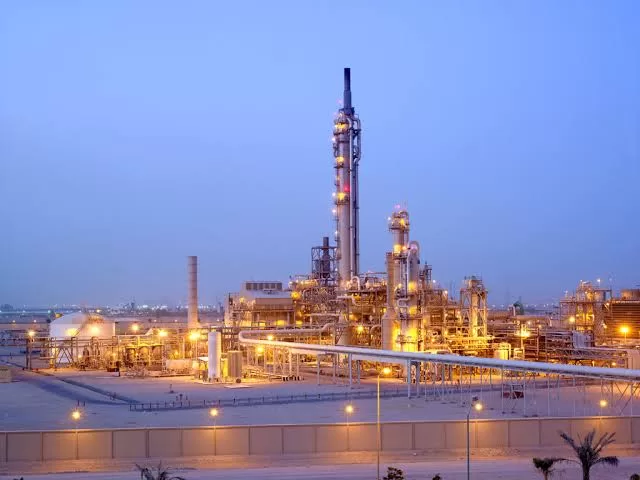
The Ras Shukeir Green Hydrogen and Ammonia Facility project in Egypt continues in the early development phase following the signing of a $7.68 billion agreement in April 2025. The project focuses on developing a large-scale green hydrogen and ammonia production complex along the Red Sea coast. It supports Egypt’s strategy to expand renewable energy use and position itself as a global hub for low-carbon fuel exports.
The agreement was signed during the official visit of French President Emmanuel Macron to Egypt. Since then, however, stakeholders have not announced major milestones such as a Final Investment Decision (FID) or construction start. As of 2026, developers are still advancing early-stage planning, including technical studies, regulatory coordination, and project structuring activities.
Moreover, Egypt continues to advance parallel hydrogen initiatives at different stages. For instance, the 500MW Mediterranean Green Hydrogen Hub construction in Alexandria moves into feasibility stage shows how newer projects are progressing through feasibility assessments. In contrast, the Ras Shukeir facility remains a flagship project but has yet to transition into detailed engineering or procurement phases.
Ras Shukeir Green Hydrogen and Ammonia Facility Project Scope and Development Framework
The Ras Shukeir Green Hydrogen and Ammonia Facility project targets production of up to 1 million tons of green ammonia annually, delivered in three development phases. Phase one includes an estimated €2 billion investment and aims to produce 300,000 tons per year, with initial production previously targeted for 2029.
Developers plan to power the facility using renewable energy sources, including solar and wind. These systems will supply electricity for electrolysis processes that generate green hydrogen, which will then be converted into ammonia for export and industrial use.
Importantly, the project is structured as a fully privately financed initiative, reducing reliance on direct government funding. This financing model depends on securing long-term offtake agreements, regulatory approvals, and favorable market conditions before progressing to construction.
Ras Shukeir Green Hydrogen and Ammonia Facility Current Status and Construction Outlook
Currently, the project remains in the pre-construction stage, with no confirmed timeline for engineering, procurement, or construction (EPC) activities. Although it remains a strategic priority, visible progress has been limited over the past year.
However, stakeholders continue to position the project within Egypt’s broader hydrogen roadmap. Authorities are aligning infrastructure planning, port logistics, and renewable energy capacity to support future large-scale hydrogen developments. Consequently, Ras Shukeir remains a long-term anchor project despite slower near-term progress.
Looking ahead, movement toward a Final Investment Decision will depend on feasibility outcomes, financing arrangements, and global hydrogen demand. Once these factors align, the project could transition into execution, triggering major construction and infrastructure development activities.
Also read: Egypt to get USD1 Billion green hydrogen plant
Also read: $1 Billion Egypt’s Hydrogen-Powered Skyscraper to be Constructed in the Country’s New Capital
Details of the Agreement
According to the agreement, the two countries will develop, finance, construct, and conduct the operations of a comprehensive facility that is located near Ras Shokair on the western shore of the Gulf of Suez in eastern Egypt for the production of green hydrogen and its derivatives. This is inclusive of green ammonia. This was reported by Anadolu Agency (AA) reported the information while citing the statement by Egyptian Ministry of Trade.
This agreement was signed between the Red Sea Ports Authority and the New and Renewable Energy Authority. Furthermore it was in partnership with the Green Fuel Alliance, which also includes the French giant company EDF Renewables and the Egyptian-Emirati company Zero Waste.
Also read: $1.65 Billion Egypt’s Xinfeng Integrated Metallurgical Complex Agreement Signed
Capacity of the Project
As for its capacity, it will have a total production capacity of 1 million tons annually. Additionally, the three phases of the ambitious project will cost a whooping 7 billion euros ($7.68 billion).
Macron arrived in Cairo on Sunday for a three-day visit. The visit was intended for discussions with Egyptian officials on bilateral ties and regional developments. Also, his trip in Egypt began with a tour of the Grand Egyptian Museum in western Cairo and a walk through its historic streets, especially the Khan el-Khalili Bazaar.
Also read: Egypt’s 650MW GOS II Wind Farm Project Complete, with EWA Group Playing Crucial Logistics Role
Project Fact Sheet
Project name: Ras Shukeir Green Hydrogen and Ammonia Facility – Egypt
Value: $7.68 billion
Location: Ras Shukeir (Ras Shokair), Red Sea coast, Gulf of Suez, Egypt
Type: Green hydrogen and green ammonia production facility
Capacity target: Up to 1 million tons/year of green ammonia
Phase 1: €2 billion investment for 300,000 tons/year
Energy source: Renewable energy (solar and wind)
Current status (2026): Early development / pre-construction
Construction start: Not yet announced
Production target (Phase 1): Around 2029 (subject to FID)
Financing model: Fully privately financed
Project Team
Project owners / sponsors:
- EDF Renewables
- Zero Waste
Government and institutional partners:
- Red Sea Ports Authority
- New and Renewable Energy Authority
- Egyptian Ministry of Petroleum and Mineral Resources
Contractors (status): EPC contractors not yet appointed (pending FID and detailed engineering)
Sub-contractors (expected):
- Renewable energy developers (solar and wind)
- Hydrogen technology providers (electrolyzers and ammonia systems)
- Civil works and marine infrastructure contractors
Financiers:
- Private sector consortium financing (led by project sponsors)
- Potential involvement of international lenders and export credit agencies
Advisors:
- Technical and engineering consultants
- Environmental and social impact advisors
- Legal and regulatory consultants

Leave a Reply