The Wrong Debate Is Making Headlines
Global conversation about the 21st century energy transition is fixated on the wrong headline. Politicians argue about renewables versus fossil fuels. Commentators debate climate targets. Analysts obsess over technology costs. Yet none of these factors ultimately determine what gets built.
The real headline is far less visible and far more decisive: infrastructure capital. Not innovation, not ambition, and not even policy. Money, specifically who finances grids, transmission, storage, and interconnection.
Until we shift the discussion from megawatts to money, we will keep confusing project announcements for progress.
Solar Panels Don’t Fail; Systems Do
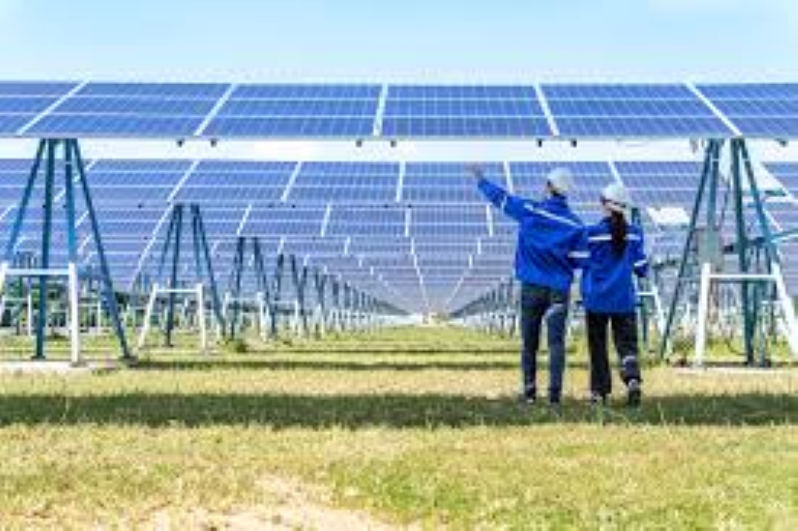
Solar is cheap, wind is scalable, and battery energy storage system (BESS) technologies work. From a technical standpoint, renewables deployment and most importantly, execution, should be accelerating faster than it is.
Projects aren’t stalling because turbines malfunction. They’re stalling because transmission lines aren’t approved, substations aren’t financed, and grid expansions aren’t funded.
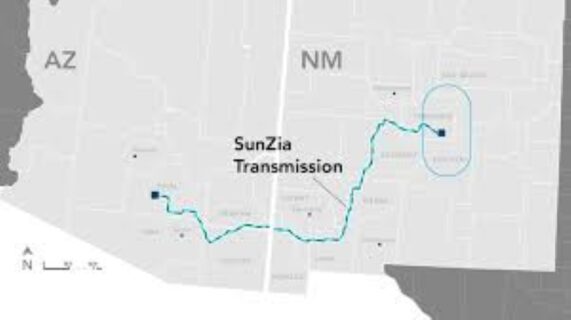
Consider the 11 billion dollars SunZia Transmission Line in the United States. It is a massive 550-mile transmission corridor designed to carry renewable power across state lines from New Mexico to Arizona and California. Construction began in 2023 and is scheduled to end in the first half of this year – this is after the project was approved by the Arizona Corporation Commission in 2016. The wind projects it will serve are technically ready and so are the resources needed for its construction. What determined the timeline was not engineering, but years of permitting, land negotiations, financing and legal challenges. Bottomline: generation wasn’t the constraint, deliverability was.
Capital Allocation Is the New Energy Transition Policy
Governments still speak as if legislation determines how fast projects get deployed. In reality, investment committees run the show.
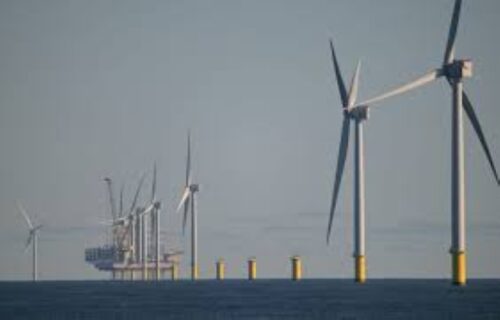
Take the Dogger Bank wind farm in the United Kingdom as an example. It is the largest offshore wind development on Earth. The turbines were never the constraint. What made the project possible was a massive, multi-layered financing structure involving global investors willing to fund infrastructure
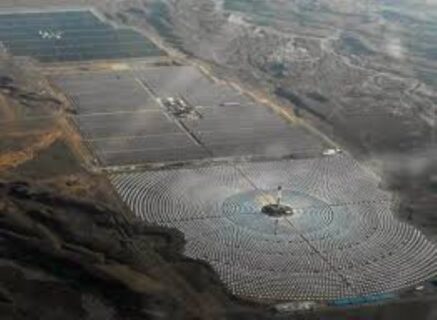
Similarly, Morocco’s 9 billion dollars Noor Ouarzazate solar complex also shows the same playbook. What enabled one of the world’s largest solar installations was a multilayered financing structure involving development banks, and sovereign backing. The funding has also been termed preferential, hence a pointer toward the accelerated development spanning only 3 years since construction start in 2013. Big financial faces were involved in the project, including the World Bank, the European Investment Bank, African Development Bank, and the Clean Technology Fund.
The lesson cannot be stressed enough: resources give you the potential, but capital creates the reality. Another way to look at it will be from the investors POV, in the sense that they don’t fund aspirations and potentials – the latter is especially abused in project announcements, they fund risk-adjusted returns. What does all this point to? Capital allocation and how it is quietly becoming the energy policy.
One of America’s Largest Solar Installations: Valued at $1.2 Billion
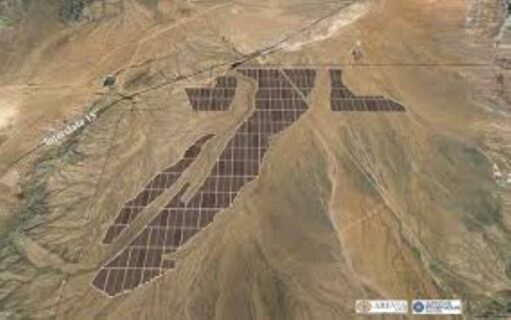
Gemini solar project in Nevada is another project that tells the story of energy transition financing rather clearly. As one of the largest solar-plus-storage developments in the United States, Gemini was not constrained by engineering technicalities or the availability of resources. Its main problem was financial structure. This span securing multi-billion-dollar backing, pocketing long-term power purchase agreements, and getting federal loan support. Only when the banks, investors and grid regulators get to be on one page did steel actually reach the ground. The implications of this are profound. When speaking only for the West, how fast projects get deployed is not determined by how quickly technology improves, but by how quickly financing structures mature.
Hidden Power Brokers of the Century’s Energy Transition
This might not come as a surprise to many, but the public must imagine that energy systems and the overhaul being witnessed is shaped by ministers and presidents. This is quite the opposite behind closed cabinet doors. The decisive actors driving one of the most consequential transitions of the century are lenders, infrastructure funds, export credit agencies, and investors.
Their decisions determine which countries receive grid upgrades, which markets scale renewables, and which remain stuck with stranded projects. On the flip side of this coin of information is that a press-release from the minister’s office – or the president’s, may make is seem as if it is their directive. Leaders must lead, but by example they will not.
China understood this early. Its Zhangbei HVDC Grid covered hundreds of kilometers before generation designed to use it fully scaled. The approach was head-on; transmission came first then capacity followed.

Take a look at the United Kingdom and Denmark. They are building the future grid before they build the power plants. A good example of this is the Viking Link interconnector between the two countries, designed to transmit electricity across borders to balance supply and demand between markets. The same approach is also seen here.
This sequencing is the opposite of how most countries build, and it largely explains why some systems expand rapidly while others stall despite having very ambitious targets.
Storage Proves the Point
Nothing exposes the importance of infrastructure more clearly than storage. Batteries and pumped hydro are often described as technologies, while in reality they behave economically like railways or pipelines. They are capital-intensive, long-lived assets requiring complex financing.
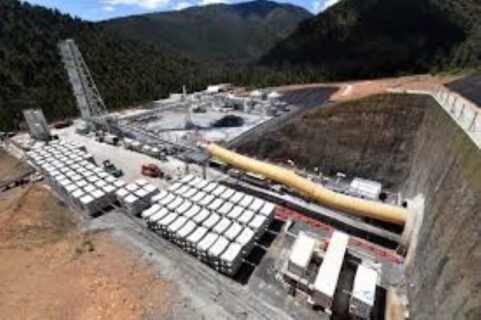
Australia’s Snowy 2.0 expansion is a good example of this. The engineering challenge is immense, but the defining issue has been cost and the strain on funding. The project’s viability, more or less, hinges on financing than anything else.
Bottomline: storage doesn’t scale because it exists, it scales because someone funds it.
Why This Changes the Global Power Map
Countries that will dominate the next energy era will simply not be those with the best resources or the cheapest technology, but those who attract infrastructure capital for the transition.
This also means checks on regulation, the bankability of the projects and how fast they can go through the permitting process without unnecessary hiccups.
Additionally, countries that fail this test won’t just fall behind in clean power, they will also fall behind geopolitically and maybe economically. This is because energy infrastructure largely determines a country’s industrial capacity, and the latter gives a great deal of global influence.
Stop Counting Megawatts and Start Tracking Money
We should be asking different questions. Not, how much renewable capacity was announced? But how much infrastructure financing closed? Not, how many projects were approved? But how many reached financial close?”
Why the different questions? Because steel in the ground follows capital, not speeches.
The Real Energy Transition Has Already Begun
Energy transition is not waiting on technological breakthroughs or political consensus, for the ball is already rolling. The transition is getting on quietly inside rooms where financing negotiations, risk, and funds are being discussed. It is in these rooms and not climate summits where the future grid is being decided.
Until public conversation catches up, we will keep celebrating project plans but still left to wonder why the system hasn’t changed.
What am I getting at here? It is simple and uncomfortable: energy transition isn’t about energy, it is about who controls the capital that builds the system.
Leave a Reply