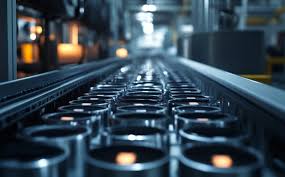
Geotechnical drills are now turning on the shores of Lake Erie, marking a critical physical milestone for a project set to reshape Northeast Ohio’s industrial footprint. Following a newly finalized engineering design contract, Graphite One is advancing its proposed Active Anode Materials (AAM) facility in Conneaut.
The project represents a massive structural undertaking. It bridges immediate local civil engineering needs with high-stakes regional infrastructure and national manufacturing priorities. From specialized heavy industrial foundations to federal supply chain initiatives, the development of this facility signals a major shift in the region’s economic landscape.
The Phased Construction Timeline
Rather than breaking ground on the full $607 million complex all at once, the development of the Conneaut facility relies on a strategic, phased construction rollout. This approach allows the project to generate early operational momentum while managing massive capital outlays.
The build-out is divided into two distinct capital phases:
- Phase 1: The Finishing and Blending Plant (Target: Late 2027): The immediate construction focus centers on a targeted $73 million investment. This initial phase will establish a 10,000-tonne-per-year finishing, blending, and packaging facility. By bypassing the immediate need for heavy graphitization infrastructure, it allows for a faster permitting and civil construction window, aiming for mechanical completion by the fourth quarter of 2027.
- Phase 2: Full-Scale Graphitization and Purification (Target: 2028 and Beyond): Once early finishing lines are stable, construction will scale up to the primary $607 million design module outlined in the Bankable Feasibility Study. This massive civil engineering phase will introduce specialized thermal lines, lifting total site capacity to the targeted 25,000 tonnes of synthetic graphite per year.
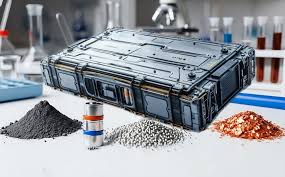
The Ultimate Civil Challenge: Framing for 3,000°C Temperatures
The core engineering challenge of the Conneaut facility lies within its graphitization hall. Inside this building, specialized furnaces must operate continuously at temperatures exceeding 3,000°C—hotter than the melting point of most industrial metals.
Designing a building to safely contain this level of heat requires highly specialized structural engineering. Civil contractors must install complex, multi-layered refractory linings and advanced cooling systems to protect the building’s structural steel frame from thermal degradation. Furthermore, because the furnaces operate under immense thermal expansion and contraction cycles, the concrete foundation slabs must be poured using specialized aggregates and reinforcement configurations to prevent cracking under intense thermal stress.
Geotechnical Drilling: Mapping the Subsurface for Heavy Machinery
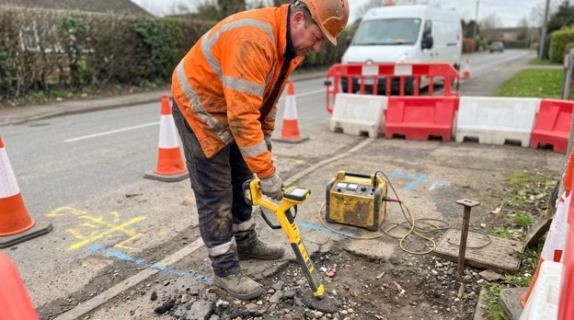
Before any steel can be erected, civil engineers must understand the dirt beneath the site. Graphite One’s current on-site activity focuses heavily on geotechnical core drilling.
Synthetic graphite manufacturing involves massive, vibrating machinery, heavy overhead cranes, and multi-tonne furnace cells. Standard foundations will sink or shift over time. Drills are currently boring deep into the Conneaut soil to determine the exact depth of the bedrock. This data allows engineers to design deep pile foundations and heavy friction piers. Ensuring the plant’s high-tolerance machinery remains perfectly level during decades of continuous operation.
High-Voltage Logistics: Interfacing with the Electrical Grid
Beyond the heat, the facility’s power consumption presents a major infrastructure puzzle. Operating massive thermal furnaces requires immense, uninterrupted electrical current.
Constructing a standalone plant from scratch would typically break a regional utility budget. The engineering team selected the Conneaut site specifically to tap into existing high-capacity electrical transmission corridors. The current design phase focuses heavily on building a dedicated high-voltage substation on-site, integrating heavy transformer yards that can step down regional grid power into the high-amperage current required by the graphitization lines without straining residential utility reliability.
Material Flow Engineering: Heavy Rail and Deep-Water Logistics
The choice of the Conneaut site highlights a critical trend in modern industrial engineering: retrofitting heavily industrialized locations to save on upfront capital. Moving tens of thousands of tonnes of highly abrasive carbon materials requires an automated, ultra-durable indoor conveyor and silo network.
By integrating directly into existing CN Rail spurs and deep-water dock infrastructures, the engineering team can design automated unloading bays. This setup moves raw materials straight from cargo holds into purification systems. Eliminating double-handling, reducing airborne dust, and minimizing the need for disruptive new civil footprint developments near the lake.
The Regional and National Stakes
Nationally, the project addresses a critical vulnerability. The United States currently relies heavily on foreign imports for synthetic graphite, a material essential for advanced battery technologies.
The federal government has taken notice of the project’s strategic importance. The U.S. Export-Import Bank (EXIM) has already issued a Letter of Interest for up to $325 million in potential financing under the “Make More in America” initiative. Moving the project through the environmental assessment phase under federal coordination programs like FAST-41 ensures that local ecological standards for the Lake Erie watershed are maintained while keeping the engineering timeline on track.
Looking Ahead
As geotechnical work transitions into foundational engineering, the Conneaut facility will serve as a key benchmark for modern U.S. industrial construction. The phased rollout represents a calculated risk-mitigation strategy, ensuring local economic integration aligns smoothly with broader state and national energy goals. For Northeast Ohio, the transformation of this site marks the beginning of a highly anticipated industrial chapter.
This regional industrial push matches similar midstream infrastructure developments taking place throughout the wider Midwest grid. The ongoing physical work on Lake Erie aligns strategically with advanced manufacturing overhauls happening across state lines, including the rapid rollout of the new 16,000-ton modular rare earth and critical mineral refining campus in Marion Indiana, establishing a highly resilient and self-sustaining energy corridor across the American heartland.
Also, Graphite One’s Conneaut buildout mirrors a similar push elsewhere in the advanced materials sector. In Texas, HydroGraph USA has signed a 10-year acetylene supply agreement and land lease to build a planned graphene manufacturing facility in Bellville, targeting up to 360 tons per year of Fractal Graphene™ output. Both projects point to a broader trend of domestic manufacturers securing long-term feedstock agreements to support U.S.-based advanced materials production.
Project Factsheet: Conneaut Active Anode Facility
- Location: Conneaut, Ashtabula County, Ohio
- Total Initial Investment: $607 Million (including $121M contingency)
- Primary Infrastructure: High-temperature graphitization furnaces (>3,000°C) and automated material handling
- Logistics Network: Direct CN Rail spurs and Lake Erie deep-water port access
- Current Development Phase: On-site geotechnical core drilling and environmental baseline monitoring
- Production Milestones: Phase 1 finishing plant targeted for Q4 2027; Phase 2 full graphitization scale-up

Leave a Reply