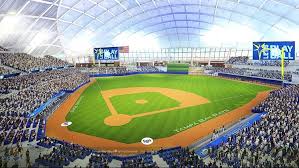
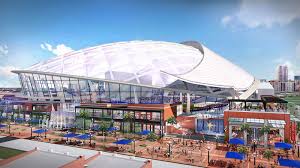
Florida officials on Feb. 24 approved a key land transfer needed to advance a proposed $2.3 billion ballpark for the Tampa Bay Rays. The approval allows 22 acres of publicly controlled land to be conveyed for development as part of a planned ballpark district that will include residential, retail, hotel and office components surrounding the new stadium. Officials are also considering modifying deed restrictions on more than 70 additional acres tied to the broader redevelopment footprint.
State leaders said the land action enables the next phase of financing and planning for the long-anticipated project, which team officials have described as critical to keeping Major League Baseball in the Tampa Bay region long term.
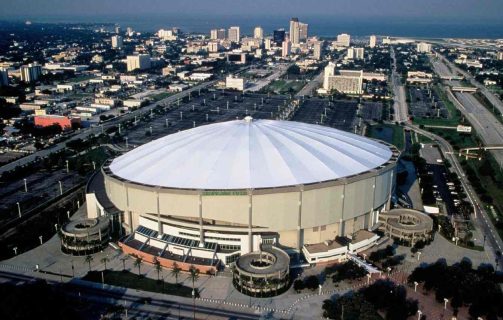
The proposed stadium, estimated to cost $2.3 billion, would replace the team’s current home and anchor a broader redevelopment effort aimed at transforming the surrounding district into a year-round destination. Project backers estimate the total investment — including private mixed-use construction — could range between $8 billion and $10 billion over multiple phases.
The Feb. 24 vote does not authorize construction but represents one of the most significant approvals to date in the multiyear effort to secure a new ballpark.
Funding and Economic Impact
Supporters argue the project will generate thousands of construction jobs and create sustained economic activity through hospitality, retail and residential growth. Officials have framed the stadium as a catalyst for revitalizing underutilized land and expanding the local tax base.
Public participation — including the land transfer — will form part of a broader financing structure alongside private investment from the team and its development partners. Lawmakers and project officials will finalize specific funding mechanisms and infrastructure cost allocations in subsequent approvals.
The Rays proposal reflects a broader national trend of franchise-led redevelopment efforts. Comparable plans include the Chicago Bears’ $5 billion proposal for a domed stadium and surrounding mixed-use development in Arlington Heights. Additionally, the Rays’ proposal joins other major stadium initiatives underway in Florida, including the Jaguars’ Stadium of the Future in Jacksonville.
Next Steps
Project leaders said additional design work, permitting and financing agreements will follow the land approval. A formal construction timeline has not yet been announced.
If completed as proposed, the development would rank among the largest sports-anchored real estate projects currently planned in the United States.
Further votes and contractual agreements are anticipated as the project moves toward potential groundbreaking.


Leave a Reply