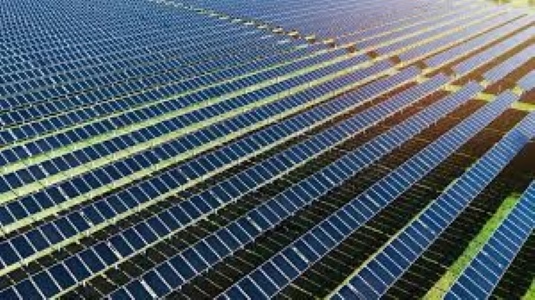
Google has entered a landmark power purchase agreement (PPA) with a consortium led by Shizen Energy in Malaysia for supply from a 30 MW solar farm under development in Kedah. The PPA will serve the tech company’s energy-intensive operations in the region, including data centers. Google’s pact in Malaysia with Shizen Energy also supports the solar power project’s commercial operations start date set for 2027. Google is also in a power supply deal with TotalEnergies from a 20 MW solar farm in Kedah.
Factsheet for Google-Shizen Malaysia Solar PPA
Offtaker: Google (Alphabet Inc.)
Developer: Shizen Malaysia, a subsidiary of Japan’s Shizen Energy Inc.
Project: 30 MW ground-mounted solar farm.
Location: Kedah state, northwest Malaysia.
Capacity: 30 MW
Operation Target: 2027
Contract Type: Long term PPA
Purpose: Supply renewable electricity to support Google’s data center and regional electricity needs. The project is also expected to provide environmental attribute credits.
Policy Impact: Part of Malaysia’s Corporate Green Power Programme.
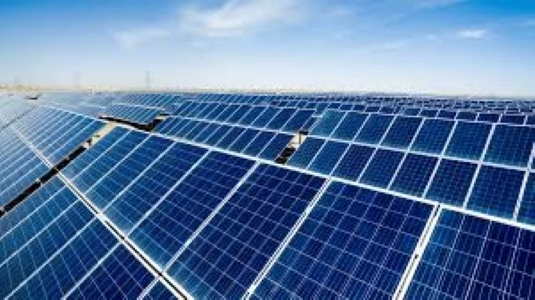
Timeline of Key Milestones
May 2024: Google and Shizen Energy sign a solar PPA in Japan for 20 MW supply. This is often seen as an earlier regional clean energy pact as part of Google’s Asia-Pacific decarbonization efforts.
2025: Malaysia expands renewable investment programmes, including Corporate Green Power to attract large corporate customers.
December 2025: Google and Shizen Malaysia sign a 30 MW solar power PPA for a project in Kedah.
Google, Shizen Energy, and Malaysia Renewables Landscape
Google has a longstanding ambition to run on 24/7 carbon-free energy in all regions it operates in by 2030. This solar power pact fits within this sustainability goal, among others that often hinge on securing long-term PPAs that can provide renewable energy supply and environmental attributes.
Installed renewable capacity also remains a minority of total generation in the Southeast Asia country, with projects such as the largest hybrid power station in Malaysia being the face of the portfolio. This also positions the country to attract investments in renewable energy projects through frameworks like the Corporate Green Power Programme and other policy incentives. What this achieves is a show of the nation’s target to expand renewable shares in its grid.
Leave a Reply