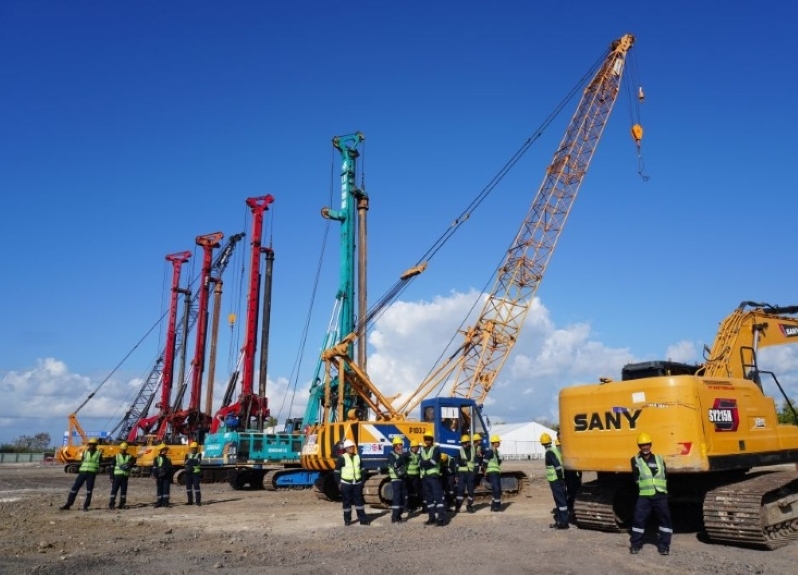
Indonesia’s sovereign wealth fund Danantara has launched construction of its first waste-to-energy (WtE) project, marking a significant step in the country’s drive to tackle mounting municipal waste while expanding renewable energy infrastructure.
First waste-to-energy project in Bali
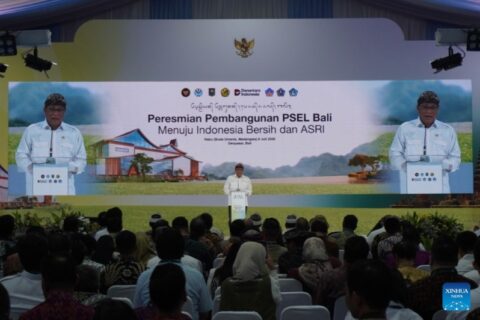
Ground was broken on the Denpasar Raya waste-to-energy plant on the resort island of Bali on July 8. The project represents Danantara’s maiden investment in the waste-to-energy sector and underscores the fund’s growing role in financing strategic green infrastructure aligned with Indonesia’s energy transition and circular economy ambitions.
The facility is designed to process more than 500,000 tons of municipal solid waste annually, substantially reducing the volume of waste sent to landfill while generating electricity for the local grid.
Capacity for Danantara waste-to-energy project in Bali
According to officials at the groundbreaking ceremony, the plant is expected to supply enough electricity to serve approximately 100,000 households. It is also expected to reduce landfill waste by up to 80%, avoid about 640,000 tons of carbon dioxide emissions each year. The waste-to-energy project will also create around 1,200 green jobs during its development and operation.
Partners
The project is being invested in and constructed by China’s Zhejiang Weiming Environment Protection Co. Ltd., with Danantara providing strategic investment backing. Bali Governor Wayan Koster also said construction is expected to take two years before the facility enters commercial operation.
Waste-to-energy projects in Indonesia
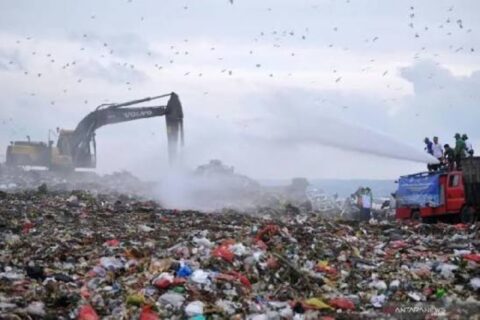
Indonesia has struggled with increasing volumes of municipal waste, particularly in tourist destinations such as Bali, where landfill capacity and marine pollution have become growing environmental concerns. The new facility forms part of broader national efforts to convert waste into an energy resource while reducing greenhouse gas emissions.
Environment Minister Mohammad Jumhur Hidayat said the Bali project would serve as a model for similar developments across Indonesia, although he noted that waste-processing technologies would need to be adapted to local conditions. While some regions may generate electricity from municipal waste, others could instead produce refuse-derived fuel (RDF) for industrial users. The project also comes as other projects such as the first commercial biomethane plant in Indonesia continue to drive the country’s renewable gas ambitions.
Indonesia Cross-border electricity project
The groundbreaking also comes just days after Danantara signed a memorandum of understanding (MoU) with Singapore’s Keppel Electric, Sembcorp Industries and Singapore Energy Interconnections to advance a cross-border electricity project. This highlights the sovereign wealth fund’s expanding portfolio of clean energy investments.
More on Indonesia’s sovereign fund Danantara
Since its establishment, Danantara has increasingly positioned itself as a strategic investment vehicle supporting Indonesia’s long-term economic development and energy transition.
The waste-to-energy project complements the country’s wider renewable energy program. The program also includes major investments in floating solar, geothermal development and regional power interconnections. These are aimed at diversifying Indonesia’s electricity mix and improving energy security.
Fact Sheet for First Waste-to-Energy Project by Danantara
Project: Denpasar Raya Waste-to-Energy Plant
Location: Denpasar in Bali
Project type: Municipal waste-to-energy facility
Status: Construction underway
Lead investor: Danantara Indonesia
Engineering/Construction: Zhejiang Weiming Environment Protection Co. Ltd.
Waste processing capacity: More than 500,000 tons of municipal waste per year
Expected electricity supply: 100,000 households
Environmental benefits:
- Up to 80% reduction in landfill waste
- 640,000 tons of CO2 emissions avoided annually
Employment: 1,200 green jobs
Expected construction period: 2 years
Strategic objective: Improve municipal waste management, support renewable electricity generation, reduce emissions and strengthen Indonesia’s circular economy.


Leave a Reply