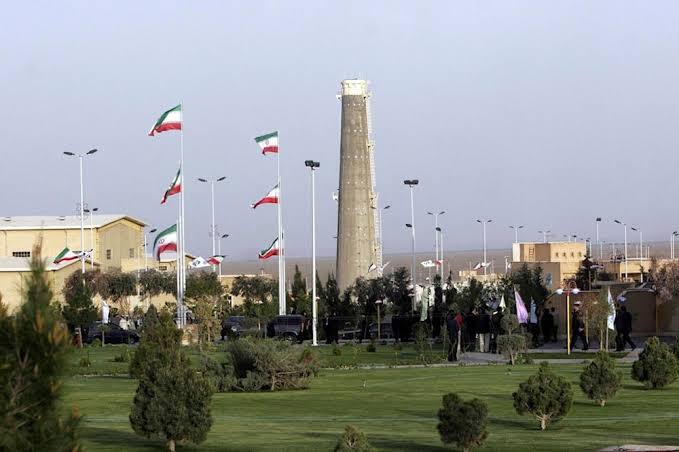
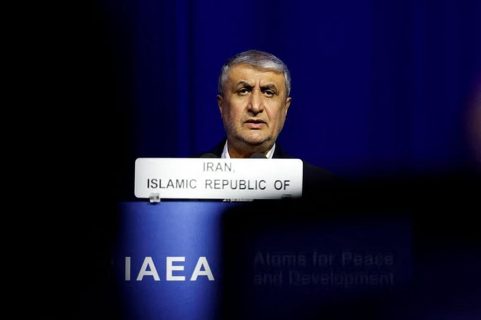
Iran is developing its first domestically built nuclear fusion reactor using entirely indigenous technology, the head of the country’s Atomic Energy Organisation (AEOI), Mohammad Eslami, revealed this on Sunday.
“We hope to bring the first Iranian tokamak, built entirely with domestic expertise, into operation according to the planned schedule,” Eslami said in a televised interview.
Additionally, he said Iranian scientists had made significant progress in developing the system. He described the project as evidence of the country’s ability to compete with technologically advanced nations.
Tokamak Technology to be Used
The planned reactor will use tokamak technology. This entails a magnetic-confinement system designed to contain extremely hot plasma and facilitate nuclear fusion, the process that powers the Sun and other stars.
Unlike conventional nuclear fission reactors, which generate energy by splitting heavy atomic nuclei, fusion reactors seek to release energy by combining lighter nuclei.
Limitations of the Tokamak technology
The technology has the potential to provide large amounts of low-carbon energy, although commercial-scale fusion power remains technically challenging and has yet to become a widely established source of electricity.
More Details Remain Undisclosed
Eslami did not disclose the reactor’s planned capacity, location, construction cost or expected commissioning date.
Nuclear fusion is distinct from Iran’s existing uranium-enrichment programme.
Developing a tokamak does not, by itself, demonstrate progress towards producing a nuclear weapon. It is a separate scientific and energy research field and will boost Iran’s nuclear capabilities.
Project Factsheet: Iranian Domestic Tokamak
Project: Iran’s First Indigenous Nuclear Fusion Reactor
Lead Agency: Atomic Energy Organisation of Iran (AEOI), headed by Mohammad Eslami
Technology: Tokamak magnetic-confinement system (combines light atomic nuclei inside superheated plasma, mimicking the Sun)
Development Approach: Built using 100% domestic expertise, universities, and local knowledge-based companies
Current Status: Under active development, moving from technology demonstration toward system assembly and operation
Goal: Advance low-carbon future energy research and showcase national scientific capability
Key Unknowns: Planned power capacity, facility location, construction budget, and exact launch date remain undisclosed
Proliferation Context: Strictly a civilian scientific and energy research effort, completely separate from Iran’s uranium-enrichment program and does not contribute to nuclear weapons development.

Leave a Reply