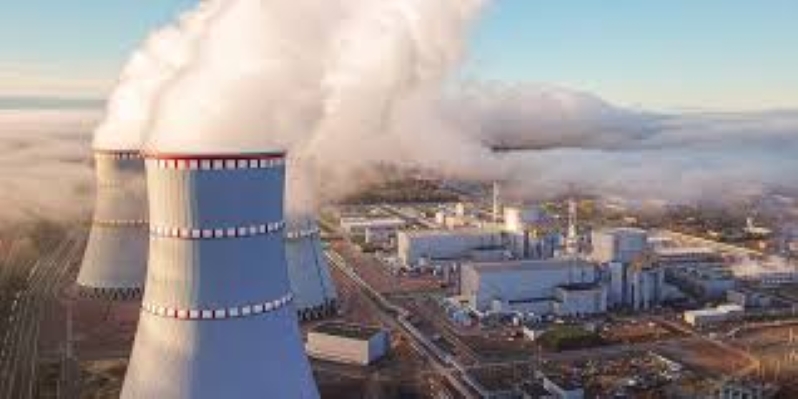
Updated May 28, 2026 – Russia and Kazakhstan have signed agreement to build the first nuclear power plant in the country, Balkhash NNP, at a cost of $16.5 billion. This cost will also be partially covered by a major export loan from Russia. Additionally, $2 billion of this cost will be allocated for physical protection systems and social infrastructure.
Kazakhstan’s First Nuclear Power Plant Moves Closer as Rosatom, Astana Prepare Balkhash Deal
Reported May 27, 2026 – Kazakhstan’s long-awaited return to nuclear power is entering a decisive phase after Russia’s state nuclear corporation, Rosatom, confirmed that an intergovernmental agreement and preliminary commercial contract for the country’s first nuclear power plant, Balkhash NNP, could be signed during Russian President Vladimir Putin’s latest visit to Kazakhstan.
The development also comes as Astana accelerates efforts to diversify its coal-heavy electricity mix and strengthen long-term energy security. Also in sight is to support industrial growth through large-scale baseload generation.
Balkhash Nuclear Power Plant
The proposed first nuclear power plant is planned near the village of Ulken on the shores of Lake Balkhash in southeastern Kazakhstan. The project is expected to use Russian VVER reactor technology and deliver around 2.4GW of installed nuclear generation capacity once operational. Rosatom also plans to start construction of Balkhash Nuclear Power Plant in 2027, with commissioning targeted for the mid-2030s.
According to Rosatom chief Alexei Likhachev, the Balkhash project may also involve participation from companies in South Korea, China, and France. Additionally, Rosatom is expected to retain responsibility for core engineering design, reactor technology and the supply of key heavy nuclear equipment. In a way, this points toward Kazakhstan’s effort to balance its geopolitical interests.
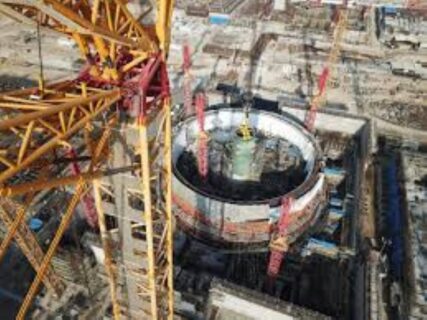
The financing structure is expected to play a major role in advancing the project. Russia could provide up to 85% of project funding through a state-backed export loan arrangement. This is similar to financing models used by Rosatom in overseas nuclear developments including projects in Turkey, Egypt, Bangladesh and Hungary.
Kazakhstan’s Atomic Energy Push
Kazakhstan’s push into nuclear energy follows years of mounting pressure on its power system. Despite being one of the world’s largest uranium producers, the country has not operated commercial nuclear generation since the shutdown of the Soviet-era BN-350 reactor in Aktau in 1999. Today, Kazakhstan remains heavily dependent on aging coal-fired infrastructure, particularly in the north, while electricity demand continues to rise due to urbanization, industrial expansion, digital infrastructure growth and electrification initiatives.
Momentum behind the nuclear program intensified after a 2024 national referendum in which voters approved the development of new nuclear power capacity. The Kazakh government has since outlined plans to develop at least 2.4GW of nuclear generation by 2035 as part of wider energy diversification and decarbonization goals. The government has also approved construction of Kazakhstan’s second nuclear power plant, with state-owned China National Nuclear Corporation (CNNC) selected as lead developer.
Electricity Shortages and Increasing Dependence on Imports
Kazakhstan continues to face growing seasonal electricity shortages and increasing dependence on imports during peak demand periods. Nuclear power, as planned, will complement Kazakhstan’s expanding renewable energy sector by providing stable baseload generation to support grid stability.
Kazakhstan’s first nuclear plant is also important not only for domestic energy supply but also for broader Central Asian energy transition.
The Balkhash development also underscores Rosatom’s continuing global nuclear ambitions. This is despite growing geopolitical tensions and Western sanctions targeting parts of Russia’s energy sector. Rosatom currently maintains one of the world’s largest international nuclear construction portfolios, with projects underway across Asia, the Middle East and Africa.
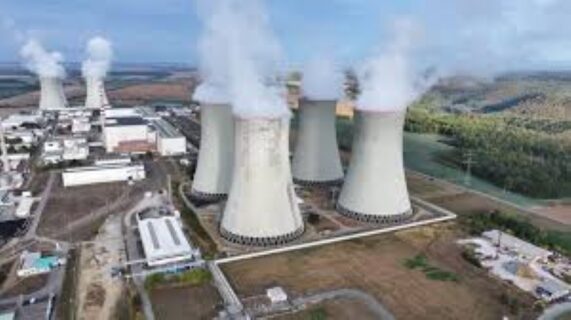
Development Outlook on Balkhash NNP, Kazakhstan First Nuclear Power Plant
Kazakhstan’s nuclear program is increasingly viewed as one of the most significant long-term energy developments in Central Asia. The country sits at the center of global uranium supply chains yet paradoxically lacks domestic nuclear generation capacity. By pursuing large-scale nuclear infrastructure, Astana is seeking to secure reliable electricity. This will be channeled to mining, heavy industry, digital infrastructure, transport and future hydrogen production while reducing dependence on coal-fired generation.
The Balkhash project additionally places Kazakhstan at the intersection of major geopolitical and industrial competition between Russia and China. While Rosatom currently leads development of the first plant, Kazakhstan’s willingness to involve other key international partners reflects a broader geopolitical game play.
Fact Sheet for Balkhash NNP, Kazakhstan First Nuclear Power Plant
Location: Ulken village, Lake Balkhash in Almaty Region
Planned Capacity: 2.4GW
Technology: Russian VVER reactor technology
Lead Developer: Rosatom
Other Participants: Companies from China, South Korea, and France
Expected Construction Start: 2027
Expected Completion: Mid-2030s
Estimated Financing Structure: Majority funding expected via Russian state export loan
Strategic Goal: Energy diversification, emissions reduction and long-term baseload power generation
Project Timeline and Evolution
1999: Kazakhstan shuts down the BN-350 reactor, ending domestic nuclear power generation in the country
2022-2024: Kazakhstan evaluates proposals from suppliers including Rosatom, CNNC, EDF and KHNP
October 2024: National referendum approves construction of new nuclear power plants
2025-2026: Rosatom selected to lead consortium discussions for first plant
May 2026: Russia and Kazakhstan prepare intergovernmental agreement and preliminary Balkhash contract during Putin visit
2027: Balkhash Nuclear Power Plant construction to start
2035-2036: Expected commissioning period for first nuclear units
Key Players Involved in Balkhash NNP, Kazakhstan First Nuclear Power Plant
Project Developer & Nuclear Technology Provider: Rosatom
Potential Chinese Participant: China National Nuclear Corporation
Kazakhstan Atomic Energy Authorities: Kazakhstan Atomic Energy Agency
Potential Korean Participant: Korea Hydro & Nuclear Power
Potential French Participant: EDF



Leave a Reply