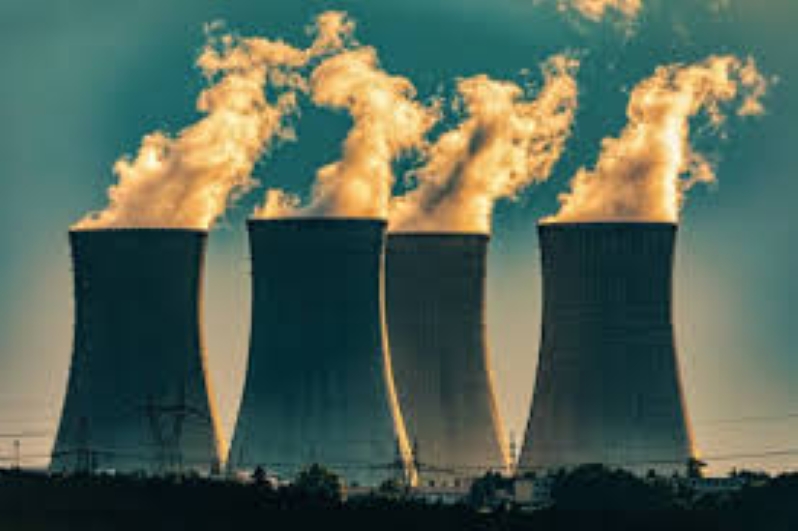
Kazakhstan is accelerating its nuclear energy expansion strategy with plans for a second large-scale nuclear power plant, marking another major milestone in the country’s long-term transition toward low-carbon baseload power generation. The proposed facility, to be developed by state-owned China National Nuclear Corporation (CNNC), follows the rapid progress of Kazakhstan’s first nuclear project at Balkhash, which is being developed by Russia’s state nuclear corporation Rosatom. Rosatom is also eyeing a role in the development of Kazakhstan’s second nuclear power plant as President Putin visits the country. Together, the projects are set to reshape the Central Asian nation’s energy mix as Astana seeks to reduce dependence on aging coal-fired infrastructure and strengthen its grid.
Kazakhstan’s Second Nuclear Power Plant
Kazakhstan’s second nuclear power plant will be located in the Zhambyl district of the Almaty region, adjacent to the site selected for the country’s first nuclear facility near the village of Ulken on the shores of Lake Balkhash. The site selection was approved by the Kazakh government in early 2026, pointing toward a strategy of developing a major nuclear energy hub in southeastern Kazakhstan.
The project also forms part of Kazakhstan’s broader nuclear development roadmap following the 2024 national referendum in which voters approved the construction of new nuclear generation facilities. The country aims to commission at least 2.4GW of nuclear capacity by 2035. However, current plans suggest total capacity could rise significantly higher if both plants proceed as planned.
China’s Role in the Second Nuclear Power Plant in Kazakhstan
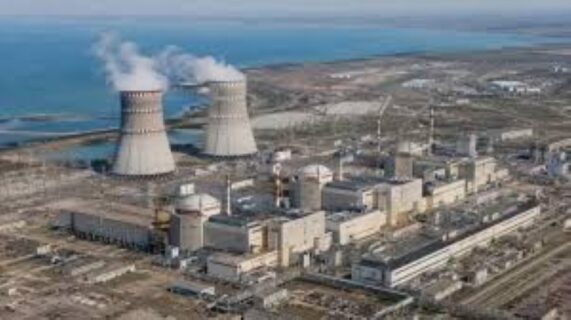
China National Nuclear Corporation emerged as the preferred lead developer for the second nuclear project after Kazakhstan earlier confirmed it would sign a separate agreement with CNNC beyond the Russia-led Balkhash development.
This move has been increasingly viewed as Astana’s play to balance the geopolitical scale. Kazakhstan effectively aims to maintain cooperation with both Russia and China while diversifying technology partnerships and financing sources.
Although Kazakhstan has yet to officially disclose the reactor configuration, expected generation capacity, or detailed financing structure for the second plant, the project is expected to proceed with Chinese Generation III reactor technology similar to CNNC’s Hualong One platform. The development is expected to support Kazakhstan’s growing electricity demand. This is mainly driven by mining operations, industrial processing, urban growth, transport electrification and digital infrastructure expansion.
Kazakhstan’s Nuclear Energy Landscape
The second nuclear plant also points toward Kazakhstan’s increasing importance in the global nuclear fuel cycle. The country remains the world’s largest uranium producer. Yet has lacked commercial nuclear generation since the decommissioning of the Soviet-era BN-350 reactor in Aktau in 1999. The new projects are expected to transform Kazakhstan from primarily a uranium exporter into a long-term nuclear power producer and a regional atomic player.
Additionally, Kazakhstan’s nuclear ambitions are additionally being driven by mounting pressure on its electricity network. The country continues to rely heavily on coal-fired generation, particularly in northern industrial regions, while electricity consumption rises steadily across the economy. Nuclear power is expected to complement Kazakhstan’s growing renewable energy portfolio. Together, they are expected to provide stable baseload generation capable of supporting grid stability especially solar and wind output down-times.
Kazakhstan’s Future Nuclear Power Plan
Kazakhstan’s second nuclear power plant could eventually become part of a larger multi-reactor development corridor around Lake Balkhash. Reports from the county’s energy sector indicate that CNNC may also participate in Kazakhstan’s third planned nuclear power project. This is as Astana accelerates efforts to establish a diversified nuclear generation portfolio over the coming decades.
While timelines remain preliminary, Kazakhstan’s second plant is expected to move into detailed planning, intergovernmental negotiations and feasibility assessments following progress for the first facility, Balkhash nuclear power plant project.
Kazakhstan’s government has also emphasized that future nuclear developments will involve international partnerships, technology transfer, workforce development and localized supply chain participation.
Additionally, Kazakhstan’s broader energy diversification strategy extends beyond nuclear ambitions to include major renewable energy developments, most notably the Mirny Wind Project in the Zhambyl Region. The project has broken ground and represents a significant step in the country’s clean energy expansion, combining 1GW of onshore wind capacity with large-scale battery storage and supporting infrastructure aimed at strengthening grid reliability and long-term energy security.
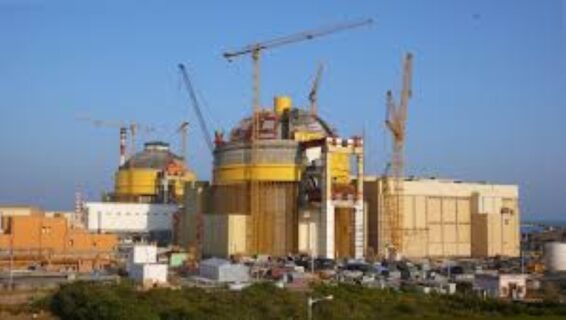
Project Factsheet: Kazakhstan Second Nuclear Power Plant
Location: Zhambyl District in the region of Almaty
Nearby Landmark: Lake Balkhash/Ulken nuclear energy zone
Lead Developer: China National Nuclear Corporation (CNNC)
Status: Site approved. Pre-development phase ongoing
Reactor Technology: Generation III Chinese reactor technology (expected)
Capacity: Yet to be officially disclosed
Target Commissioning Window: Likely 2030s
Project Timeline and Evolution
1999: Kazakhstan shuts down the BN-350 nuclear reactor in Aktau
2024: National referendum approves development of nuclear power plants
June 2025: Kazakhstan confirms Rosatom for first nuclear plant and separate CNNC agreement for second project
July 2025: Kazakh officials indicate CNNC could participate in second and third nuclear plants
February 2026: Kazakhstan formally approves Almaty Region site for second nuclear power plant
May 2026: Rosatom confirms Kazakhstan has approved second plant with CNNC selected as lead constructor. The Russian-run nuclear corporation also indicates plans to participate in Kazakhstan second nuclear power plant project.
2026 onward: Feasibility work, negotiations and consortium development phase expected
2030s: Expected construction and commissioning period
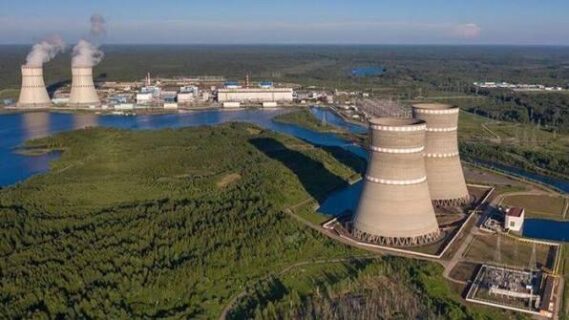
Who is Involved
Lead Developer: China National Nuclear Corporation (CNNC)
Kazakhstan Atomic Energy Authorities: Government of Kazakhstan
Potential Participating Partner: Rosatom
Potential Grid and Energy Stakeholder: KEGOC
Project Outlook
The country’s leadership increasingly views nuclear energy as essential to maintaining long-term economic competitiveness. This is particularly important as electricity demand increases from mining, metals processing, hydrogen production, AI infrastructure and industrial manufacturing.
The second nuclear power plant also reflects Kazakhstan’s delicate balancing of its foreign policy. By involving both Russia’s Rosatom and China’s CNNC in separate but closely similar projects, Astana is attempting to diversify geopolitical dependencies while securing access to financing, technology, engineering expertise and regional infrastructure. The approach also positions Kazakhstan as a strategic nuclear and energy hub linking Russia, China and wider Eurasian markets.




Leave a Reply