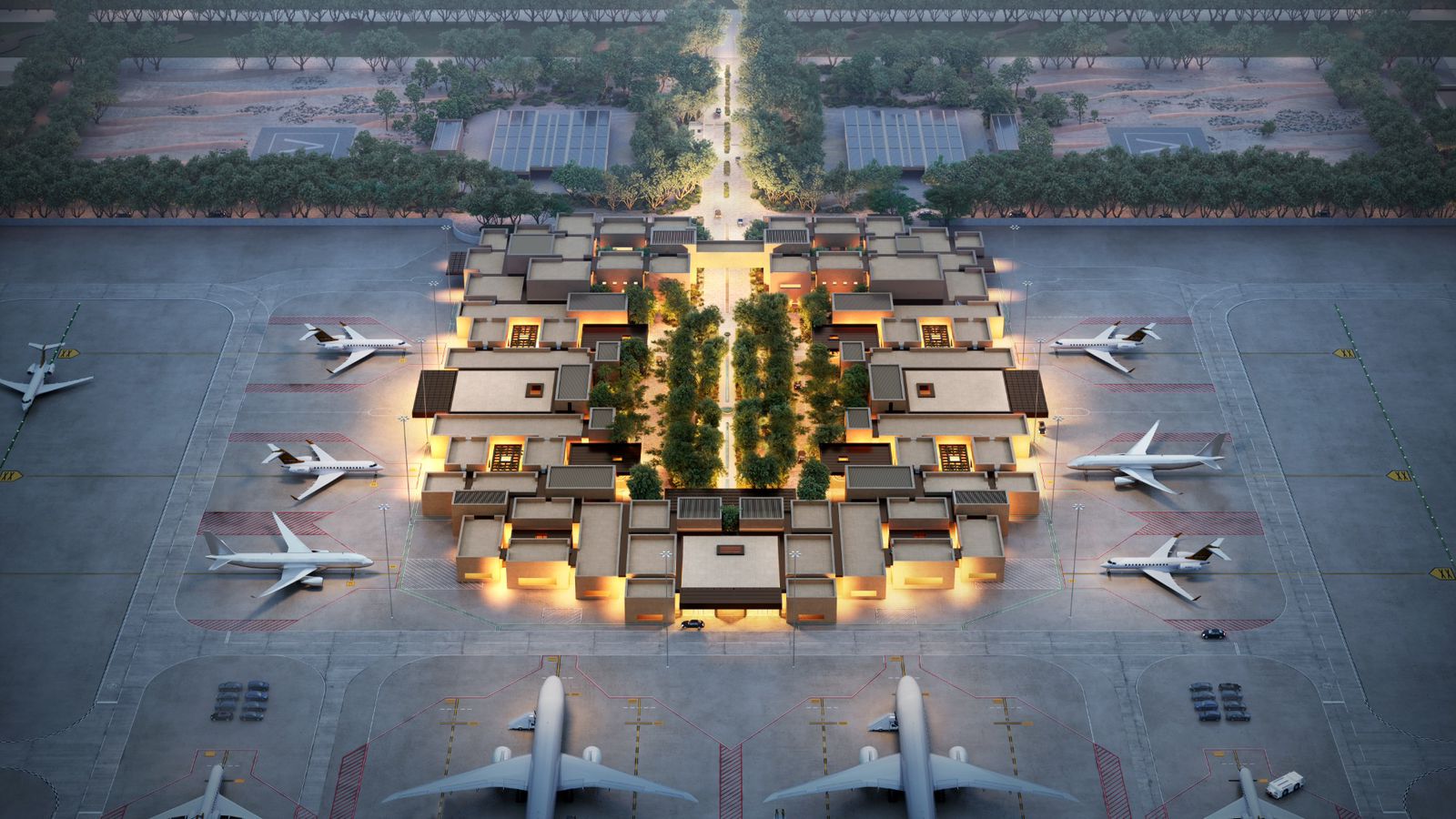
King Salman International Airport construction continues to gain momentum in Riyadh as Saudi Arabia accelerates one of the world’s largest aviation developments. The massive airport project has entered a new delivery phase, with runway works, terminal procurement, and supporting infrastructure progressing simultaneously. Moreover, the development supports Saudi Arabia’s Vision 2030 strategy, which aims to position Riyadh as a leading global aviation and logistics hub.
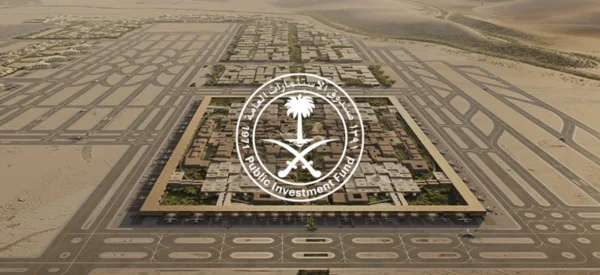
The airport project spans nearly 57 square kilometers and will eventually integrate the existing King Khalid International Airport facilities. In addition, the scheme includes six parallel runways, aviation support zones, logistics facilities, retail districts, and residential developments. Saudi Arabia plans to complete major phases before 2030 as passenger demand continues rising across the region.
Construction activity currently focuses on the third runway and several enabling infrastructure packages. King Salman International Airport Development Company recently advanced airside works in partnership with FCC Construcción and Almabani General Contractors. The new runway will stretch about 4.2 kilometers and improve aircraft handling capacity significantly.
King Salman International Airport construction pushes runway and terminal works forward
King Salman International Airport construction entered a critical delivery stage after contractors mobilized for runway, taxiway, and utility packages. Furthermore, preliminary site preparation works continue across multiple sections of the airport masterplan. Riyadh-based contractor Binyah also secured framework agreements covering earthworks, road diversions, and utility relocation activities.
The third runway project will raise operational capacity from 65 aircraft movements to nearly 85 aircraft movements hourly. Consequently, the airport will support future passenger growth while improving operational efficiency across Riyadh’s aviation sector. The runway design also aligns with prevailing wind conditions to improve aircraft safety and movement reliability.
Meanwhile, procurement activity continues for Terminal 6 and the airport’s Iconic Terminal packages. Several international consortiums have already entered early contractor involvement stages for the terminal development programme. Selected teams include United Contractors Company (UCC) and Consolidated Contractors Company (CCC), Al-Gihaz Holding with TAV Construction and Webuild, alongside PowerChina and Mohammed Alsubeaei & Sons Investment Company (MASIC) Building Line Division (MBL).
The airport developer also continues tendering packages for fuel storage facilities, hydrant systems, and additional runway infrastructure. These systems will support expanded aircraft parking areas and future airport operations. Moreover, several packages will follow public-private partnership structures to attract private investment into Saudi Arabia’s aviation expansion plans.
King Salman International Airport construction supports Vision 2030 aviation targets
King Salman International Airport construction forms a central pillar within Saudi Arabia’s broader aviation transformation strategy. The kingdom plans to triple annual passenger traffic to 330 million travelers by 2030 while expanding cargo handling capacity substantially.
The airport aims to handle 100 million passengers annually by 2030 before increasing long-term capacity further by 2050. Cargo operations could also exceed 3.5 million tonnes annually once full development phases conclude. Therefore, the project remains essential to Saudi Arabia’s ambitions of becoming a global transport and logistics gateway.
In addition, the development includes extensive commercial and lifestyle components surrounding the airport district. Plans feature retail centers, recreational zones, hospitality developments, and integrated transport systems connecting various airport facilities. Foster + Partners designed the airport masterplan with sustainability and passenger experience forming key priorities throughout the project.
Saudi Arabia has committed nearly $100bn toward aviation investments under Vision 2030. Consequently, King Salman International Airport remains one of the kingdom’s most strategically important infrastructure developments currently under construction. Industry analysts also expect the project to generate substantial opportunities across aviation, logistics, tourism, and commercial real estate sectors over the next decade.
The Riyadh aviation expansion also complements other major airport developments across Saudi Arabia, including the Red Sea International Airport project, which continues to strengthen the kingdom’s tourism and transport infrastructure strategy under Vision 2030.
Project Fact Sheet
Project name: King Salman International Airport
Location: Riyadh, Saudi Arabia
Project value: Approximately $100 billion
Project developer: King Salman International Airport Development Company (KSIADC)
Area: About 57 square kilometers
Planned runways: Six parallel runways
Current focus works: Third runway, terminal packages, utility infrastructure, and fuel systems
Third runway length: Approximately 4.2 kilometers
Current operational capacity: 65 aircraft movements hourly
Future operational capacity: About 85 aircraft movements hourly after runway completion
Passenger target by 2030: 100 million passengers annually
Long-term passenger target: 185 million passengers annually by 2050
Cargo target: Up to 3.5 million tonnes annually
Completion target: Major phases targeted before 2030
Development model: Mixed public funding and PPP delivery structures
Strategic programme: Saudi Vision 2030 aviation and logistics transformation
Existing airport integration: King Khalid International Airport facilities will become part of KSIA
Project Team
Client: King Salman International Airport Development Company (KSIADC)
Owner: Saudi Public Investment Fund (PIF)
Masterplan architect: Foster + Partners
Infrastructure design consultant: Jacobs
Delivery partner: Mace
Third runway contractor: FCC Construcción
Local runway contractor: Almabani General Contractors
Site preparation contractor: Binyah
Terminal 6 ECI bidders:
- UCC
- CCC
- Al-Gihaz Holding
- TAV
- Webuild
- PowerChina
- MBL

Leave a Reply