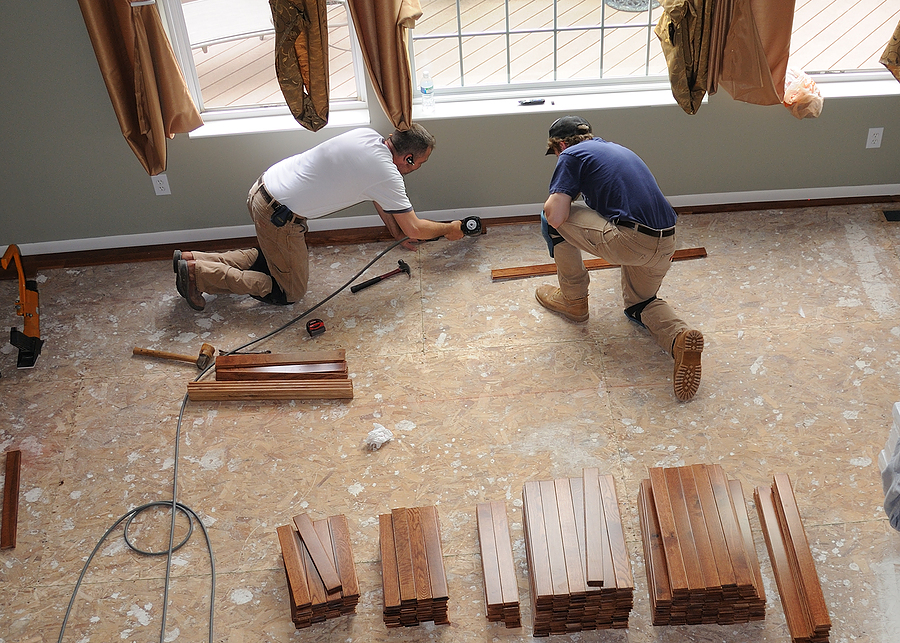
If you think you know what’s happening in the home remodeling world, think again. The numbers coming out of 2026 are staggering — and whether you’re planning a full gut renovation or just curious about where the market stands, these statistics will completely reshape the way you think about your home.
The Market Is Bigger Than You Probably Imagined
Let’s start with the headline number: the home remodeling industry is enormous, and it keeps growing. The global home remodeling market is projected to increase from $997.52 billion in 2025 to $1.04 trillion in 2026, growing at a CAGR of 4.9%. That’s not a typo — the world is spending over a trillion dollars on home improvements this year. If you are planning a Bathroom remodeling Renton project, you aren’t alone.
Even if you narrow your focus to U.S. homeowners alone, the figures are jaw-dropping. According to Harvard’s Joint Center for Housing Studies, overall annual homeowner spending on improvements is expected to reach $522 billion by the end of 2026. To put that in perspective, home remodeling now accounts for approximately 3.1% of U.S. GDP. Your home isn’t just where you live; it’s a major engine of the national economy.
You’re Not the Only One Renovating
If you’ve been eyeing a remodel, you’re in very good company. More than 91% of U.S. homeowners plan to move forward with their renovation projects in 2026 despite economic uncertainty. Renovation activity has shifted interestingly this year, too. Millennials are now the largest cohort of renovators at 35% of respondents, followed closely by Baby Boomers at 33% and Gen X at 30%. That’s a significant change from just a year ago, when Boomers led the pack.
Why are younger homeowners so active? Millennials are nearly twice as likely as Boomers and Gen X to have bought a fixer-upper, suggesting that affordability pressures are pushing younger buyers toward older homes that need work. In other words, if you’re a Millennial homeowner, your renovation wasn’t entirely a choice; it was a consequence of what you could afford to buy.
What You’re Actually Spending
Here’s where things get interesting. The average cost of remodeling a house between 1,250 and 1,600 square feet in the U.S. hit $52,275 in 2026, with project costs ranging from $3,000 for minor changes to $190,000 or more for major transformations, but that average conceals a huge spread. Your neighbor redoing a powder room and the couple down the street converting their basement are both part of that number.
The median homeowner spent $20,000 on renovations in 2024, while the top 10% of remodelers spent $140,000 or more per project. If you’re planning something comprehensive, know that homeowners who recently renovated report that better schedule tracking (44%) and clearer communication (35%) were the top things they wished had gone differently. Your project doesn’t have to be in that frustrated majority, but you’ll need to plan carefully to avoid it.
The Projects You’re Most Likely to Tackle
Kitchens and bathrooms dominate renovation activity year after year, and 2026 is no exception. Kitchens and guest bathrooms were the most popular upgrades in 2024, with 24% of homeowners renovating each, but infrastructure improvements are quietly surging. Plumbing topped the list of focused upgrade areas, with more than a quarter of renovators investing in it, followed by electrical work at 25%.
Outdoor spaces are having a major moment, too. Outdoor projects rose to 53% of remodeling activity, reflecting renewed interest in lighting, security, and decks. If you’ve been putting off that backyard deck or patio, you’re part of a massive national trend, and the ROI numbers strongly support moving forward.
The ROI Numbers That Will Make Your Head Spin
This is where the statistics get truly mind-blowing. If you think the best return on your renovation dollar comes from a sleek kitchen or a spa-like bathroom, you might want to reconsider what you’re spending money on.
Garage door replacements return a massive 268% ROI, making them the top exterior investment. That means if you spend $2,000 on a new garage door, you’re adding over $5,000 in home value. It’s one of the most counterintuitive stats in real estate, and yet it holds year after year.
Minor kitchen remodels punch above their weight, too. A minor kitchen remodel continues to recoup about 112.9% of its cost, making it one of the top interior projects for return on investment. Meanwhile, wood decks recoup 95%, composite decks 89%, and fiberglass entry doors 85%. Strategic, mid-range improvements almost always outperform luxury splurges when it comes to what you’ll actually get back.
On the flip side, don’t expect your ultra-premium renovation to pay for itself. Major renovations like adding a primary suite or high-end home remodeling typically return only 24–36% of their cost, according to Amerisave, which is fine if you’re doing it for your own enjoyment, but sobering if you’re banking on resale value.
The Budget Reality Check You Need
Even experienced homeowners get blindsided by costs. A full 39% of homeowners exceed their renovation budget due to unexpected costs. Hidden water damage, outdated wiring, supply delays — any one of these can send your project spiraling. Experts consistently recommend setting aside a 10–20% contingency buffer, and the data strongly support that advice.
How are you paying for it all? The financing picture has shifted noticeably this year. Credit card usage for renovations jumped from 17% to 23% year over year, while HELOC and home equity financing collectively rose from 15% in 2025 to 23% in 2026. If you’re planning to finance, you’re in a growing company, though 61% of homeowners say interest rates have not changed their renovation plans at all.
Finding Good Help Is Harder Than You Think
You’ve budgeted, you’ve planned, and now you need someone actually to do the work. Good luck. The single biggest barrier to renovation is finding someone reliable — “finding a trustworthy contractor” was cited by 30% of respondents, edging out total cost at 24% as the most common obstacle.
The labor shortage behind that frustration is structural, not temporary. The remodeling industry faces a workforce gap of nearly half a million workers, particularly in specialized trades such as roofing, siding, and window installation. Nearly 90% of contractors report difficulty finding qualified workers, and labor costs for exterior trades are rising 6–8% annually. If you want the best contractor in your area, the time to book them is now, not six months from now.
Small Remodeling Projects You Can Do Today
You don’t need a contractor, a massive budget, or a free weekend to improve your home meaningfully. Some of the most satisfying upgrades take just a few hours and a trip to the hardware store. Here are some of the best small remodeling projects you can tackle right now.
Swap Out Your Hardware: Cabinet pulls, drawer handles, and door knobs are the jewelry of a room. Replacing dated brass or plastic hardware with matte black, brushed nickel, or unlacquered brass fixtures takes less than an hour and costs as little as $30–$80 for a whole kitchen. The visual difference is immediate and dramatic.
Paint an Accent Wall: A single bold wall can completely redefine a room’s personality. Choose a deeper shade of your existing color or go for something contrasting. With a roller, painter’s tape, and a couple of hours, you can transform a bedroom or living room without committing to a full repaint. Limewash and textured paint techniques are especially popular right now and surprisingly forgiving for beginners.
Upgrade Your Light Switch Covers and Outlets: This is one of the most overlooked quick wins in any home. Yellowed or cracked outlet covers make even a freshly painted room look tired. A full set of new covers – screwdriver required, nothing more – costs under $20 and takes about 20 minutes. While you’re at it, consider replacing standard switches with rocker-style or Decora plates for a cleaner, more modern look.
Refresh Caulking and Grout: Old, discolored caulk around tubs, sinks, and backsplashes is one of the main culprits making bathrooms and kitchens look worn. Removing the old caulk with a plastic scraper and applying a fresh bead of white or clear silicone caulk makes the space look almost professionally renovated. It’s tedious, not difficult — and the results are well worth the afternoon.
Install a New Showerhead: A rainfall or high-pressure showerhead costs $30–$150 and installs in about 15 minutes with nothing but an adjustable wrench and some plumber’s tape. It’s a small luxury that genuinely improves daily life, and it’s one of the fastest ROI upgrades in a bathroom.
Add Open Shelving: A floating shelf or two in a kitchen, bathroom, or entryway adds both storage and visual interest. Pre-made floating shelves from hardware stores come ready to hang, and the whole project — bracket installation, shelf placement, styling — can be done in an afternoon. It’s one of those rare upgrades that look intentional and custom even when they aren’t.
Replace a Faucet: Bathroom and kitchen faucets are easier to swap than most people think. With basic plumbing knowledge, a basin wrench, and a YouTube tutorial, you can replace an outdated faucet in a couple of hours. A quality replacement in a modern finish runs $80–$200 and can anchor an entire room’s aesthetic.
Small projects done well build momentum. Start with one today, and you’ll likely find yourself eyeing the next wall, fixture, or cabinet by the time you clean up your tools.
The home remodeling industry in 2026 is massive, competitive, and full of surprises. You could spend a modest amount on a garage door and walk away with an extraordinary return, or you could drop six figures on a luxury overhaul and recover less than a third of it. The market rewards the homeowner who does their homework. Whether you’re renovating to sell, to stay, or simply to love where you live, the data is clear: strategic, well-planned remodeling remains one of the smartest investments you can make in 2026.