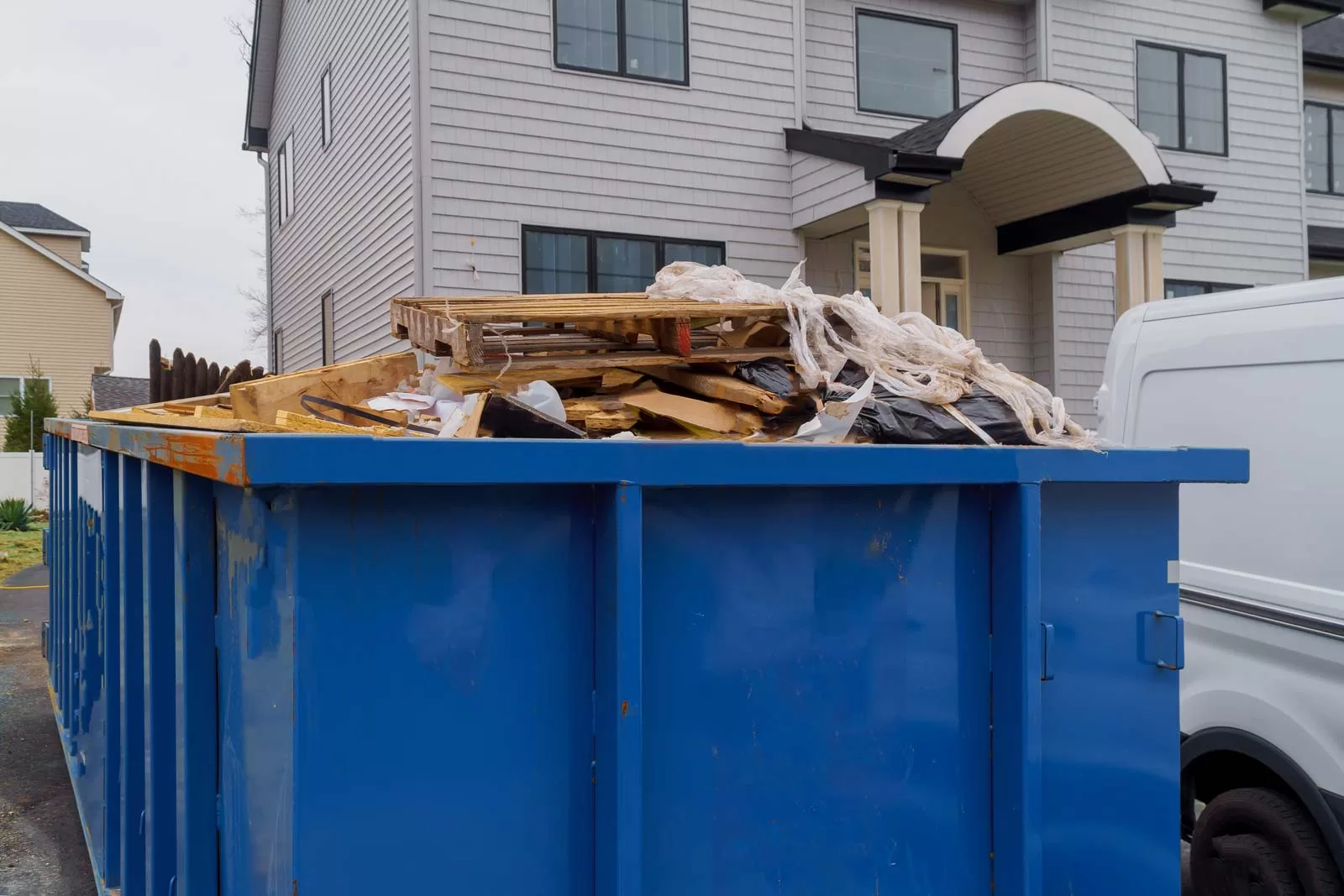
Home projects generate waste in ways many households underestimate. Drywall sheets, broken tile, soaked carpet, and trimmed branches can overtake a garage before work reaches the second day. Without a disposal plan, clutter spreads, walking paths narrow, and labor slows. Early preparation keeps the site safer and easier to manage. A properly sized container lets a household clear debris as it appears, which supports cleaner surfaces, steadier progress, and less physical strain during demanding jobs.
Why a Dumpster Helps
Most renovation, roofing, and cleanout jobs create mixed debris that standard curbside service cannot handle. Loose piles collect nails, splinters, dust, and sharp edges, which raise injury risk and complicate cleanup. Before demolition begins, many homeowners choose to rent a dumpster so heavy material moves directly into one container, work zones stay clearer, carrying distances stay shorter, and the property remains easier to supervise through each phase of the project.
Match the Size to the Debris
Size affects price, footprint, and hauling efficiency. A small bathroom refresh may fit a compact container, while a kitchen gut or roof replacement often needs far more volume. Dense material can also consume usable space quickly. Estimating debris by room count, square footage, and material type gives a more accurate starting point. That step lowers the chance of overflow charges, extra pickups, or paying for unused capacity.
Estimate Weight Before Ordering
Weight limits deserve close attention, because they often shape the final bill more than volume alone. Brick, concrete, plaster, dirt, and shingles can exceed allowances long before a container looks full. Many rental providers assign a tonnage range to each size. Reviewing those numbers early helps a household avoid overage fees, prevent loading problems, and keep removal straightforward once the project reaches pickup day.
Check Permits and Local Rules
A container placed on private property may need no permit, but street placement often triggers local requirements. Municipal rules can also restrict blocking sidewalks, fire hydrants, alleys, or shared parking areas. Homeowners should check with city offices before delivery is booked. That brief call can prevent fines, rushed relocation, and unnecessary tension with neighbors who rely on clear access for parking, mail, or routine waste collection.
Pick a Safe, Useful Spot
Placement affects both safety and efficiency. A dumpster works best on level ground with enough clearance for the truck to lower and remove it without obstruction. Many households use a driveway, with plywood underneath to reduce surface marks and spread pressure. The chosen area should allow clear walking paths, door access, and direct carrying routes. Shorter trips reduce fatigue and limit scattered debris across the property.
Load Materials With Care
Thoughtful loading protects workers and keeps hauling simple. Flat pieces should go first, which creates a stable base for bulkier items placed evenly across the container. Weight should stay balanced from end to end. Nothing belongs above the top rail, because overfilled bins can delay pickup. Paint, solvents, batteries, propane tanks, and some appliances usually require separate disposal. Restrictions should be confirmed before loading begins.
Watch the Rental Period
Timing matters almost as much as size. Weather delays, permit issues, hidden damage, and contractor scheduling changes can stretch a project beyond the original plan. Rental periods vary by company, so terms should be reviewed before delivery is confirmed. Ordering too early can waste paid days, while waiting too long leaves debris exposed outdoors. A realistic schedule helps control cost and keeps the site more orderly.
Compare the Full Price
A useful quote should list container size, included weight, rental length, delivery, pickup, and any added charges for extra tonnage or prohibited items. Some companies also bill for blocked access or extended use. Looking only at the starting rate can hide the true total. Written terms make comparisons easier and give households a clearer basis for choosing a service that fits the project budget.
Prepare the Area Before Delivery
Before the truck arrives, the drop area should be cleared of vehicles, outdoor furniture, toys, low branches, and anything else that limits access. Gates need enough width, and soft ground may require a firmer location. Clear instructions help the driver place the container correctly on the first attempt. That preparation reduces delay, protects pavement, and lowers the chance of a second trip or an awkward repositioning.
Conclusion
A dumpster rental works best when planning begins before demolition, hauling, or yard clearing starts. The right choice depends on debris type, weight, local rules, placement, and timing, not size alone. Households that think through those details usually experience fewer delays, lower surprise costs, and safer work areas. For projects that generate steady waste over several days, a well-managed container supports cleaner