Exterior wood often fails on homes. Wood products are beautiful, and they are durable, but there are some reasons that your home’s exterior wood surfaces might not have held up to challenges like UV rays, weather, and time. You need to understand which best practices keep your home from falling prey to this common problem so that you can extend the lifespan of wood materials on the exterior surfaces of your house.
Replacing exterior wood trim on a house is a common way of preventing damage from spreading to the wood surfaces on your home. Wooden trim is responsible for the protection of your home, as well as being cosmetic. Wood trim remains the top choice for exterior applications because it is so attractive and versatile, and because it is often far easier to replace than other products that might be used in its place.
Let’s look at the best practices that you can follow to keep the exterior wood surfaces of your home in tip-top shape.
Best Practices For Caring for Exterior Wood on Your Home
These tips will apply to all different kinds of wooden exterior materials for homes. Be sure that you pay attention to products like sealants, paints, and stains, and ensure that they are made for the type of wooden siding you have.
1. Wash Carefully
Exterior wood surfaces will need to be washed from time to time, but you need to be careful about how you handle this part of the upkeep of your property. You should be sure to use a standard garden hose with a nozzle attachment. High-pressure washing can gouge softer woods like cedar and fir, and it can strip paint off the exterior surfaces of your home as well.
You can remove mildew with a mild solution that is 1 part bleach to 4 parts water. There are also commercial wood cleaners that you can use to remove mildew and prevent future growth of these organisms on your home’s exterior surfaces.
2. Repair Damaged Areas
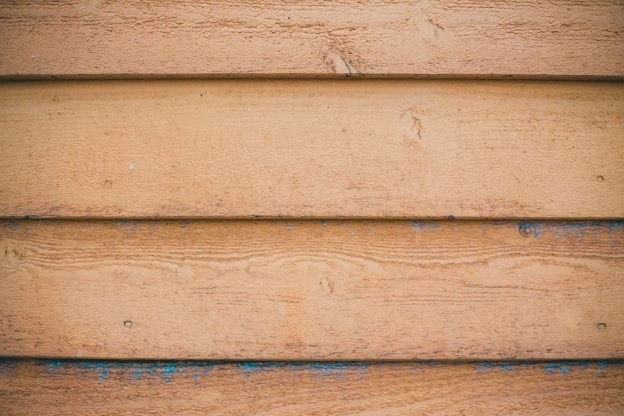
If you are noticing places where paint has flaked away or where the wood has been damaged, you need to repair these so that water doesn’t seep into deeper layers of the walls of your home. You should scrape away flaking paint and spot-prime raw or exposed wood with an exterior primer.
You will then need to caulk any areas where the old caulking has been damaged. The last step is to apply paint or stain to match the treatment of the rest of your home’s exterior surfaces. Damaged spots, no matter how small or large, need to be addressed promptly, particularly when the weather is not warm and sunny.
3. Trim Back Shrubs and Plants
Plants leaning against the side of your home can actually lead to water damage that is hard to keep up with. Rain and ambient moisture can easily collect on the leaves of bushes or other plants near your home’s exterior surfaces. If the plants in question are touching the siding of your home, the moisture on the plant’s leaves can become trapped against the house, leading to moisture damage.
Large plants like trees can also damage or gouge siding when it’s windy, which leads to the need for repairs if you don’t want water incursion to take place. Keeping landscaping under control and away from the sides of your home can have a big impact on the longevity of exterior wood materials.
4. Inspect Your Home Regularly
One of the things that many homeowners forget to do is inspect their home’s exterior surfaces for damage on a routine basis. It’s pretty easy to just walk around your house and take a look at the siding every couple of months. If you have had stormy or really wet weather, that can be a good trigger to go take a look at your home’s siding to make sure that it’s still in good shape.
Catching small areas that need repairs or spotting water damage right away can limit the problem to one small area. Water damage is often very simple to deal with at first. Once your siding has been damaged for some time, water damage can become extensive, or pests might get into your home and make a big mess that is expensive to clean up.
5. Be Sure to Use Sealants
Most wood products need to be sealed after they are stained or painted so that they are not permeable to water. Even if you live in an area where rain is not common, there are other reasons to seal your exterior home surfaces. UV rays and pests can also be held off by proper sealants, making your home’s exterior surfaces last for far longer.
Sealants are usually matched to specific kinds of wood products. Be sure that you are purchasing or inquiring about having the right kinds of sealant when you are looking into taking care of this part of the upkeep of your home’s siding and exterior surfaces.
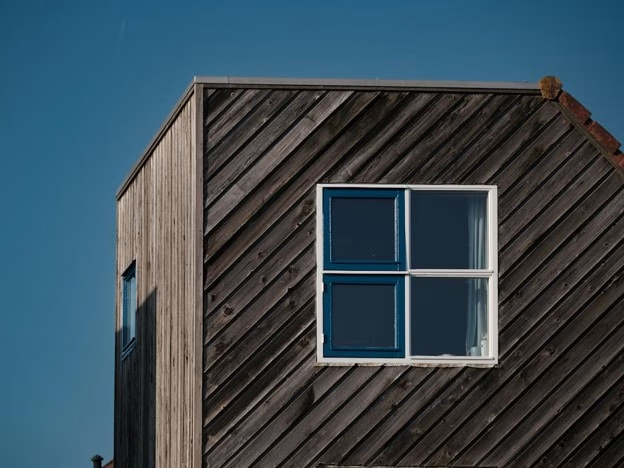
Caring For Your Home’s Exterior Surfaces is Important
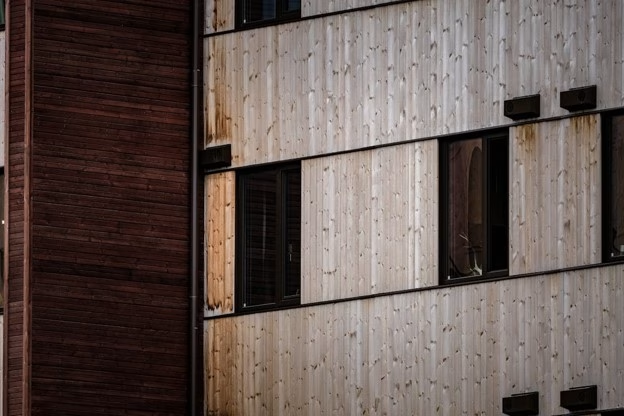
There are lots of reasons that people select wooden materials for the exterior surfaces of their homes. Wood siding is beautiful and cozy and looks nice in almost any kind of environment. You will need to be sure that you understand how to do the upkeep necessary to keep your wooden siding in good condition, however. It can get very expensive to have to replace wooden siding that you didn’t keep up with, so make sure that you are ready for this kind of exterior siding material’s needs before you commit to putting it on your home.
These tips will help you to take excellent care of the wooden surfaces on your home. You will be thrilled not to find major damage that’s costly and stressful to have fixed and you will be able to tackle most of the upkeep listed in this guide yourself if you wish. Be sure to keep your landscaping in good condition and pay attention to damage and you should be able to enjoy having beautiful wooden siding for years to come.