The Seasonal Pressure on Canadian Foundations
Canadian homeowners are well aware of how the changing seasons affect their property. From heavy snow accumulation in winter to rapid spring thaws, the ground surrounding a home’s foundation is in constant movement. This environmental stress often leads to a build-up of hydrostatic pressure, which forces groundwater against basement walls. When this pressure finds pathways through concrete, the resulting moisture can compromise both structural integrity and indoor air quality.
Maintaining a dry basement is a fundamental part of long-term home preservation in Canada. Without a proactive approach to moisture management, minor water intrusion can escalate into costly repairs involving mold remediation and foundation stabilization.
The Importance of Immediate Basement Leak Repair
When water infiltration is detected, prompt basement leak repair is essential. What may appear to be a small damp spot is often an indicator of deeper structural vulnerability. Interior crack-sealing methods, such as polyurethane or epoxy injections, are commonly used to create a flexible, long-lasting barrier that adapts to natural foundation movement.
Effective repair goes beyond sealing visible cracks. It also involves managing the water pressure that exists behind basement walls. Addressing leaks early helps prevent moisture from reaching steel reinforcement, wood framing, and insulation materials, which are highly susceptible to corrosion, rot, and mold growth. Early intervention reduces the risk of more extensive structural damage over time.
Systemic Interior Protection
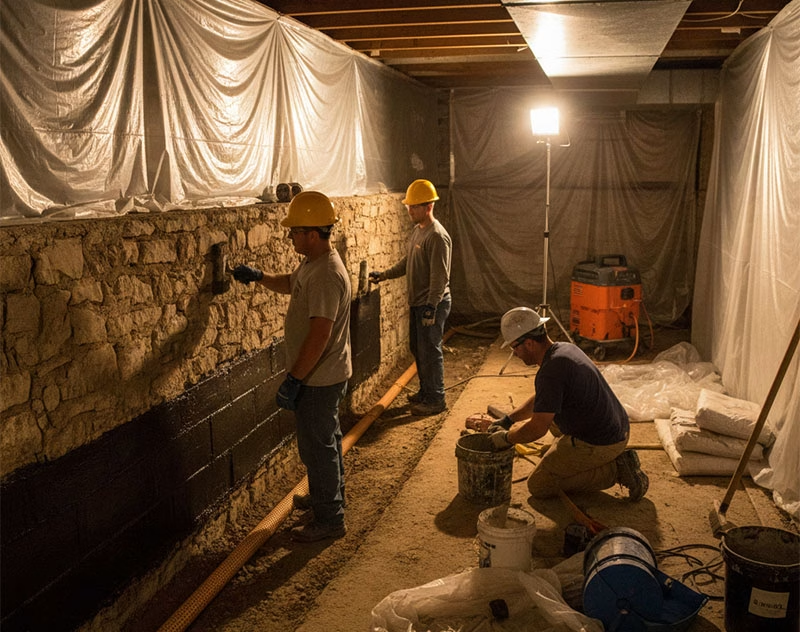
In many homes—particularly older properties in urban areas—isolated repairs may not provide sufficient long-term protection. Comprehensive interior waterproofing systems, which can include drainage membranes, interior perimeter drains, and sump pump systems, offer an additional layer of defense.
These systems are designed to intercept moisture that penetrates foundation walls and redirect it safely away from the structure before it reaches interior spaces. By controlling water movement and reducing basement humidity levels, interior waterproofing helps create a healthier indoor environment and lowers the risk of mold-related health concerns.
A properly waterproofed basement also expands usable living space, allowing homeowners to finish or renovate below-grade areas with greater confidence.
Choosing Expert Solutions for Long-Term Value
Professional waterproofing solutions are typically tailored to local soil conditions, climate patterns, and foundation design. Proper material selection and installation methods play a key role in ensuring durability and performance over time.
A documented waterproofing system can also enhance property value by demonstrating proactive maintenance and reducing buyer concerns related to moisture or foundation issues. As extreme weather events become more frequent across Canada, investing in reliable foundation protection is increasingly viewed as a long-term asset rather than a discretionary upgrade.
Conclusion: A Drier, Safer Home
Interior basement waterproofing is ultimately about resilience. While homeowners cannot control weather patterns or seasonal ground movement, they can control how their homes respond to these pressures. By addressing vulnerabilities early and implementing layered moisture-control strategies, properties remain structurally sound, healthy, and comfortable for decades.
Taking preventative action today helps avoid major structural and financial consequences tomorrow—ensuring a safer, drier home regardless of what the Canadian climate delivers.