In industrial and construction environments, mobility solutions are often overlooked until something goes wrong. Selecting the right wheels and castors for the job makes a significant difference in safety, efficiency, and long-term cost.
Why Wheel Selection Matters on Construction Sites
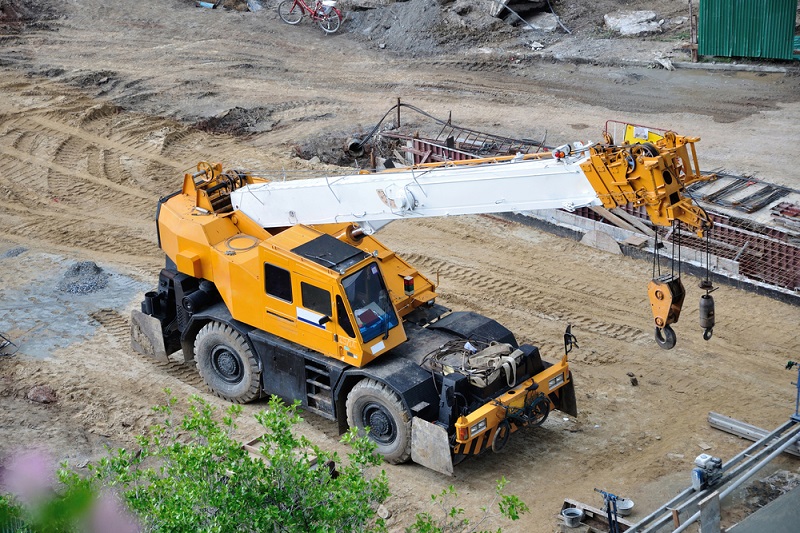
Construction sites are demanding environments. Surfaces are uneven, loads are heavy, and equipment is constantly on the move. A wheel that performs well in a warehouse may fail completely on a rough outdoor surface. That is why it is important to match the wheel type to the specific conditions it will face.
Key factors to consider when selecting wheels for construction applications include:
- Load capacity per wheel and per axle
- Floor or surface type, including gravel, concrete, and steel
- Operating temperature and exposure to weather
- Required mobility: fixed, swivel, or braked
Ignoring these factors leads to premature wear, equipment damage, or worse, accidents on site. Taking the time to evaluate the application before purchasing saves money and prevents downtime.
Heavy Loads Require Specialised Solutions
Not every wheel is built to handle extreme weight. In industrial settings, loads can range from a few hundred kilograms to several tonnes. For these situations, heavy duty wheels are specifically engineered to handle high load ratings without deforming or breaking down under pressure. These wheels are typically made from solid polyurethane, cast iron, or nylon, depending on the surface and load requirements.
Industrial Wheels offers a broad range of solutions designed for these exact conditions. The materials and construction methods used in professional-grade wheels ensure they maintain structural integrity even after prolonged use in harsh environments.
Specialised Mobility for Container Handling
One area that requires particular attention is the movement of shipping containers. Containers are bulky, extremely heavy, and often need to be repositioned in confined spaces such as port facilities, logistics yards, or construction depots. Standard castors are not suited for this purpose.
Purpose-built shipping container wheels use a twist-lock mechanism that connects directly to the standard corner fittings found on ISO containers. This allows a single operator to reposition a container safely and with minimal effort. The locking system ensures the castor stays firmly attached during movement and can be released quickly when the container is in position.
This type of solution is increasingly used not just in ports, but also on construction sites where containers serve as storage units or temporary site offices. Being able to move them without heavy machinery reduces operational costs and speeds up site logistics considerably.
Whether the application involves moving containers, transporting heavy machinery components, or supporting industrial production lines, selecting the right wheel type from the start is always the smarter approach. With the right specifications in place, wheels become a reliable part of the operation rather than a recurring problem.