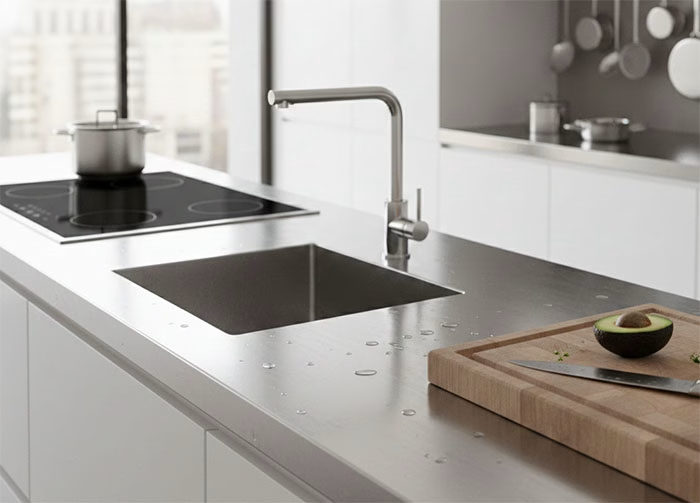
In food service environments, cleanliness isn’t just important—it’s essential. Whether you’re running a busy restaurant, a food truck, or a catering business, maintaining a hygienic space is crucial to preventing contamination and ensuring the safety of your customers. When it comes to choosing materials for food preparation areas, stainless steel is one of the best options available. Known for its durability, ease of cleaning, and resistance to bacteria, stainless steel is the material of choice in commercial kitchens around the world. Here’s why it’s an ideal choice for food safety and hygiene, and how it can help keep your kitchen spotless and efficient.
The Hygiene Benefits of Stainless Steel
Stainless steel stands out in food preparation areas because of its non-porous surface. Unlike wood, plastic, or other materials, stainless steel does not absorb moisture, food particles, or bacteria. This makes it a superior option for environments where cleanliness is paramount. Food prep surfaces made from stainless steel can be easily wiped down and disinfected, ensuring that harmful bacteria such as E. coli or Salmonella are not lurking on your countertops.
In a busy kitchen, where food is constantly being prepared and served, the risk of cross-contamination is always present. Stainless steel’s smooth, non-porous surface reduces the chances of contamination by preventing food debris and liquids from penetrating the surface. This makes it an easy material to clean, ensuring that your kitchen remains hygienic at all times.
Durability and Long-Term Value
When it comes to commercial kitchens, durability is key. Stainless steel is known for its toughness, and its ability to withstand heavy use makes it a great investment. The material is resistant to rust, stains, and corrosion, which means it will continue to look great and function well for many years. In a high-traffic area like a food prep space, surfaces are exposed to constant wear and tear. From sharp knives and heavy kitchen equipment to frequent cleaning, the material needs to be able to withstand all of this without degrading.
Using a sheet of stainless steel in areas like countertops, shelving, and wall panels ensures that your kitchen’s infrastructure remains strong and durable. Stainless steel can handle high temperatures, making it suitable for ovens, grills, and other cooking appliances that operate at extreme temperatures. Whether you’re chopping, stirring, or plating, stainless steel surfaces are built to last and maintain their functionality over time.
Easy to Clean and Maintain
One of the biggest advantages of using stainless steel in food prep areas is how easy it is to clean and maintain. In a busy kitchen, where efficiency is everything, time is precious. Stainless steel surfaces can be cleaned with just a simple wipe-down, using mild soap and warm water. For tougher stains or grime, there are specialized cleaners designed for stainless steel that can restore the material to its original shine.
Unlike wood or plastic surfaces, stainless steel won’t retain odors or stains. You can safely prepare raw meat, vegetables, and other food ingredients on stainless steel without worrying about lingering smells or contamination. For added protection, many commercial kitchens use stainless steel to cover large work areas, ensuring that food is always prepared in the cleanest environment possible.
Stainless Steel’s Resistance to Bacteria and Contamination
Bacteria can spread quickly in a kitchen if surfaces are not properly sanitized. Stainless steel helps to prevent the growth of bacteria, making it a hygienic choice for food prep areas. Its non-porous surface provides no place for bacteria to hide, unlike wood, which can harbor bacteria in its pores. This makes stainless steel one of the best materials for maintaining a safe and hygienic environment.
In a kitchen, where different food types are prepared simultaneously, preventing cross-contamination is essential. Stainless steel surfaces are resistant to most common bacteria and are easy to disinfect after each use, making them ideal for high-risk food prep areas, such as those where raw meats or seafood are handled.
Versatility and Functionality in the Kitchen
In addition to its hygiene benefits, stainless steel is incredibly versatile. It can be used in a variety of kitchen applications, from countertops and sinks to backsplashes and storage solutions. Stainless steel’s reflective surface helps to brighten up the space, making it appear cleaner and more open. This is especially important in smaller kitchens, such as food trucks, where maximizing space is critical.
Moreover, stainless steel’s aesthetic appeal adds to the overall ambiance of the kitchen. It creates a sleek, modern look that can be paired with other materials like wood or glass for a balanced design. Whether you’re designing a restaurant kitchen or outfitting a food truck, stainless steel fits seamlessly into any design scheme, giving your food prep area a professional, polished appearance.
The Role of Stainless Steel in Food Safety Compliance
In commercial kitchens, food safety regulations must be followed to the letter. Health inspections and audits are part of the everyday reality, and materials that make cleaning and maintenance easier help you stay compliant. Stainless steel is recognized by food safety standards worldwide as a safe and hygienic material for food prep areas. Its smooth, easy-to-clean surface meets health department requirements, ensuring that your kitchen remains compliant with food safety regulations.
Using sheet of stainless steel in your kitchen also helps with long-term safety. Stainless steel doesn’t degrade over time, meaning there’s less risk of materials breaking down and becoming unsafe. This is especially crucial for food trucks, where mobility and space constraints can often make it harder to keep everything in tip-top condition. With stainless steel, the material you choose for your food prep areas is not just practical but helps ensure that your food truck or restaurant meets industry standards for hygiene and safety.
Cost-Effectiveness in the Long Run
While stainless steel may have a higher upfront cost compared to some other materials, it is a smart investment in the long run. The durability and low-maintenance nature of stainless steel mean that you won’t need to replace surfaces frequently. Over time, it’s far more cost-effective than materials that may need to be repaired or replaced due to wear and tear.
In a commercial kitchen, where time is money, choosing stainless steel allows you to minimize downtime and keep operations running smoothly. The time saved on cleaning and maintenance translates into more time spent focusing on your customers and delivering a great food experience.
Conclusion
Stainless steel is the ideal choice for food prep areas due to its durability, ease of cleaning, and resistance to contamination. Whether you’re outfitting a restaurant kitchen, a food truck, or a catering business, stainless steel provides a hygienic, long-lasting solution that helps maintain food safety standards while offering a modern, professional look. By using a sheet of stainless steel for countertops, sinks, or backsplashes, you’ll ensure that your kitchen remains functional, safe, and easy to maintain. Investing in stainless steel is not just about looks—it’s about creating a space that supports cleanliness, efficiency, and food safety in the long term.