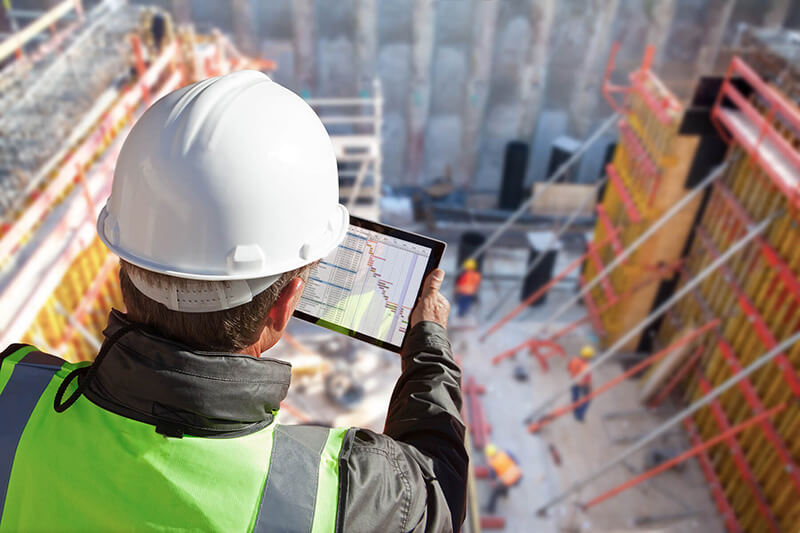
Construction professionals can create more efficient structures by using the latest technology. Anyone with sustainable goals for their clients’ projects should consider using adaptive building tech. The advancing resources are leading the next wave of predictable structures and could redefine how eco-friendly properties work long before they are ready for clients to use.
Ways Smart Tech Is Improving Buildings
Researchers with Elsevier note that advanced technologies help the construction industry become more efficient and sustainable when people have access to new tools. While global access is an ongoing challenge, many teams can find equipment that transforms how they construct smarter buildings. Eco-friendly plans are easier when construction professionals use resources such as:
- Artificial Intelligence (AI) designs: Expert design teams consult AI programs to simulate how their finished project will perform under varying conditions. The data reveals whether their current designs will be as sustainable as they intend.
- Internet of Things (IoT) sensors: Construction crews are adding wireless sensors to materials while they build. The sensors continuously monitor the structure’s health, so property owners can quickly fix issues like warping or strain.
- Digital twins: Drones and laser scanners help construction teams bring their projects to life and monitor them digitally. As they update the twins with real-time progress, they can catch errors and modify their designs to keep sustainable builds on track.
Adaptive building technology gives crews more information during and after construction so they know their plans are as eco-friendly as intended. Making the industry greener will be easier once more professionals understand the resources available for their upcoming projects.
Examples of Adaptive Building Tech Usage
The following case studies, in which adaptive building technologies led to successful projects, could inspire teams to leverage new resources to advance their sustainability goals.
1. AI
Structures created with AI can become safer and more eco-friendly, depending on the technology’s purpose. AI in add-on features like smart locks or garage door openers even saves people from costly repairs with preventive maintenance schedules. When implemented during the design phase, AI can also ensure that every construction crew’s plans are sustainable.
Experts constructing the Sustainability and Resilience Building for the National University of Singapore used an AI-powered program to model their plans. Architects constructed their structure within the platform and ran tests to make more informed design decisions. The AI helped them revise their plans until the building generated 6% more energy in the long term, making it better for the planet than it would have originally.
2. IoT Sensors
Teams can also use IoT sensors when construction work begins. Embedding them within some materials can help experts monitor the property’s structural integrity. After clients begin using the site, they can access the same platforms to take over monitoring responsibilities.
Sustainably minded industry leaders used IoT tools to build the E11even Hotel & Residences in Miami. They installed tiny sensors within the structure’s concrete flooring as they built, allowing them to gain real-time visibility. They could easily monitor strength development and temperature fluctuations in the higher floors, ensuring that their building remained safe to use even in Miami’s hot climate.
3. Digital Twins
The WellStar Paulding Hospital in Hiram, Georgia, is a more eco-friendly facility because the construction crew used a digital twin throughout construction. Laser scanners regularly analyzed their real-world progress and updated the digital recreation with the data. Team members could forecast where they would place prefabricated materials to streamline the building process. Their work became more efficient, preventing project delays and additional carbon emissions from using large equipment longer.
Anticipate a Future of Greener Buildings
Anyone interested in predictive structures and sustainable property designs should learn more about adaptive building technologies. The advanced resources can make any crew’s work better for the planet. The best options will depend on each company’s project-specific goals.