Outdoor infrastructure depends on reliable equipment protection. Electrical controls, utility systems, pumps, meters, telecoms equipment and monitoring systems all need to be housed securely, especially when they are installed in exposed environments.
For construction, utility and infrastructure projects, GRP is a practical material choice. GRP stands for Glass Reinforced Plastic, a strong composite material used to manufacture cabinets, enclosures and kiosks for outdoor equipment housing.
Its combination of durability, corrosion resistance, weather protection and low maintenance makes it suitable for a wide range of demanding environments.
Why Outdoor Equipment Needs Proper Housing
External equipment can be exposed to rain, wind, frost, UV, dust, impact and unauthorised access. On construction sites, the risk can be even higher because of moving machinery, temporary works, deliveries and multiple trades operating in the same area.
If equipment is not properly protected, it can lead to downtime, safety concerns, repair costs and operational disruption.
The purpose of external housing is simple: protect the equipment, keep it accessible and ensure it can continue to operate reliably.
GRP Cabinets for Smaller Equipment
GRP cabinets are commonly used for smaller external equipment installations. They are suitable for electrical equipment, meters, controls, telecoms systems and site infrastructure where weather-resistant housing is required.
One of the main advantages of GRP cabinets is that they provide secure protection without the corrosion issues often associated with metal alternatives.
They are often used across:
- Utility sites
- Commercial developments
- Industrial estates
- Roadside locations
- Housing developments
- Construction compounds
- External plant areas
Because GRP is lightweight as well as strong, cabinets can be easier to handle and install compared with some heavier materials.
GRP Enclosures for Bespoke Infrastructure Requirements
Not every project can be solved with a standard cabinet. Some installations require a larger or more specific housing solution, especially where the equipment has unusual dimensions or needs particular access arrangements.
This is where GRP enclosures can be useful.
Bespoke enclosures can be designed around the equipment being housed, taking into account internal space, ventilation, door access, locking requirements, cable entry points and maintenance needs.
This makes them suitable for infrastructure projects where standard products may not provide the right fit.
GRP Kiosks for Larger Equipment Housing
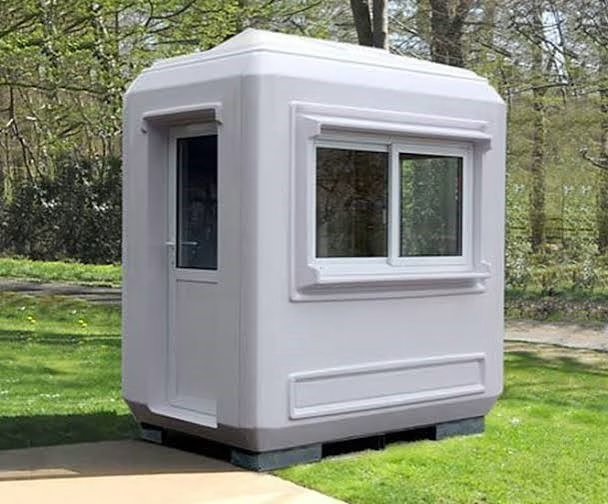
For larger infrastructure requirements, GRP kiosks provide more internal space and easier access for maintenance teams. They are often used where equipment needs to be protected inside a walk-in or large-format housing solution.
Typical applications include:
- Pump housing
- Utility infrastructure
- Electrical control systems
- Instrumentation
- Rail and highways equipment
- Water treatment equipment
- Monitoring systems
High-quality GRP kiosks are useful when a project needs a robust housing solution that can accommodate larger equipment while still offering weather protection and security.
Why GRP Works Well Outdoors
GRP is widely used in outdoor environments because it solves several common problems associated with external equipment housing.
Corrosion Resistance
Metal cabinets and housings can corrode over time, especially in coastal, industrial or roadside environments. GRP does not rust, which makes it suitable for exposed and long-term installations.
Weather Resistance
Outdoor equipment must be protected from rain, moisture, UV exposure and changing temperatures. GRP products are designed to provide reliable protection when correctly specified and installed.
Low Maintenance
A low-maintenance housing solution can reduce long-term costs. GRP does not usually require the same level of repainting or rust treatment as some traditional materials.
Electrical Safety
GRP is non-conductive, which can be a useful material advantage when housing electrical equipment. Electrical installations still need to be completed by qualified professionals, but the housing material itself can support safer external equipment protection.
Lightweight Strength
GRP is strong but relatively lightweight. This can make transport, positioning and installation easier, particularly on sites with restricted access.
Choosing the Right GRP Product
The right product depends on the project requirements.
A GRP cabinet may be suitable for smaller equipment. A bespoke GRP enclosure may be better where the equipment needs a specific internal layout. A GRP kiosk may be required where larger equipment, regular access or more internal space is needed.
Before specifying a product, contractors and engineers should consider:
- Equipment dimensions
- Access requirements
- Ventilation
- Cable entry
- Security
- Site exposure
- Base and fixing requirements
- Maintenance access
- Future equipment changes
The earlier these factors are considered, the easier it is to choose a housing solution that supports the long-term performance of the project.
Installation Is Just as Important as Specification
A well-made GRP product still needs to be installed correctly. The base should be suitable, the unit should be securely fixed, and drainage and cable entry should be planned properly.
Poor installation can create problems later, including water ingress, access difficulties or unnecessary maintenance issues.
For infrastructure projects, proper installation helps ensure the housing performs as expected throughout its service life.
Final Thoughts
GRP cabinets, enclosures and kiosks all play an important role in protecting outdoor infrastructure.
Cabinets are suitable for smaller equipment, enclosures provide flexibility for bespoke requirements, and kiosks offer larger-scale housing for utility and infrastructure applications.
For construction and infrastructure teams, GRP provides a practical balance of strength, weather resistance, corrosion resistance and low maintenance. When specified and installed correctly, it can help protect critical equipment and reduce long-term operational risk.