The modern construction industry can be volatile as compressed schedules, material cost increases and supply chain disruptions persist. Operational agility can be the key to surviving and thriving in this environment.
The True Cost of Operational Inflexibility
As profitable and dynamic as the construction industry may be, it can also be relatively rigid in a dynamic market. Owning too many assets or relying on static processes leads to wasted capital, creating idle assets and project delays during breakdowns.
That reduction in funds can render you unable to bid on diverse projects. Contractors find themselves locked into narrow project types simply because their owned equipment limits their flexibility. Even essential resources like utility trailers for jobsite equipment become liabilities when owned rather than rented on demand.
Why Agility Is the New Benchmark for Competitiveness
Operational agility allows contractors to scale operations up or down quickly without massive capital investment. This flexibility protects profit margins and allows firms to take on a wider variety of jobs.
It’s also central to most business models, as it enables contractors to respond to turbulent markets accurately and rapidly. Companies that can adapt to changing conditions maintain steadier work pipelines and stronger client relationships.
Key Drivers of Operational Agility on the Jobsite
Here are the core reasons an agile jobsite is necessary.
- Responsive resource allocation: Getting equipment only when needed eliminates the carrying costs of owned assets. You can match tools precisely to each project’s requirements.
- Minimizing downtime: Rapid swaps for broken equipment keep projects on schedule. Service providers can provide timely deliveries of replacement units rather than waiting for repairs.
- Strategic partnering: Leveraging vendor capabilities gives you access to specialized equipment and expertise. These relationships provide flexibility that ownership can’t match.
4 Solutions for Enhancing Operational Agility
Enhancing operational agility requires specific tools, equipment and rentals. Here are several suggestions that can help.
1. Utility Trailer Rental for Jobsite Equipment
There are numerous operational advantages to using a utility trailer for jobsite equipment, from matching the exact trailer to the specific job without a long-term commitment to avoiding operational downtime. Renting this machinery can also be ideal to eliminate a variety of expenses, such as long-term capital investments, storage fees and maintenance costs.
Herc Rentals is an equipment rental partner serving primarily commercial and industrial customers with heavy equipment, tools, specialty equipment and jobsite solutions. It offers utility trailer rental for jobsite equipment, with delivery and pickup services available for an additional cost. Its machines undergo diagnostic and preventive maintenance after every rental.
2. Digital Fleet Management Platforms
Digital platforms can provide real-time visibility into asset location and utilization, allowing managers to reroute resources instantly. These systems reduce wasted time searching for equipment and improve overall fleet efficiency.
Geotab is a telematics solutions provider that offers features such as engine diagnostics and data analytics to improve fleet management. Dashboards are customizable, allowing contractors to pull up information most important to them.
3. Modular Storage Solutions
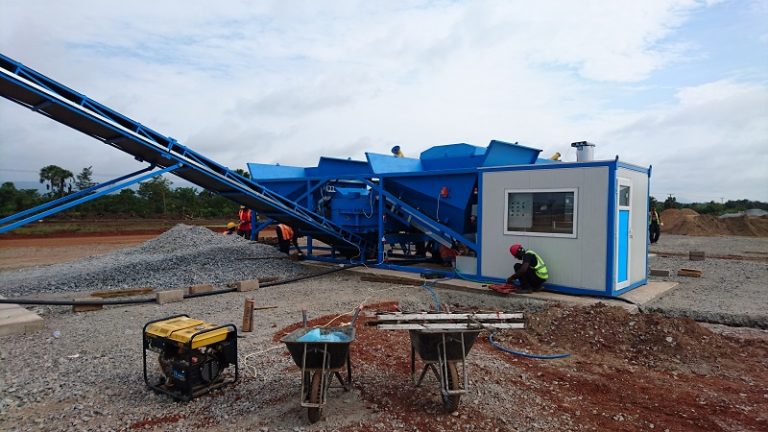
Scalable, portable storage allows sites to expand or contract their footprint based on immediate material needs without pausing operations. This adaptability is particularly valuable when project scopes change or material deliveries arrive ahead of schedule.
Prefabex is a construction-site container manufacturer that can design and deliver modular solutions for industrial sites and remote locations. Layouts are customizable to maximize protection for your materials and meet operational needs.
4. Portable Power Generation
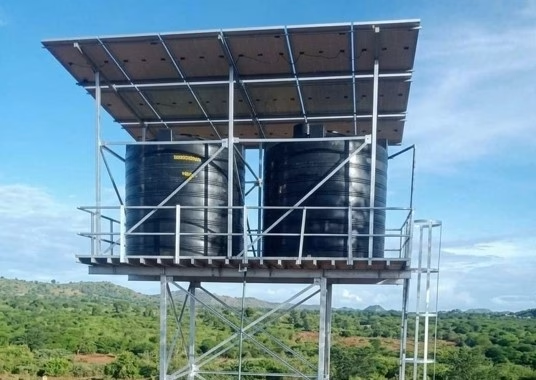
Portable power solutions allow contractors to operate in remote areas or adapt to changing site layouts without waiting for permanent grid connections. This independence accelerates project timelines and reduces reliance on utility providers.
Yoshino Power delivers high-capacity energy storage solutions that meet the demands of construction sites. Its stations utilize renewable energy sources to minimize reliance on fossil fuels and promote eco-friendly operations.
Frequently Asked Questions
Here are answers to commonly asked questions about operational agility.
How does equipment rental improve cash flow?
Rental eliminates long-term capital investments that tie up funds. You avoid storage fees for idle equipment and maintenance costs for owned assets. This frees capital for other operational needs.
What is the biggest barrier to operational agility?
Owning too many static assets and rigid processes creates inflexibility. These factors prevent contractors from responding quickly to new opportunities.
How quickly can an agile contractor scale operations?
Using rental partners for items like utility trailers and power equipment can help you scale up for a new job without waiting to purchase equipment. Delivery timelines vary by provider.
Staying Competitive in a Dynamic Market
Operational agility is the dividing line between contractors who struggle with market volatility and those who thrive. Building an agile ecosystem with the right solutions can help companies survive in the competitive construction industry.