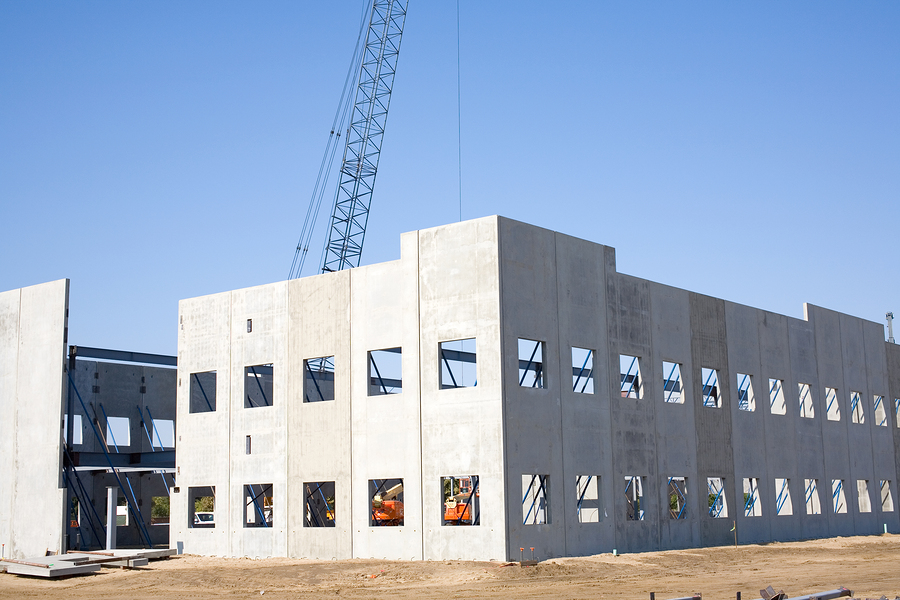
Every construction project lives or dies by its ability to stay on schedule and keep costs in check. When timelines slip, budgets rarely follow the intended plan. That reality has pushed many project teams to rethink how major builds come together, particularly across large infrastructure works.
Within civil construction, precast concrete has gained steady traction as a practical way to tighten programs, control quality, and avoid costly surprises. By shifting critical work off-site and into controlled conditions, it introduces a level of certainty that traditional methods often struggle to match.
Why Off-Site Manufacturing Changes Project Timelines
Precast concrete flips the usual sequence of construction. Instead of waiting for formwork, pours, and curing to happen on site, key elements are produced elsewhere while groundwork continues. That parallel workflow alone can shave weeks off a program.
Because components arrive ready for placement, installation becomes far more predictable. Crews lift, position, secure, and move on. There is less downtime waiting on trades, fewer weather delays, and less dependency on perfect site conditions. For projects running in tight corridors or busy environments, that reliability makes scheduling far easier to manage and defend.
Reducing On-site Complexity and Coordination Pressure
Traditional builds demand constant coordination between multiple trades working in the same space. Every handover introduces risk. Precast construction simplifies that equation.
With fewer activities happening simultaneously on site, congestion drops. So does the likelihood of clashes, rework, or last-minute adjustments. Project managers gain clearer visibility over daily progress, and site teams can focus on installation rather than problem-solving. The result is a calmer, more controlled site that runs closer to plan.
Minimising Environmental Disruption and Waste
Off-site manufacturing brings environmental advantages that extend beyond the factory gates. With fewer deliveries, less waste, and shorter site durations, surrounding areas experience less disruption.
Material usage is typically more efficient, and excess concrete can often be recycled within the production process. Cleaner sites are easier to manage and leave a smaller footprint, an important consideration as sustainability expectations continue to rise across the industry.
Improving Safety When on the Ground
Construction safety improves when risk is designed out rather than managed reactively. Precast systems help achieve that by removing many high-risk tasks from the site environment.
Less formwork, reduced working at heights, and fewer manual handling requirements all contribute to safer conditions. With simpler installation processes, crews spend less time exposed to hazards. That benefits not only workers, but also project owners who are increasingly focused on safety outcomes as a measure of success.
Consistency and Quality Achieved Under Controlled Conditions
Factory production offers a level of control that is difficult to replicate outdoors. Temperature, curing time, reinforcement placement, and finishes are all closely monitored. That consistency shows up in the final product.
Uniform components fit together as intended, reducing the need for adjustments during installation. Testing and inspection are also easier to standardise, giving engineers greater confidence in structural performance. This translates into fewer defects and lower maintenance demands.
The True Cost Beyond Materials
At first glance, precast elements can appear more expensive than in situ alternatives. That comparison rarely tells the full story. Labour, time, and risk all carry a price tag, even if they are not listed on an invoice.
Shorter construction periods reduce preliminaries, site supervision costs, and temporary works. Fewer delays mean fewer variations and less exposure to escalation. When those factors are accounted for, total project costs often tip in favour of precast solutions, particularly on large or complex builds.
Final Thoughts
Precast concrete is not a shortcut. It is a strategic choice that rewards careful planning and early coordination. When integrated properly, it supports faster delivery, stronger cost control, and dependable quality.
As infrastructure projects grow in scale and complexity, methods that reduce uncertainty become invaluable. Precast construction offers a way forward that aligns practical efficiency with long-term performance, helping projects reach completion with fewer surprises and stronger outcomes overall.