Interior Waterproofing in Canada: The Hidden Battle Beneath Your Home
Canada’s climate is admired for its diversity, but that same diversity creates persistent challenges for residential foundations. From prolonged winter freezes to sudden spring thaws and heavy seasonal rainfall, homes across the country endure constant pressure from the ground that surrounds them. Much of this stress remains invisible until it manifests as moisture intrusion, basement leaks, or structural deterioration.
Interior waterproofing addresses these challenges from inside the home, providing a controlled solution when external conditions allow water to penetrate foundation walls. What may begin as a faint damp spot or a hairline crack can evolve into mold growth, damaged finishes, and compromised indoor air quality if left untreated. This is often the stage at which homeowners seek guidance from specialists.
How Seasonal Changes Affect Foundations
Canadian foundations experience a cycle of expansion and contraction year after year. During winter, moisture within the soil freezes and expands, exerting pressure against foundation walls. In spring, the same soil thaws and settles unevenly, often leaving small gaps where water can collect and migrate inward.
In regions such as Ontario and Quebec, deep frost penetration intensifies this process. Meanwhile, areas with heavy rainfall or high water tables face sustained hydrostatic pressure that pushes moisture toward the weakest points in the structure. Over time, even well-built foundations can develop vulnerabilities under these conditions, prompting homeowners to consult experienced providers for professional assessment.
Identifying Early Warning Signs
Many homeowners overlook the subtle indicators of water intrusion. White powdery deposits on basement walls, musty odors, peeling paint, or minor floor dampness are often dismissed as cosmetic issues. In reality, these symptoms frequently point to deeper moisture problems within the foundation.
Cracks vary in severity and implication. Vertical cracks may form due to natural settling, while horizontal or stair-step cracks often indicate significant lateral pressure. Accurate diagnosis is critical, as sealing the wrong type of crack without proper drainage can worsen the problem rather than resolve it.
Interior Waterproofing as a Strategic Solution
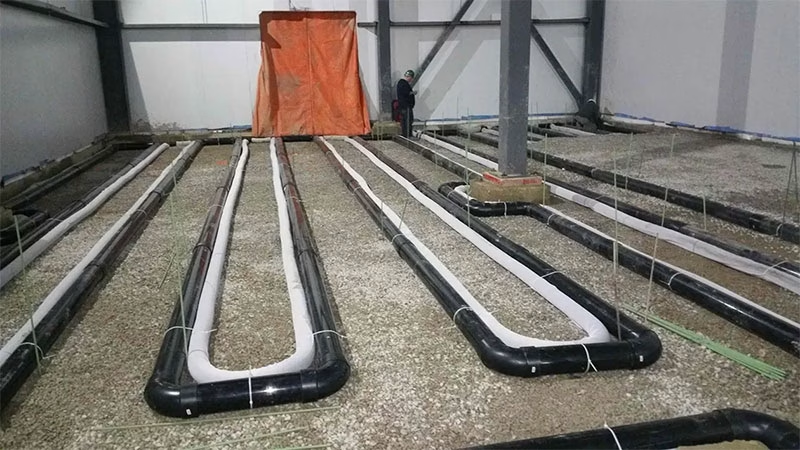
Interior waterproofing systems are designed to control water once it enters the foundation wall. This typically involves directing moisture into interior drainage channels and safely away from the living space. Sump systems, perimeter drains, and crack injection methods work together to prevent water accumulation.
Services such as interior waterproofing toronto are especially relevant in dense urban environments, where exterior excavation may be limited by property boundaries or surrounding infrastructure.
Long-Term Protection and Indoor Health
Moisture intrusion affects more than concrete and framing. Damp environments promote mold growth, which can impact respiratory health and reduce overall indoor comfort. Over time, persistent humidity also degrades insulation, increasing energy costs and reducing temperature stability within the home.
By managing moisture at the foundation level, interior waterproofing contributes to healthier living conditions and more predictable maintenance costs.
Planning for Resilience
Canadian homes vary widely in age, construction method, and soil conditions, but they all share one reality: seasonal stress is unavoidable. Effective waterproofing is not about eliminating moisture entirely – it’s about controlling how and where it moves.
Regular inspections, timely repairs, and strategic waterproofing measures form a layered defense against water damage and structural deterioration.
Conclusion
Interior waterproofing plays a vital role in protecting Canadian homes from the long-term effects of moisture and seasonal pressure. By addressing water intrusion early and managing it effectively, homeowners can preserve structural integrity, improve indoor health, and avoid escalating repair costs.
You may not be able to control Canada’s seasons, but with the right waterproofing strategy, you can control how your home responds to them – quietly, effectively, and for years to come.