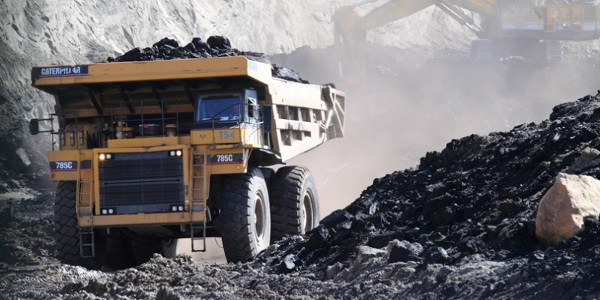
In the rugged and demanding world of mining, the proper maintenance of equipment is crucial to ensure operational efficiency and longevity. From colossal vehicles to intricate machinery, every piece requires dedicated attention. Notably, drill rig underground equipment plays a vital role in maintaining production targets in subterranean environments. Effective maintenance not only extends the lifespan of such equipment but also enhances safety and reduces operational costs.
Understanding the Importance of Regular Inspections
Regular inspections are the cornerstone of effective maintenance. These inspections help detect wear and tear, identify potential defects, and prevent minor issues from evolving into costly repairs. By establishing a routine inspection schedule, operators can rigorously assess key components and ensure they function at optimal capacity. This proactive approach enables early detection of issues, allowing for timely interventions that avert unscheduled downtimes.
Implementing a Preventive Maintenance Programme
A preventive maintenance programme is a structured approach designed to preserve and enhance equipment reliability. Instead of waiting for a machine to break down, preventive maintenance schedules routine checks, lubrication, and timely part replacements. This foresight reduces the risk of sudden failures and ensures all parts work harmoniously. Eventually, this leads to extended equipment life, reduced downtime, and more efficient use of resources.
Training and Accountability in Maintenance Practices
Equipping the workforce with proper training is indispensable for successful maintenance practices. Regular training sessions ensure that technicians and operators understand both routine and advanced maintenance protocols. Skilled personnel can execute maintenance tasks more efficiently, detect anomalies at an early stage, and apply the appropriate corrective actions promptly. Moreover, fostering a culture of accountability makes sure that everyone involved recognises their role in the maintenance ecosystem, thereby enhancing the collective responsibility for equipment performance.
Investing in Quality Spare Parts and Tools
The quality of spare parts and tools directly affects the maintenance process. Using substandard parts can compromise equipment integrity and lead to premature failures. It’s imperative to source high-quality components, ideally from verified suppliers, tailored for specific machinery. Investing in quality not only ensures seamless operation but also adheres to safety standards. Furthermore, having a well-stocked inventory of parts ensures quicker replacements, minimising potential downtimes.
Leveraging Technology to Enhance Maintenance
Advancements in technology, such as the Internet of Things (IoT) and data analytics, have revolutionised maintenance practices. Smart sensors and monitoring systems provide real-time data on equipment health, enabling predictive maintenance strategies. By processing data insights, companies can predict failures before they occur, thereby scheduling timely interventions. Embracing such technological solutions not only increases equipment uptime but also optimises labour and maintenance costs. Furthermore, digital platforms can host maintenance records, making it easier to analyse trends and make informed decisions.
Effective maintenance practices are indispensable for extending the lifespan of mining equipment. By focusing on regular inspections, preventive maintenance, operator training, the use of quality parts, and the incorporation of technology, mining companies can ensure the sustained performance of their equipment. These strategies not only safeguard significant financial investments but also promote safer and more efficient mining operations, ensuring the industry remains robust and productive.