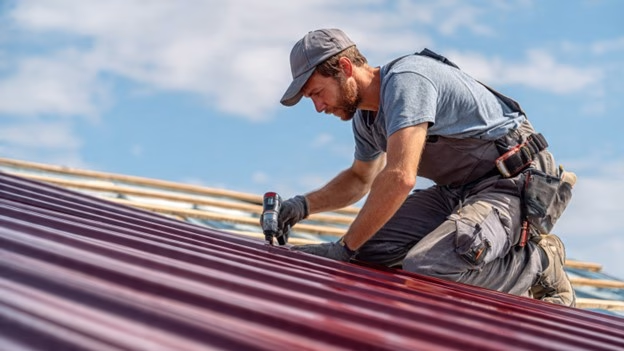
Selecting the right roofing system is a critical decision for commercial and industrial projects, particularly in regions like San Diego, where environmental conditions can directly impact building performance and long-term costs. While upfront pricing often drives initial choices, focusing solely on installation expenses can overlook the broader financial picture. Factors such as durability, maintenance requirements, and energy efficiency play a significant role in determining the true value of a roofing system over time.
In recent years, metal roofing has gained traction across Southern California as a reliable solution for buildings exposed to coastal air, high solar heat, and seasonal weather fluctuations. This article explores the cost versus value of metal roofing, helping property owners, developers, and contractors in San Diego make informed decisions based on long-term performance rather than short-term savings.
Understanding Metal Roofing
Metal roofing is a durable and adaptable solution designed to meet the demands of modern commercial and industrial construction. Common materials include steel, aluminum, zinc, and copper, each offering distinct advantages in terms of strength, corrosion resistance, and overall lifespan. These systems are widely used in large-scale facilities due to their ability to perform consistently under demanding conditions.
In coastal environments like San Diego, material selection becomes especially important. Aluminum and coated steel are often preferred because they provide strong resistance to salt air corrosion and prolonged sun exposure—two factors that can accelerate the deterioration of traditional roofing materials. As a result, metal roofing systems are well-suited for warehouses, manufacturing plants, and commercial buildings operating near the coast.
Modern metal roofing systems are also engineered with performance-enhancing features such as protective coatings, interlocking panels, and reflective finishes. These elements help improve weather resistance, reduce heat absorption, and extend the overall lifespan of the roof. Industry resources such as https://www.sw-metalroofing.com/ highlight how proper installation and material selection are essential to achieving long-term performance.
Compared to conventional roofing options like asphalt or built-up roofing, metal systems generally require less maintenance and offer greater resistance to leaks, cracking, and environmental wear, making them a practical choice for long-term applications.
Upfront Costs of Metal Roofing
One of the primary considerations when evaluating metal roofing is the initial installation cost. For commercial and industrial buildings, metal roofing systems typically range from $7 to $12 per square foot, depending on factors such as material type, project scale, and structural complexity. While this cost is generally higher than traditional roofing options, it reflects the durability and performance benefits that metal systems provide.
Several variables influence the total upfront investment. Roof size and design complexity play a significant role—larger structures or roofs with multiple penetrations, slopes, or integrated systems require more materials and labor. Material choice also impacts cost; aluminum and coated steel are commonly used for their balance of performance and affordability, while premium options like copper or zinc can significantly increase the price.
In regions like San Diego, local labor rates, building codes, and environmental considerations may further affect installation costs. Additional features such as reflective coatings, insulation layers, or corrosion-resistant finishes can also raise initial expenses but are often included to enhance long-term performance.
Although metal roofing involves a higher upfront investment, understanding these cost factors is essential when evaluating its overall value within the broader lifecycle of a commercial or industrial building.

Long-Term Value and Benefits
The long-term value of metal roofing is where it clearly distinguishes itself from traditional roofing systems. One of its most significant advantages is lifespan. Metal roofs can last 40 to 70 years, while conventional asphalt systems typically last only 15 to 30 years, providing a substantial durability advantage for commercial and industrial buildings. Studies comparing metal and asphalt roofing systems, such as those published by This Old House, show that metal roofs generally outperform asphalt in both longevity and maintenance requirements.
Maintenance savings are another key benefit. Metal roofs are highly resistant to common issues such as cracking, warping, and water infiltration, which are often seen in traditional materials over time. This durability reduces the frequency of repairs and helps minimize operational disruptions—an important factor for facilities that rely on consistent, uninterrupted operations.
Energy efficiency also plays a major role in the overall value of metal roofing, particularly in warm climates like San Diego. Reflective coatings and finishes help reduce heat absorption, allowing buildings to maintain more stable indoor temperatures and lowering the demand for air conditioning. Over time, this can lead to noticeable reductions in energy costs, especially for large commercial or industrial spaces.
In addition to performance benefits, metal roofing can contribute to increased property value and improved insurability. Its fire-resistant properties and structural strength often result in lower insurance premiums, while its long lifespan enhances the overall value of the building as a long-term asset.
Taken together, these factors demonstrate that while metal roofing may require a higher initial investment, its durability, efficiency, and reduced maintenance needs make it a cost-effective solution over the lifespan of the building.
Cost vs. Value Analysis
When comparing roofing systems for commercial and industrial buildings, it is important to evaluate not just the initial cost, but the total cost of ownership over time. While traditional materials such as asphalt may appear more affordable upfront, their shorter lifespan and higher maintenance requirements often result in greater long-term expenses.
For instance, an asphalt roof installed at a lower initial cost may need replacement within 15 to 20 years. Over a 40-year period, this could mean two or even three full replacements, along with ongoing repair and maintenance costs. In contrast, a metal roofing system installed once can continue performing reliably for decades with minimal upkeep, significantly reducing lifecycle expenses.
Energy savings further strengthen the value proposition of metal roofing. In climates like San Diego, where cooling demands are high for much of the year, reflective metal roofs can help reduce energy consumption by lowering indoor temperatures. These savings, when accumulated over time, can offset a portion of the initial installation cost.
Ultimately, when all factors are considered—including durability, maintenance, and energy efficiency—metal roofing often delivers a stronger return on investment. For property owners and developers, this makes it less of a short-term expense and more of a strategic, long-term financial decision.
When Metal Roofing Makes the Most Sense
Metal roofing is particularly well-suited for commercial and industrial buildings operating in demanding environments. In San Diego, factors such as coastal moisture, salt air exposure, and high solar radiation can accelerate the deterioration of traditional roofing materials, making durability a key consideration.
Facilities such as warehouses, distribution centers, manufacturing plants, and office complexes benefit from the strength and longevity of metal roofing systems. These types of buildings often require consistent performance with minimal maintenance, as frequent repairs or replacements can disrupt operations and increase costs.
Metal roofing also makes the most sense for projects with a long-term investment horizon. Property owners who plan to hold or operate a building for decades are more likely to benefit from the reduced lifecycle costs and improved energy efficiency that metal systems provide.
By aligning roofing choices with environmental conditions, building use, and long-term financial goals, decision-makers can determine when metal roofing offers the greatest overall value.
Conclusion
Metal roofing offers a compelling balance between upfront cost and long-term value for commercial and industrial buildings. While the initial investment may be higher compared to traditional roofing materials, its extended lifespan, reduced maintenance requirements, and energy efficiency contribute to significant savings over time.
In regions like San Diego, where environmental factors such as sun exposure, coastal air, and temperature fluctuations can impact building performance, metal roofing provides a durable and reliable solution that supports long-term operational efficiency. For property owners and developers, evaluating roofing options through the lens of lifecycle cost rather than initial price can lead to more informed and financially sound decisions.