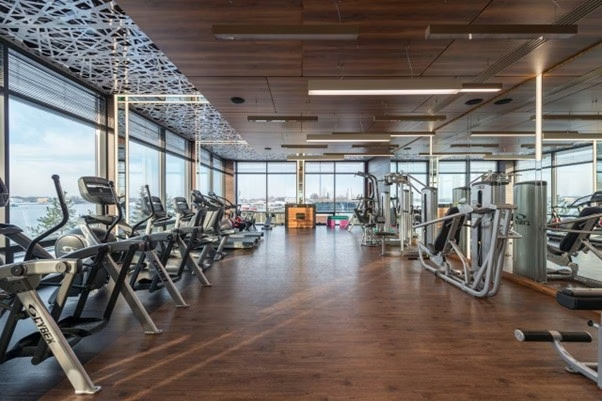
More athletes, gym owners, and health-conscious homeowners are building dedicated recovery spaces than ever before. Ice baths, saunas, and wellness rooms are no longer just luxuries reserved for professional sports facilities. People want these spaces at home, at their gyms, or on their commercial properties. Steel buildings have quietly become one of the smartest choices for housing these recovery setups and for good reason.
Why Steel Works So Well for Recovery Spaces
Steel buildings offer a level of design flexibility that most people don’t expect. You can customize the layout, insulation, ventilation, and interior finish to suit whatever recovery setup you have in mind. Whether you’re installing a cold plunge tank, a two-room Finnish sauna, or a full wellness studio, the structural shell of a steel building adapts to what you need.
Armstrong Steel Buildings provides pre-engineered steel structures that can be designed around specific interior requirements, including the moisture control, ventilation, and load-bearing demands that recovery spaces often call for.
Another reason steel works so well here is durability. Recovery rooms deal with high humidity from steam, condensation from cold baths, and fluctuating temperatures. Steel doesn’t warp, rot, or crack under those conditions, the way wood-framed structures sometimes do.
Setting Up an Ice Bath Room That Actually Functions
Cold water immersion has picked up serious momentum in wellness circles, and for good reason. Regular ice bath sessions are linked to faster muscle recovery, reduced inflammation, and improved mental resilience. Setting up a proper ice bath room, though, takes more than just dropping a tub in a spare room.
The space needs waterproofing on the walls and floors. Drainage has to be planned carefully so water doesn’t pool or seep into the structure. You also need enough clearance for a standard cold plunge tank, which typically runs between 4 and 6 feet long, plus safe walkway space around it.
Insulation is just as important here as it is in a sauna. You want to keep the room cold without burning through electricity running the chiller unit. A well-insulated steel structure with sealed panels makes thermal management much easier to achieve.
Lighting matters too. Many people prefer dim, calm lighting in their cold plunge rooms to help manage the mental side of the practice. Plan your electrical layout before the walls go up.
What Goes Into a Sauna That Performs
A sauna is probably the most common recovery room people add to steel buildings. Traditional Finnish saunas, infrared saunas, and steam rooms each have slightly different construction requirements, so knowing which type you want before you build saves a lot of headaches.
Traditional saunas run hot, usually between 150°F and 195°F, and use dry heat with occasional steam from pouring water over heated rocks. They need thick insulation, proper vapor barriers, and adequate ventilation so the heat stays inside while fresh air still circulates. Interior walls are typically lined with cedar or another heat-resistant wood that doesn’t off-gas at high temperatures.
Infrared saunas operate at lower temperatures, around 120°F to 140°F, and don’t require the same level of structural heat containment. They’re easier to retrofit into an existing space, which makes them popular for home wellness builds.
Steam rooms are the most demanding in terms of moisture management. They produce a lot of condensation, so walls, ceilings, and floors all need to be fully waterproofed. Tile or sealed concrete are common choice for steam room interiors.
Designing a Multi-Use Wellness Room
Not everyone wants to build separate rooms for each recovery modality. A thoughtfully designed multi-use wellness room can house a cold plunge, a sauna pod, and open floor space for stretching or breathwork, all within one steel structure.
The key to making this work is zoning. You don’t want steam drifting into the area where someone is doing a breathwork session, and you don’t want cold air from the plunge zone dropping the temperature in the sauna area. Simple wall partitions or sliding panels can create soft separation between zones without requiring full structural dividers.
Flooring choice matters across the whole space. Anti-slip, waterproof materials like sealed concrete, rubber tiles, or porcelain tile hold up well against water, temperature changes, and heavy foot traffic.
Ventilation, Humidity, and Air Quality (Don’t Skip This Part)
Recovery spaces create unique air quality challenges. Steam rooms and saunas pump humidity into the air constantly. Ice bath rooms generate condensation. If ventilation isn’t planned properly, you end up with mold, structural damage, and poor air quality that defeats the whole purpose of the wellness space.
Steel buildings can be outfitted with industrial-grade HVAC and ventilation systems that handle high humidity without breaking down. Dedicated exhaust fans, dehumidifiers, and fresh air intakes should all be factored into the build plan. Working with a contractor experienced in recovery facility construction helps make sure nothing important gets missed in this stage.
Getting Permits and Planning Ahead
Steel building recovery spaces are permanent structures, which means permits are usually required. Zoning laws vary depending on whether your build is residential, commercial, or agricultural. Electrical, plumbing, and HVAC work will all likely need inspections.
Starting the permit process early keeps your project timeline on track. Many prefabricated steel building companies can provide engineering drawings and load specifications that local building departments need for approval. Having those documents ready upfront speeds things up considerably.
Steel buildings give you a solid, adaptable foundation for recovery spaces that need to withstand heat, cold, humidity, and daily use. With smart planning around insulation, ventilation, and layout, you can build something that functions as well as anything found in a professional wellness facility.