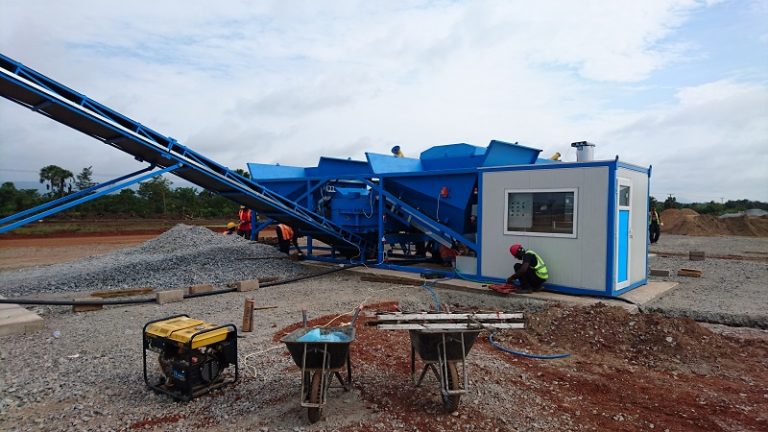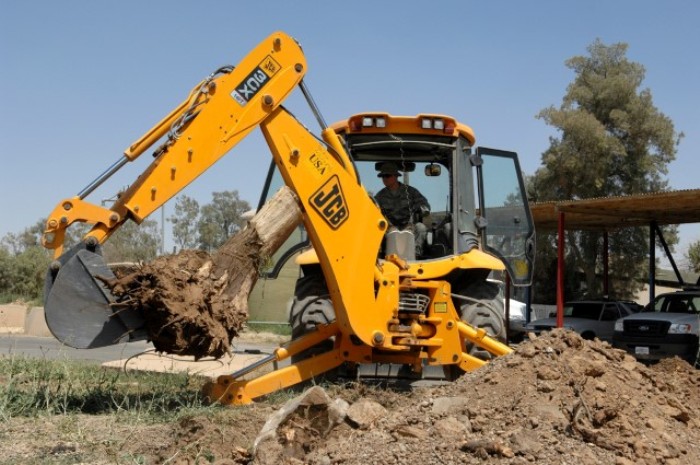
Construction companies own a lot of property that never stays put. Excavators, loaders, lifts, generators, and survey gear move between jobs every week. Records rarely keep up, and the gap costs money.
Equipment theft on construction and farm sites alone is estimated at $1 billion a year. That figure ignores downtime, rental replacements, and the accounting mess that follows a missing machine.
Most asset problems start with weak records, not weak security. Here is how to fix the records.
Why Asset Records Break Down on Job Sites
Assets are mobile. Projects are temporary. Ownership data lives in three places: accounting, the equipment yard, and the field. Each keeps its own list. The lists rarely match.
Common failure points include:
- Transfers between jobs with no recorded location change
- Equipment purchases coded to job cost instead of capitalized
- Rented and owned units sharing similar ID formats
- Disposals or trade-ins never reported to accounting
- Attachments and major components tracked as unnamed items
The result is ghost assets. The books show a machine that was sold two years ago. Depreciation keeps running. Property tax and insurance premiums keep getting paid on it.
Give Every Asset One ID and One Record
Assign a unique ID at purchase. Tag the asset the same week it arrives. Use barcode or RFID plates on tools and small equipment. Use telematics on heavy units. Link every tag or device to a single register entry.
Each register entry should hold:
- Acquisition date and vendor
- Full capitalized cost, including freight, setup, and modifications
- Useful life and depreciation method for book and tax
- Current location and assigned project code
- Custodian or site supervisor
- Serial number and warranty terms
Spreadsheets become difficult to control as asset volume grows. Version conflicts can develop, depreciation schedules may become inconsistent, and audit trails are harder to maintain. A structured system for managing fixed assets can keep cost basis, depreciation schedules, locations, and asset history connected in one place, giving accounting and operations a consistent set of records.
Set Clear Capitalization Rules
Write a policy and apply it the same way every time. Pick a dollar threshold. Many firms capitalize items above a set amount with a useful life over one year. Items below it become controlled tools. They get tagged but not depreciated.
Decide how to treat major components. An undercarriage wears out faster than the frame it sits on. Engines get rebuilt. Splitting them into components produces depreciation that matches real use.
Separate repairs from betterments. A hydraulic hose is an expense. A rebuild that extends service life may be capitalized. Document the test you use. Auditors will ask.
Keep Book and Tax Depreciation Separate
Book depreciation follows your financial reporting policy. Tax depreciation follows IRS rules. Most construction equipment falls into the five-year MACRS class. Section 179 and bonus depreciation elections add another layer.
Track each method per asset. Do not rebuild the numbers at year end from memory. When a machine is sold, the gain or loss differs between the books and the tax return. Clean records make that calculation quick.
Audit Physical Assets on a Schedule
Counts prove the register. Set the cycle by asset value:
- Quarterly for high-value heavy equipment
- Semiannual for attachments and generators
- Annual for tools and small gear
- At close-out for every asset assigned to a finished project
Scan tags and compare results to the register. Sort exceptions into two groups. The first is assets found but not recorded. The second is assets recorded but not found. Resolve each within a set number of days. Log the outcome.
Use Utilization and Cost Data
Register data becomes more useful when paired with hour meters and maintenance logs. Calculate cost per hour for each machine. Include depreciation, fuel, repairs, insurance, and transport. Compare that number to local rental rates.
Idle equipment ties up capital. A unit that runs 300 hours a year may cost more to own than to rent. Flag low-use assets each quarter. Decide whether to redeploy, sell, or retire them.
Start With the Register
Fix IDs first. Then set capitalization rules. Then schedule audits. Each step reduces errors in the next one. Asset management improves when the field, the shop, and accounting work from the same record.