Energy efficiency remains one of the most important priorities for industrial facilities seeking to reduce operating costs while improving equipment performance. Manufacturing plants, processing facilities, power generation sites, and commercial operations all rely heavily on steam systems to support critical operations. However, many organizations overlook one of the most common sources of energy waste within these systems: poorly maintained steam traps.
Steam systems are designed to transport thermal energy efficiently throughout a facility. When functioning properly, they provide reliable heat transfer, process control, and operational support. Unfortunately, even minor maintenance issues can significantly impact system performance, resulting in increased fuel consumption, higher utility costs, and unnecessary equipment wear.
The Importance of Steam Systems in Industrial Operations
Steam remains one of the most widely used energy sources in industrial environments. It plays a critical role in a variety of applications, including:
- Manufacturing processes
- Food production
- Chemical processing
- Pharmaceutical operations
- Heating systems
- Power generation
Because steam systems often operate continuously, even small inefficiencies can create substantial financial consequences over time.
Facility managers who prioritize preventative maintenance are often able to identify performance issues before they become major operational problems.
Understanding the Role of Steam Traps
Steam traps serve a vital function within any steam distribution network. Their primary purpose is to remove condensate, air, and other non-condensable gases while preventing the loss of valuable steam.
When steam traps function properly, they help maintain system efficiency and ensure consistent heat transfer throughout the facility.
However, steam traps are mechanical devices that experience wear over time. As components age, traps may fail either in the open position or the closed position. Both scenarios can create significant operational challenges.
A failed-open steam trap allows steam to escape continuously, resulting in energy waste and increased operating costs. A failed-closed trap can lead to condensate buildup, water hammer, corrosion, and reduced equipment performance.
Hidden Costs of Steam Trap Failures
One of the biggest challenges associated with steam trap failures is that they often go unnoticed for extended periods.
Unlike major equipment breakdowns, steam trap problems may not immediately disrupt production. Instead, they quietly reduce efficiency while increasing energy consumption.
Common consequences include:
- Increased fuel costs
- Reduced process efficiency
- Equipment damage
- Corrosion issues
- Higher maintenance expenses
- Reduced system reliability
For large facilities operating hundreds or even thousands of steam traps, the cumulative impact can be substantial.
Why Preventative Maintenance Matters
Many organizations have shifted toward preventative maintenance strategies to improve system reliability and reduce unexpected failures.
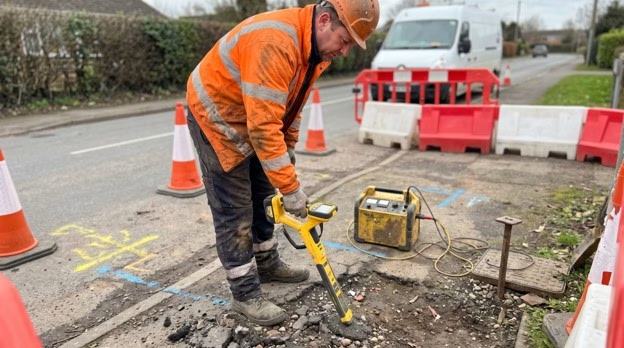
Routine inspections allow maintenance teams to identify steam trap problems before they create significant operational issues. Modern testing methods can quickly determine whether a trap is functioning properly and help prioritize repair efforts.
A proactive maintenance program typically includes:
- Scheduled inspections
- Ultrasonic testing
- Thermal analysis
- Performance monitoring
- Repair documentation
- Replacement planning
These practices help facilities maximize energy efficiency while extending the life of critical equipment.
Improving Energy Efficiency Through Modernization
Many industrial facilities continue to operate with aging steam infrastructure that was installed decades ago. While these systems may still function, older components often fail to meet modern efficiency standards.
Investing in upgrades can deliver significant long-term benefits. In many cases, timely steam trap replacement can dramatically improve system performance while reducing energy losses that have accumulated over years of operation.
Modern steam trap designs often provide greater reliability, improved performance, and longer service life compared to older technologies.
When combined with routine inspections and maintenance programs, these upgrades help facilities achieve measurable energy savings.
Supporting Sustainability Goals
Sustainability initiatives are becoming increasingly important across nearly every industry. Organizations are actively seeking ways to reduce energy consumption, lower emissions, and improve environmental performance.
Steam system optimization can play a valuable role in achieving these objectives.
Reducing steam losses helps lower fuel consumption, which in turn reduces greenhouse gas emissions associated with energy production. Improved efficiency also supports broader environmental goals while helping organizations control operating expenses.
For many facilities, steam system improvements represent one of the most cost-effective ways to improve sustainability performance without requiring major capital investments.
Building a Long-Term Maintenance Strategy
Successful facility management requires a long-term perspective. Rather than reacting to equipment failures as they occur, organizations benefit from implementing structured maintenance programs that focus on reliability and performance.
Key elements of an effective strategy include:
- Regular system assessments
- Steam trap testing programs
- Preventative maintenance schedules
- Equipment modernization planning
- Energy performance tracking
- Staff training and awareness
These initiatives help organizations maintain operational efficiency while minimizing unexpected costs.
Conclusion
Steam systems remain essential to industrial operations around the world, but maintaining their efficiency requires ongoing attention. Steam trap failures often create hidden energy losses that can significantly impact operating costs and system reliability.
By implementing preventative maintenance programs, conducting regular inspections, and investing in strategic upgrades, facilities can improve performance while reducing waste. Organizations that prioritize steam system maintenance today will be better positioned to control costs, improve sustainability, and support long-term operational success.