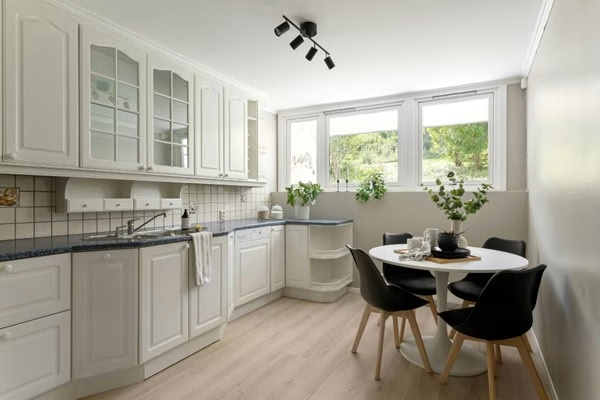
Think you’re ready to revamp your home, yet worried about the ecological footprint? Sustainable renovation is the answer to reducing waste and embracing eco-friendliness.
Why Choose Sustainability?
Sustainability isn’t just an option — it’s the future. Amid climate concerns, energy-efficient home renovators are doing their part to save the planet, one house at a time.
Renovating sustainably reduces your carbon footprint significantly. When eco-friendly materials are your choice, you help lessen the landfill pile-up.
Additionally, sustainable renovations can offer economic benefits over time. With minimized energy consumption, homeowners often notice a decrease in utility bills. It also enhances the home’s resale value as more buyers seek properties that reflect environmental responsibility.
Beyond cost savings, embracing sustainability presents a chance to take an active role in environmental stewardship. It paves the way to a lifestyle that harmonizes with nature, aligning personal values with global ecological efforts. By choosing sustainability, you’re contributing positively to the larger global tapestry of environmental consciousness.
Choosing Eco-Friendly Paint
Volatile organic compounds (VOCs) in paints aren’t just nasty chemicals. They pose significant health risks and harm the environment.
Eco-friendly paints, low in VOCs, protect both your family and the Earth’s atmosphere. Breathe easier with the right paint choice.
Smart Material Choices
Switching to reclaimed wood, bamboo, and recycled steel for your projects is not merely a trend. These materials offer durability while being eco-friendly.
Incorporating stylish options like affordable stone counters can also contribute to a sustainable renovation. Many stone suppliers, such as Arizona’s Superior Stone & Cabinet, now provide stone countertops with a focus on environmental responsibility, allowing you to enjoy both functionality and eco-consciousness in your home.
People see wood flooring as a staple. But bamboo, boasting rapid growth cycles and incredible strength, takes the lead in sustainable options.
For those favoring stone in their renovations, options like recycled tiles and eco-cement tiles provide a stylish and environmentally friendly alternative. By opting for recycled materials, you help reduce the demand for new raw materials, easing the strain on our planet’s resources.
Choosing sustainable materials, such as natural stone or sustainably harvested bamboo, supports biodiversity and reduces chemicals and waste associated with new production. Opting for refurbished or upcycled furniture, too, can be a creative and viable way to enrich your space without taxing new resources.
Water-Saving Strategies
Water conservation isn’t just for drought-stricken areas. Saving water cuts costs and conserves precious resources anywhere.
Change outdated plumbing fixtures with low-flow alternatives. Dual flush toilets and aerated faucets are true water savers in modern homes.
Modern technology offers rainwater harvesting systems designed for effortless home integration. Collecting rainwater through such systems can supply non-potable water for gardening, flushing toilets, and more, significantly reducing main water usage.
Efficient Use Of Energy
To improve heating and cooling, consider energy-efficient insulation. Options like cellulose, made from recycled paper, both insulate and conserve energy.
Install energy-efficient windows that prevent heat loss while boosting thermal comfort. Triple-glazed glass cuts energy bills radically.
Moreover, incorporating solar panels can further enhance energy sustainability at home. Solar solutions draw from a natural, infinite power source, lessening reliance on non-renewable energy and contributing to a greener energy grid.
Investing in renewable energy sources not only shields your household against fluctuating utility prices but also fosters innovation within the renewable energy sector. By powering homes with solar energy or wind turbines, individuals fuel the shift towards a renewable-powered grid, driving an important ecological narrative forward.
Sourcing Local Materials
Freight emissions add up quickly. The solution? Use local materials, which support your community and reduce your project’s carbon impact.
Scout local quarries for stone or local mills for lumber. Eco-renovation relies on boosting regional economies and sustaining nature.
Beyond reducing carbon emissions associated with transport, sourcing locally also enhances community resilience by strengthening local economies. By fostering a robust local supply chain, you contribute to a thriving regional economy and indirectly support diverse businesses within your community.
The Importance Of Recycling
Do the planet a favor by recycling renovation debris. Metals, woods, and tiles often find new life elsewhere when recycled properly.
Tear out plaster? Recycle that too! Crushed, it can form attractive pathways, reducing your home’s renovation waste and footprint.
Emphasizing the circular economy, sustainable renovations encourage repurposing what can be salvaged from construction materials. It’s an ethical approach towards preserving existing resources while creatively utilizing what’s already available.
Conclusion
Renovating sustainably isn’t optional—households leading the charge are writing the future’s script. Eco-renovations cut costs, reduce waste, and fashion vibrant, conscious living spaces. Invest in quality changes today for a brighter, greener tomorrow.