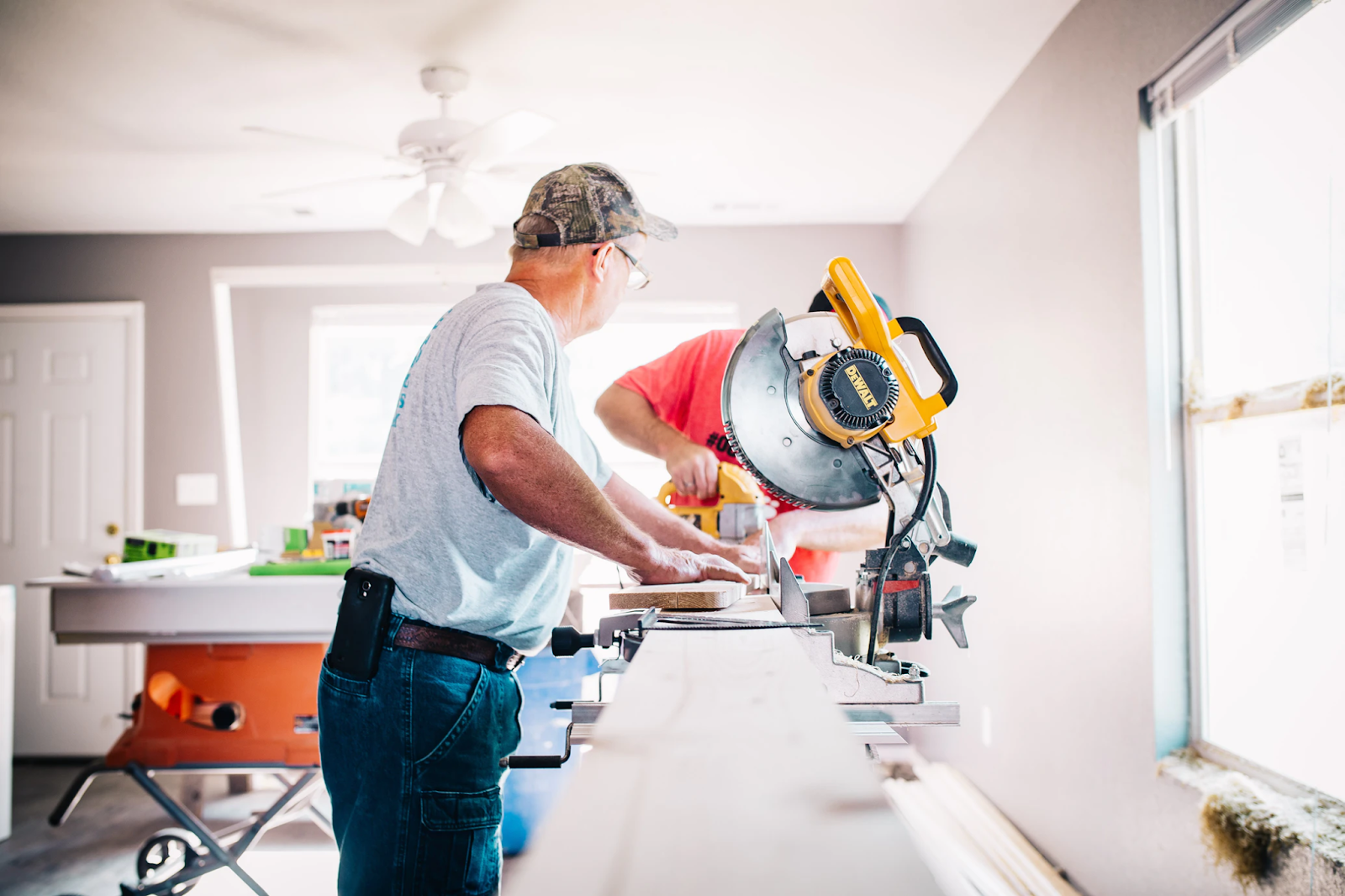
You have likely noticed how many storefronts, offices, and industrial buildings across the country now sit behind scaffolding instead of ‘For Lease’ signs. Rising interest rates, tighter lending standards, and shifting workplace expectations have changed how you approach your real estate decisions. Rather than searching for a new address, you may find it more practical to rethink the space you already control. Renovation allows you to respond to operational needs without taking on the risks that often come with relocation. Let’s delve into the topic a little deeper…
Renovation Demand
You see renovation demand rise when construction costs stabilize and financing for new development tightens. If you already occupy a building under a favorable lease or own your property with manageable debt, you often save money by improving what you have. You avoid new permitting timelines, reduce brokerage fees, and limit downtime.
For example, if you run a medical practice in a suburban office park, you can reconfigure exam rooms and update finishes without interrupting patient relationships. Your contractor can phase the work after hours, which allows you to maintain revenue. By contrast, moving to a new location may require months of site selection, build-out, and marketing to reestablish visibility. Evaluate your current layout and identify areas where strategic upgrades will directly support revenue or efficiency.
Why Relocation Is Losing Appeal
Relocation introduces uncertainty at a time when predictability holds value. When you move, you face unknown construction conditions, new zoning interpretations, and higher tenant improvement costs. Even small items add up. During a build-out, you may discover that simple materials such as drywall board cost more than expected due to supply fluctuations, which can push your budget beyond initial projections.
You also risk losing customers who associate your brand with a specific neighborhood. If you operate a restaurant, regular patrons may not follow you across town, especially if parking or traffic patterns change. Instead of absorbing those risks, you can modernize your current space, refresh signage, and improve lighting to increase foot traffic without changing your address.
Hybrid Work Is Driving Space Reconfiguration
Hybrid schedules have altered how you use office space. You no longer need rows of assigned desks, yet you do need collaboration zones and private areas for video calls. When you renovate, you can convert underused cubicles into shared meeting rooms or flexible touchdown spaces.
You might reduce square footage by subleasing a portion of your floor and investing the savings into higher-quality finishes and technology. That shift allows you to support your team’s current work patterns rather than paying for space that sits empty several days each week. Map out how your employees actually use the office before you commit to any design changes.
Sustainability and Renovation Investment
Energy costs and corporate responsibility goals also influence your decision. When you upgrade HVAC systems, install LED lighting, and improve insulation, you lower utility bills and demonstrate environmental awareness to clients and employees. Those improvements often qualify for local or federal incentives, which can offset upfront expenses.
Renovation also strengthens long-term asset value. If you own your building, thoughtful upgrades can increase appraisal figures and improve refinancing terms. Instead of starting over somewhere else, you build equity where you already operate and shape the space around your evolving business strategy.