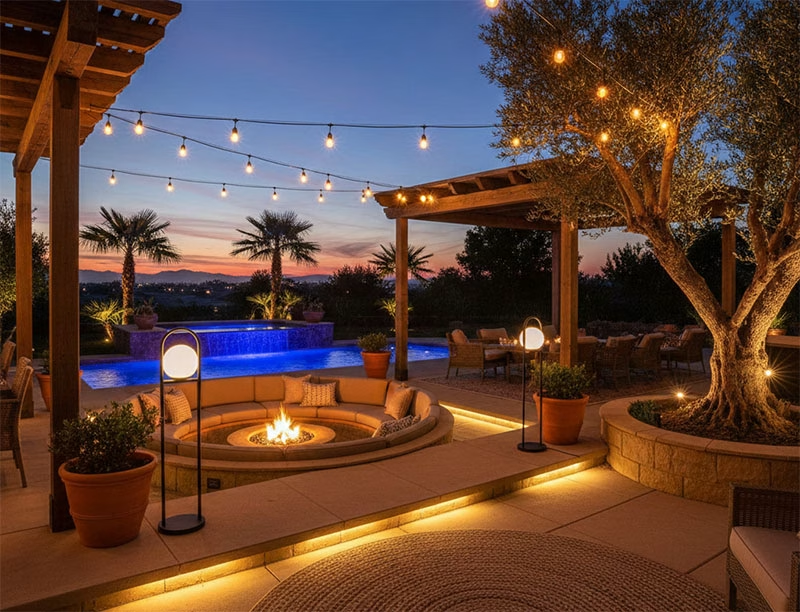
Outdoor spaces are an extension of how people live, relax, and move through their surroundings. Whether it’s a home garden, a public walkway, or a shared outdoor area, visibility and atmosphere matter once daylight fades. This is where outdoor lighting becomes essential. It is not just about illumination. It plays a role in safety, functionality, comfort, and how spaces are experienced after dark.
Understanding why outdoor lighting is used and how it shapes environments helps explain why it has become such an important part of modern design and planning.
What Outdoor Lighting Is Meant to Do
At its most basic level, outdoor lighting provides visibility. It allows people to see where they are going, identify obstacles, and move safely through exterior spaces at night. Paths, entrances, steps, and driveways all rely on proper lighting to reduce the risk of accidents.
But outdoor lighting does more than light the way. It helps define spaces, guide movement, and create a sense of order after sunset. A well-lit exterior feels intentional rather than neglected. It signals that a space is meant to be used, even when natural light is gone.
Safety and Security as a Core Reason
One of the primary reasons outdoor lighting is installed is safety. Poorly lit areas can hide uneven surfaces, steps, or other hazards. Adequate lighting reduces these risks and makes outdoor movement more predictable.
Security is closely tied to this. Well-lit spaces discourage unwanted activity by increasing visibility. When entrances, walkways, and boundaries are clearly illuminated, people feel more at ease. This sense of awareness is not about creating harsh brightness, but about eliminating shadows and blind spots that create uncertainty.
Outdoor lighting also helps people identify who or what is nearby, which contributes to a general feeling of control over the environment.
Making Outdoor Spaces Usable After Dark
Without lighting, outdoor spaces effectively shut down once the sun sets. Lighting extends the usable hours of patios, gardens, courtyards, and balconies. This is especially valuable during warmer months when evenings are often the most comfortable time to be outside.
Outdoor lighting supports activities such as dining, socializing, walking, or simply relaxing outdoors. It allows these spaces to function beyond daylight hours without relying on temporary or improvised solutions.
In shared or public spaces, lighting makes it possible for people to move confidently and interact naturally, even late in the evening.
The Role of Outdoor Lighting in Atmosphere
Light has a strong influence on how a space feels. Soft, warm lighting can make an outdoor area feel welcoming and calm. Focused lighting can highlight specific features, while evenly distributed light creates balance and clarity.
Outdoor lighting helps shape mood. A garden lit gently from below feels different from one lit from above. Path lighting creates rhythm and flow, while accent lighting draws attention to textures or natural elements.
This atmospheric role is one reason outdoor lighting is often planned carefully rather than added as an afterthought. The goal is not to overpower the space but to complement it.
Guiding Movement and Orientation
Outdoor lighting also serves a practical navigational purpose. By illuminating paths, entrances, and transitions, lighting helps people understand where to go and where not to go.
This is especially important in unfamiliar environments. Clear lighting cues reduce confusion and hesitation. In residential settings, this might mean guiding visitors to the front door. In larger spaces, it could involve directing foot traffic along safe routes.
Lighting can subtly communicate boundaries as well, showing where a space begins or ends without the need for physical barriers.
Why Planning Matters
Effective outdoor lighting does not happen by accident. Poorly planned lighting can create glare, uneven brightness, or wasted energy. It can also disrupt the natural character of a space.
Thoughtful planning considers placement, direction, and purpose. Each light should serve a reason, whether that is safety, visibility, or atmosphere. Too much light can be just as problematic as too little, leading to discomfort or visual clutter.
Planning also helps avoid common issues such as light spilling into unintended areas or creating harsh contrasts that strain the eyes.
Environmental and Practical Considerations
Outdoor lighting must withstand weather, temperature changes, and long-term exposure. This makes durability and proper installation important considerations.
There is also growing awareness around responsible lighting. Excessive brightness can contribute to light pollution, affecting both people and wildlife. Well-designed outdoor lighting balances visibility with restraint, focusing light where it is needed rather than flooding entire areas.
Energy efficiency is another practical factor. While technology continues to evolve, the core idea remains the same: lighting should provide value without unnecessary waste.
How Outdoor Lighting Enhances Everyday Life
Beyond its technical uses, outdoor lighting influences how people experience their surroundings. A well-lit outdoor space feels cared for. It invites use and interaction rather than avoidance.
For homeowners, it can make daily routines smoother, such as arriving home after dark or spending quiet time outside in the evening. For communities, it supports walkability and shared use of public spaces.
Outdoor lighting contributes to a sense of continuity between indoor and outdoor environments, making transitions feel natural rather than abrupt.
Common Reasons People Invest in Outdoor Lighting
People turn to outdoor lighting for many reasons, but a few stand out consistently. Safety and visibility are often the starting point. From there, the desire to make spaces more functional and enjoyable drives further decisions.
Another common reason is clarity. Lighting helps people understand a space quickly and intuitively. It reduces uncertainty and creates comfort, especially at night.
Finally, there is the simple human preference for spaces that feel intentional and welcoming. Outdoor lighting helps achieve that by shaping how environments are seen and used.
Final Thoughts
Outdoor lighting is about more than illumination. It supports safety, extends usability, and shapes how outdoor spaces are experienced after dark. When planned thoughtfully, it enhances comfort without overwhelming the environment.
Understanding the uses and importance of outdoor lighting highlights why it plays such a central role in modern living. It helps people move, gather, and relax with confidence, turning outdoor areas into functional and inviting spaces long after the sun goes down.