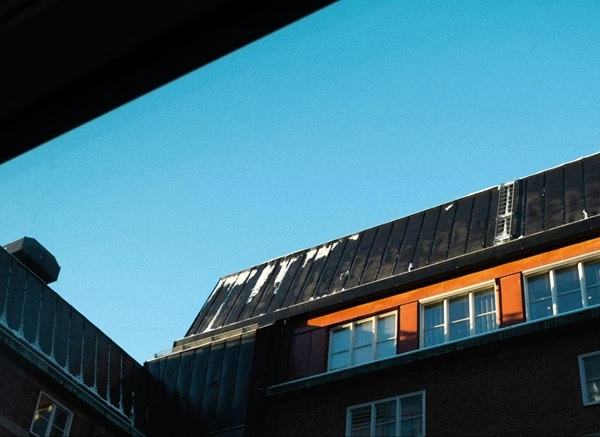
Roofing plays an unexpectedly important role in shaping the future of sustainable architecture. Far from being a mere cover for buildings, roofs have evolved into a canvas for innovation, reflecting advancements in technology and environmental design. These changes have pushed roofing to the forefront of green architecture, marrying utility with sustainability.
Harnessing Solar Power
The dominance of solar energy as a renewable power source signals a shift in architectural priorities. Roofing is integral to this technological wave. Solar panels, once considered an eyesore, are now crucial for energy-efficient homes and commercial establishments. Roof-integrated photovoltaics offer seamless integration, giving buildings the ability to generate clean energy without compromising aesthetics.
An additional consideration is the development of solar roof tiles, which have become an architectural feature themselves. These tiles blend effortlessly into a building’s aesthetic while performing the dual roles of a traditional tile and solar panel, thus maximizing energy absorption without overtly altering a structure’s design. These advancements pave the path for a more subtle embrace of renewable energy in architecture.
When exploring these innovative options, collaborating with experienced professionals can be invaluable. For residential projects in Phoenix, seeking advice from KY-KO residential roof experts ensures that homeowners make informed decisions tailored to their specific energy and aesthetic needs.
Recycled Materials: A Circular Approach
Environmental consciousness has given birth to a growing trend in using recycled materials for roofing purposes. Once-bound-for-landfill materials, such as rubber, plastic, and metal, find new life in shingles or tiles. This approach minimizes waste and reduces the demand for new resources. Delivering solid performance and longevity, recycled-material roofs champion resilience through resource reutilization.
Recycled roofing extends beyond simply using repurposed materials. It’s a comprehensive commitment to sustainable practices that tackle waste at its source, encouraging a full-cycle approach to architecture. For many builders, these roofs signify a dedication to sustainability, not only through the finished product but also during manufacturing, resulting in a considerable reduction of the building industry’s carbon footprint.
Green Roofs: Urban Oasis
Green roofs, festooned with plants and vegetation, offer cities a breath of fresh air—quite literally. These living roofs function as insulators, regulate temperature, and reduce rainwater runoff, mitigating urban heat. Moreover, they provide habitats for wildlife in an increasingly concrete urban jungle. This blend of utility and ecological harmony turns roofs into vital urban systems, easing the strains of urban development.
Beyond their environmental benefits, green roofs contribute to mental and physical well-being. The presence of greenery in urban areas has been shown to alleviate stress and enhance overall mood. Access to these natural spaces, whether visually or physically, can transform urban living environments into more pleasant areas for residents and workers alike.
Cool Roof Technology
Amid rising global temperatures, cool roofs are the building industry’s response to the challenges posed by climate change. These roofs reflect sunlight, reducing the heat absorbed by buildings. By keeping interiors cooler, they cut down the need for air conditioning, thus saving energy. The simplicity of this concept makes it a compelling solution for office buildings and homes alike in managing the demands of climate adaptation.
The introduction of cool roof coatings, which reflect more sunlight and absorb less heat, extends the lifespan of the roofing material by minimizing thermal expansion and contraction. As awareness grows regarding these roofs’ capabilities and benefits, options are increasingly available in various materials and colors, allowing buildings to maintain their aesthetic appeal while benefiting from cooler interiors.
Roofing’s Multidimensional Collaboration
While advances in renewable energy and technology are noteworthy, the critical factor in sustainable roofing is collaboration across disciplines. Architects, engineers, and environmentalists must work hand-in-hand to design buildings that incorporate these roofing innovations effectively. The success of sustainable roofing lies in its ability to bring these diverse voices together to create holistic, environmentally sound solutions.
Teamwork also fosters creative solutions for practical challenges that arise during the construction phase, ensuring that sustainably built structures are as aesthetically pleasing as they are functional. Seeking synergy among different experts leads to a more cohesive architectural vision—one that is equipped to face future demands and regenerates the environment.
Regulatory Considerations
Governments and cities worldwide are becoming increasingly aware of the ecological importance of sustainable roofing. Regulatory frameworks are evolving to demand environmentally responsible construction. Mandatory sustainability ratings and guidelines have set forth a new standard, compelling architects and builders to adopt practices that were once considered forward-thinking.
These regulations encourage innovation and competition among manufacturers to create products that not only comply with but also exceed regulatory expectations. As such, the push for better standards spurs technological advancement, leading the industry towards more sustainable and environmentally friendly practices, and gradually transforming the housing market with eco-conscious options.
Conclusion
The role of roofing in sustainable architecture should not be underestimated. Roofs are not mere protective layers—they are participants in the movement towards a sustainable future. With innovations such as solar panels, green and cool roofs, recycled materials, and regulatory changes, roofing is now a beacon for efficient and aesthetically pleasing design. This transformation challenges conventional notions, prompting a reevaluation of one of architecture’s most fundamental components.