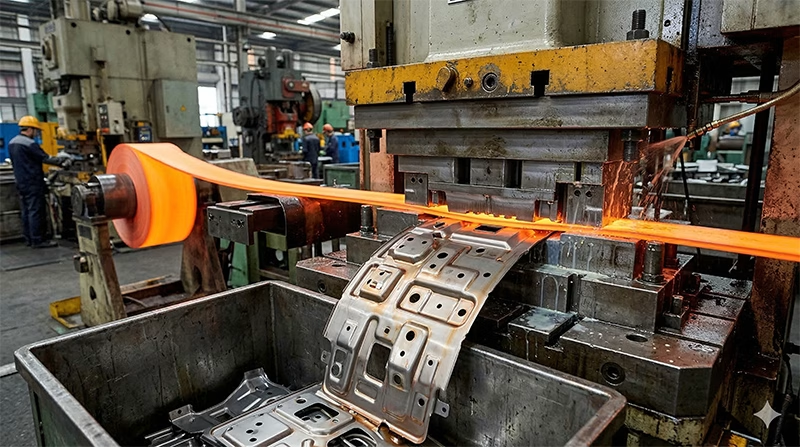
Metal stamping customizes metal sheets into particular shapes, serving multiple industries. It’s a high-demand process that provides the accuracy, efficiency, and repeatability needed. Knowing some of the core elements can help in smoother collaboration and a better outcome. Metal stamping is used by businesses for parts that go into equipment, vehicles, and consumer goods. So, thorough preparation and awareness can really help prevent unanticipated problems and ensure that you get the most value from the process.
Understanding Metal Stamping
Metal stamping is the process of using large dies to press or shape metal sheets. It yields homogeneous parts with intricate geometry. These include progressive, transfer, or single-hit stamping methods. There are inherent benefits for each method depending on the application and production quantities. While progressive stamping is well-suited for making complex shapes in high volume, single-hit techniques are used for simpler, lower-volume applications. Being aware of the techniques, such as custom metal stamping services that suit project requirements, saves time and resources.
Material Selection Matters
The metal that you select will affect quality and cost. The most common ones are steel, copper, aluminum, and brass. Each metal has its unique properties, such as strength, corrosion resistance, and flexibility. Some projects require industry-specific grades or finishes. The most appropriate material for each application is best discussed and determined with experts. Inappropriate selection may cause premature wear, increased costs, or failed compliance checks.
Design Considerations
Efficient design supports successful stamping. Detailed drawings and digital 3D models guide the manufacturing process. However, more complex shapes may need special or more dies, adding to costs. Streamlined designs can decrease setup time and waste. These drawings are finalized for feedback from engineers and stamping specialists to ensure that the drawings are manufacturable. Addressing these at an early stage prevents expensive changes later in the project.
Tooling and Die Creation
Dies are at the heart of the stamping process. Accurate, repeatable parts are produced with high-quality tooling. Custom dies tend to be your biggest initial expenditure. Maintaining the die extends its lifespan and guarantees uniform output across numerous cycles. In certain cases, providers will repair or adjust parts as needed when they begin to stray from specifications. Knowing how long it will take to get the die made avoids delays on the board fabrication side.
Production Volume and Timeline
Pricing and production speed are directly influenced by order size. By buying in bulk, the cost of each piece can be lowered because of the economies of scale. Setup time and tooling can increase costs for low volumes. When you convey the needed volume and time, it helps the provider allocate resources efficiently. Material shortages or equipment maintenance sometimes delay the process. Applying contingency for foreseeable disruptions helps keep projects on the right track.
Quality Control and Inspection
Inspection procedures are part of reliable stamping services. Every part is subjected to quality control measures like dimensional checks and material tests to ensure that it is within specifications. Certain industries, for safety or regulatory reasons, require extra certifications or traceability documentation. Automated inspection systems identify defects that may be missed by manual inspections. Maintaining that quality level means avoiding expensive recalls or work after delivery. When you vet a provider on how they conduct their inspection process, it builds confidence in the result.
Cost Factors and Budgeting
The custom metal stamping price is driven by a few factors. These include factors such as material, complexity of design, tooling cost, and quantity. Final touches, such as coating, plating, or secondary machining, will spike the price. Detailed quotations allow buyers to compare apples to apples when a few vendors make the shortlist, while also avoiding unpleasant hidden fees! Being upfront about budget limits has been known to prompt stamping professionals to make suggestions for saving costs.
Supplier Communication and Support
Strong communication supports successful partnerships. Discussing requirements, tolerances, deadlines, and specifications eradicates ambiguity. Good suppliers will keep you up to date on production status and respond to any concerns right away. Support teams that are attentive can assist with technical inquiries or even offer recommendations. Transparent and open two-way communication builds trust and minimizes the likelihood of delays or mistakes.
Conclusion
For many applications, it makes sense to use custom metal stamping, which is capable of producing high-precision, repeatable parts. A smoother process comes from understanding material options, design considerations, quality controls, and supplier capabilities. It helps to stick to budgets and deadlines in their implementation by planning everything clearly and communicating about it. With these points in mind, businesses can use these services wisely and find metal stamping results they can trust.