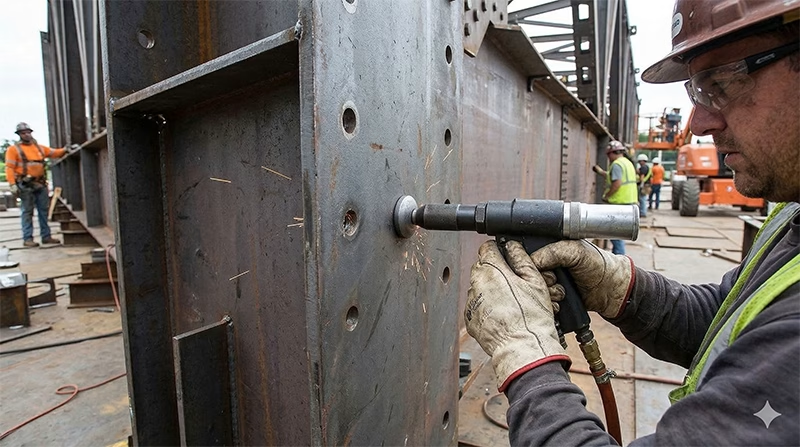
Corrosion can be an incredible challenge in many industries. Fasteners can be weakened by moisture, oxygen, and other materials. This puts great importance on the choice of materials for connections. The high resistance against adverse conditions makes solid aluminum rivets special. These properties preserve the structural integrity and extend the life cycle of the assemblies.
Natural Oxide Layer Protection
A thin oxide film exists on the surface of aluminum. This layer acts as a barrier as it prevents moisture and chemicals from reaching the metal surface below. If the oxide coating gets scratched or otherwise damaged, it regenerates, which keeps it protected. Other metals typically need additional layers to have an equivalent resistance. It heals itself, and this characteristic results in less frequent maintenance, making solid aluminum rivets preferred.
Compatible with Various Materials
As lots of assemblies are bonded with dissimilar materials, galvanic corrosion becomes a problem. When paired with a metal such as aluminum, the risk of galvanic corrosion is minimized by solid aluminum rivets. Being naturally compatible with the aluminum substrate provides the same response to environmental changes. This balance stops fasteners from wearing away faster than the material around them, avoiding erosion of the rivet and the material encasing it.
Resistant to Atmospheric Agents
Fastener deterioration can often be seen as a result of exposure to rain, salt, and humidity. This resistance to these elements makes aluminum rivets the best for outdoor and marine use. Each structure using these rivets will fail less due to exposure to the weather. This reliability aids stability and long-term ruggedness, even in harsh environments.
Low Maintenance Requirements
Corroding fasteners require continuous inspection and necessitate replacement. Solid aluminum rivets require less attention, though. This inherent resistance shows up as lower repairs over an assembly life cycle. It cuts down on maintenance, saving valuable time and resources for maintenance teams. Dependable fasteners also prevent surprises with breakdowns or expensive downtime.
Lightweight With Lasting Strength
Aluminum’s low density makes it ideal for any project where weight is a factor. These rivets are also stout and resilient under stress, even if they are lightweight. This strength-to-weight ratio, which is advantageous for transportation, aerospace, and construction, results in high durability and low weight.
Uniform Performance Across Temperatures
Corrosion rates are often affected by temperature changes. That characteristic of aluminum enables it to retain its protective properties when exposed to high and low temperatures. Unlike hot-dip galvanized coating, solid aluminum rivets do not embrittle or lose their shield when temperatures fluctuate. This stability makes them suitable for climates characterized by a wide range of environmental conditions.
Long-Term Cost Efficiency
When fasteners become corroded, it may be necessary to replace them at a high cost. These costs are minimized with solid aluminum rivets that last longer in harsh conditions. Fewer replacements mean less expenditure on materials and labor. Gradually, these reduced expenditures result in the development of more effective project budgets, as well as more effective human and material resource distribution.
Non-Toxic and Environmentally Friendly
Certain anti-corrosion coatings include synthetic substances, which are harmful to people or the environment. Such measures are unnecessary for the natural resistance of aluminum. These rivets can provide a safer alternative, particularly in sensitive applications such as food processing or water treatment. On top of that, they can also be easily recycled, promoting both sustainability and waste reduction.
Consistent Appearance and Integrity
Fasteners that would be visible in a completed assembly typically affect visual quality. Corroding rivets can form unsightly leaks or weaken joints. Solid aluminum rivets maintain a cleaner and rust-free surface that supports functional and aesthetic aspects. This particular trait is useful with public structures or consumer goods where looks stand out.
Versatile for Multiple Applications
These types of rivets are solid aluminum with a wide field of application. Their resistance to corrosion makes them dependable for applications like automobiles, bridges, etc. Their ability to adapt to various environments makes them a staple for engineers and builders alike. They can be trusted to deliver reliably under all conditions, and that makes results more predictable.
Final Thoughts
The choice of fastener plays an important role in an assembly, and the right fastener can make a big difference in durability. Solid aluminum rivets offer advantages in several ways, and particularly as they resist corrosion. The natural oxide layer, compatibility of the material, and environmental resistance sum up to providing low-maintenance, long-lasting structures. And these rivets are also versatile and cost-efficient, making them a convenient solution for a variety of uses.