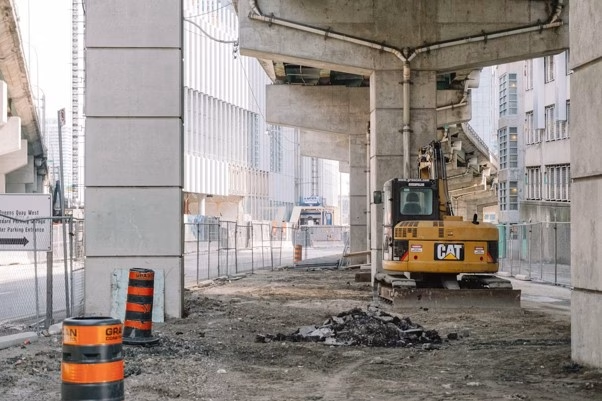
The mini excavator is a popular choice in residential construction and light commercial work due to its versatility and ability to perform multiple tasks in confined spaces. The use of this excavator is often associated with digging trenches, installing drainage systems, building small foundations, landscaping, utilities and demolition works. In relation to a smaller contractor, the main issue is whether this excavator is needed sufficiently to buy it rather than lease it.
To make such a decision, it makes sense to calculate what costs this ownership would bring. The use of the heavy equipment financing calculator can help estimate what monthly payments will be at different loan amounts, repayments period and interest rates. This number should be compared with rental expenditures in previous months and the amount of work performed by the excavator on average per month.
Count how often the machine is actually needed
The easiest place to start is with past projects. A contractor can look at the last six to twelve months and count how many days a mini excavator was rented. This gives a much clearer picture than relying on a general feeling that the machine is used often.
When the same model of excavator turns up on multiple sites on a monthly basis, the case for ownership may have merit. This assessment must take into account the cost of delivery and pickup services, fuel costs, insurance, and any additional days added due to schedule delays.
This is especially true when it comes to rented equipment, since a two-day task, such as trenching, can often easily turn into a four-day task. An owned excavator provides the contractor with more flexibility in this area.
Another important consideration is distinguishing between one-off tasks and regular tasks. A piece of machinery used once or twice a year may well prove less expensive if rented, while a piece used weekly is certainly a more attractive target for ownership.
Concentrate on those job areas that require the highest number of workers
Mini excavators are valuable pieces of equipment since one unit can perform multiple tasks. It is relevant when considering the financing of mini excavators.
A small contractor may use the same machine for:
- digging utility trenches
- preparing small foundations
- installing drainage lines
- removing concrete or old landscaping
- grading around buildings
- loading loose material
The more these activities are performed by the firm regularly, the easier it will be to maintain the productivity of the machine.
Attachments may also affect the economic considerations. A hydraulic breaker, an auger, a grading bucket, or a thumb may help one excavator do the work that could have required another machine or labor. Costs of attachments need to be included in the budget as they enhance productivity but increase costs at the same time.
Compare the payment with real rental costs
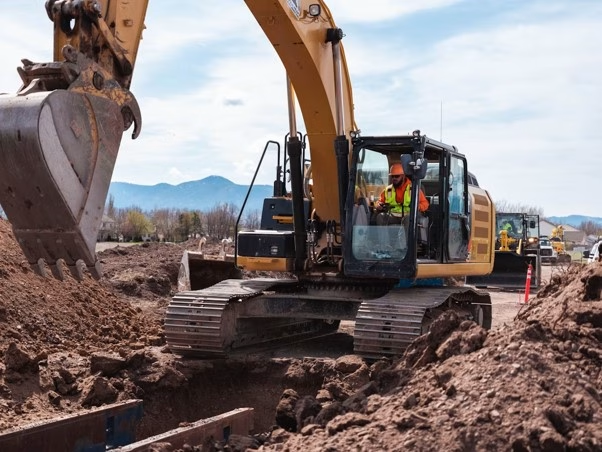
A simple comparison between monthly finance payments and rental rates can be helpful, but the full calculation should include all related costs.
Consider the case where a contractor is renting a mini excavator several times each month. Apart from the daily charge, there might be transportation cost, damage waiver, fuel, and minimum rental period. Over a whole year, these smaller amounts can accumulate quite fast.
Being an owner comes with additional costs of:
- insurance
- maintenance
- repairs
- storage
- transport between sites
- registration or permits where required
This cost must be added to the monthly financing cost to determine the total cost of ownership versus renting.
The idea is to find out what would be the actual monthly cost involved in keeping the machine operational. The cost must not increase the burden of financing too much for the business because the monthly costs remain similar to that involved in renting.
See if the excavator remains busy enough
To pay off the fixed monthly cost of an excavator, there must be sufficient projects for which the machine has been acquired. For this reason, contractors must consider the future projects and find out how often the excavator will remain operational over the coming year.
The scheduled residential projects can guarantee regular work if they involve drainage, foundations, utilities, or land preparation tasks. In case of multiple small projects, the excavator may have to move around a lot.
The danger lies in the fact that this decision is made based on a single project. After its completion, the equipment will be standing for several weeks in a yard, and the debt repayments will keep on going.
Instead, it would be better to make the decision based on an existing practice in the form of ongoing projects. If the company has been renting mini excavators on a regular basis, then the chances are that such demand will exist further on.
Downtime should also be taken into account. The equipment, which spends too much time standing idle, also costs money because of the insurance and storage expenses.
Choose the machine around the work
It is not always necessary for the excavator you select to be the cheapest excavator you could find. Size, digging depth, weight, transport weight, attachments, and service are just some of the considerations that could influence the usefulness of the machine.
Too small a machine could make transportation easier but would have a difficult time digging trenches and moving heavy loads. Larger machines might be able to carry more weight but might require a bigger transport truck to carry it.
Serviceability of the machine must be taken into consideration as well because it would be costly if your machine would take too long to repair when something breaks down.
Used equipment can lower the cost of purchase for the firm buying its first excavator. Careful considerations need to be made regarding service history, hours, condition of the hydraulics, wear and tear on the undercarriage, and indications that the machine is worn out due to intensive use. A low cost of purchase can quickly be outweighed by repair expenses following the delivery of the machine.
Financing a mini excavator is only advisable when the use of such a machine has been established in the firm’s operations. This is easy to ascertain if the machine has previously been rented out often and can continue being used for future projects, and the cost is within the firm’s budgetary plans. A well-considered mini excavator can be a favorite in the list of construction equipment for small contracting firms undertaking trenching, drainage, foundations, and utility work.