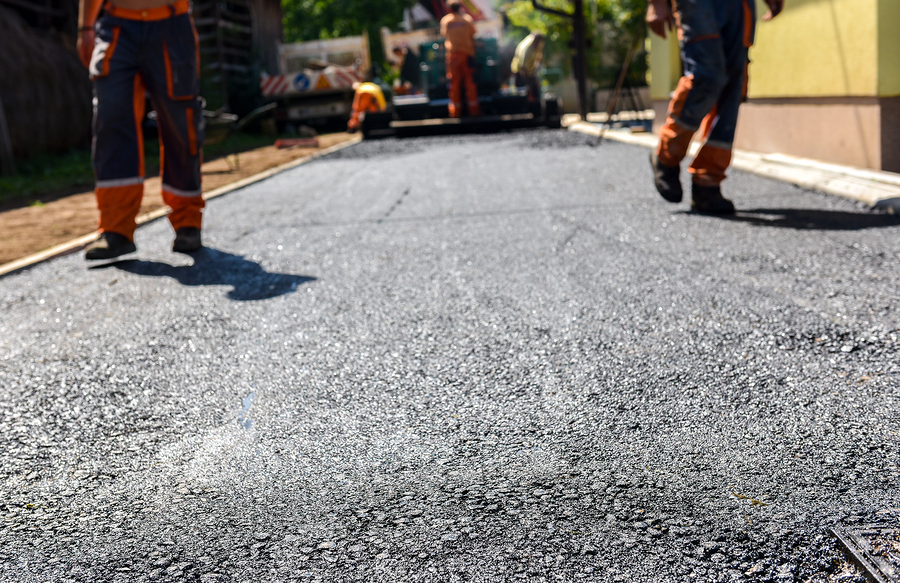
Homeowners who once defaulted to concrete are steadily turning toward asphalt, and the trend is not slowing down. Some attribute the shift to cost, others to climate, but the truth is that asphalt simply performs better under the unique pressures of island living. That is why more residents are asking local crews for asphalt estimates and why interest continues to grow among those building new homes or upgrading old ones. Anyone who has compared the two materials in real-world Hawaiian conditions quickly understands why an Oahu Asphalt Paving Company now receives far more driveway requests than in previous years.
Asphalt Handles Oahu’s Climate Better Than Concrete
The Hawaiian climate may be pleasant for people, but it is harsh on rigid driveway materials. Concrete looks strong on installation day, but its performance depends heavily on controlled curing conditions. High humidity, sudden rain, and fluctuating temperatures interfere with the process, often introducing small weaknesses that eventually turn into surface cracks.
Asphalt, by contrast, thrives in warm environments. The heat allows it to maintain flexibility, which is exactly what a driveway needs when exposed to Oahu’s constant temperature changes, island moisture, and heavy UV exposure. Instead of cracking under pressure or during expansion and contraction cycles, asphalt absorbs the movement. This flexibility is the key reason residents notice fewer fractures and less surface deterioration over time.
When you compare driveways that have aged ten years or more, the difference is striking. Asphalt tends to look smoother and more even because the material adapts to the environment rather than fighting against it.
Rainfall and Drainage Favor Asphalt Over Concrete
Oahu’s wet seasons can turn a driveway into a true stress test. Concrete may appear solid, but its rigid structure leads to water pooling, surface scaling, and freeze-thaw damage in higher elevations. Even hairline cracks allow moisture to seep in. Once that happens, the deterioration slowly accelerates.
Asphalt, on the other hand, naturally sheds water more effectively. Its slight flexibility and dark surface help moisture evaporate faster. Even if small imperfections occur, the material does not compromise as quickly because asphalt expands and contracts with the water cycle instead of resisting it.
Homeowners begin to appreciate this difference after a heavy rainfall. A properly installed asphalt driveway drains efficiently, dries faster, and does not develop the chalky, flaking look that many older concrete driveways eventually show.
Asphalt Is Faster and Less Disruptive to Install
Construction disruptions matter, especially in neighborhoods where properties sit close together. One advantage that asphalt consistently delivers is speed. Asphalt driveways can often be installed and ready for vehicle use within a couple of days. Concrete, on the other hand, requires a lengthy curing period. Homeowners are often told they need to stay off the surface for a week or longer.
Residents in Oahu value convenience, and asphalt’s quick turnaround makes it the obvious choice for people who do not want their property blocked or their routines disrupted. Contractors can complete projects faster, homeowners regain access sooner, and the entire process feels far less intrusive.
Asphalt offers speed and minimal disruption compared to other materials, but some projects demand more effort. Learn which masonry jobs are the hardest and why they require extra planning and skill.
Maintenance Is Straightforward and Affordable
People sometimes assume asphalt must be high-maintenance because it is not as rigid as concrete, but the opposite is true. The maintenance it requires is predictable and inexpensive. Sealcoating every few years keeps it protected from sun exposure and water infiltration. Small cracks can be filled easily before they expand. These steps cost far less than the patching, resurfacing, or replacement that concrete often needs once structural cracks begin.
The nice part is that asphalt repairs blend well. A patched area does not stand out dramatically the way concrete patches tend to do. Homeowners can extend the life of their asphalt driveway with minimal effort and without compromising appearance.
Keeping roads safe and smooth requires constant care. Discover the maintenance efforts sustaining Lagos asphalt roads during the rainy season.
Asphalt Is Often More Cost-Effective
Cost-effectiveness is not the only reason asphalt is gaining traction in Oahu, but it certainly contributes. Asphalt installations generally come with a lower upfront price than concrete. Combined with reduced repair costs, faster installation, and a predictable maintenance cycle, asphalt provides superior long-term value.
When homeowners factor in Oahu’s humidity, rainfall patterns, and sun exposure, asphalt becomes even more appealing. The climate simply favors it. A material that aligns well with the environment always wins in the long run.
A Smoother Ride Makes Daily Use More Enjoyable
Asphalt is the material used for roads across the United States for a simple reason. It provides a smoother, quieter driving surface. The same benefits apply to residential driveways. Vehicles roll more easily, tire noise decreases, and the overall experience feels higher quality.
Concrete joints, patches, and cracks create bumps and vibrations. After years of use, the difference becomes especially noticeable. Asphalt continues to feel smooth even after minor repairs because the surface blends seamlessly.
Asphalt Is More Forgiving for Future Modifications
Homeowners often update their driveways. Maybe a property needs widening, an extension, or a repair after utility work. Asphalt accommodates these changes far better than concrete. The new material bonds naturally with the existing surface, creating a unified appearance. Concrete additions often look mismatched and require more extensive restructuring.
This flexibility gives homeowners more freedom to adapt their space over time. As properties evolve, asphalt driveways can evolve with them.
Environmental Benefits Are Playing a Role
While asphalt is not perfect environmentally, it carries advantages that people sometimes overlook. Asphalt is one of the most recycled materials in the country. Old asphalt is reclaimed, reheated, and reused in new projects. This reduces waste and lowers the environmental impact of new driveway installations.
Concrete recycling exists, but the process is more intensive and less commonly used for residential work. For homeowners who want durability but still want a reasonably eco-conscious choice, asphalt feels like the more balanced option.
Why Oahu Homeowners Are Choosing Asphalt in Record Numbers
When you put all these factors together, the trend makes sense. Asphalt aligns with Oahu’s climate, accommodates heavy rainfall, installs quickly, and maintains its appearance with far less effort. It also offers a cost advantage and provides performance that matches how island residents use their driveways daily.
Concrete has its place, but it struggles under the conditions that define Hawaiian weather. Asphalt simply handles the environment better. The growing popularity is not a fad. It is a practical response to the realities of building and maintaining driveways in Oahu. Homeowners want a material that stays smooth, lasts long, and works with the climate instead of against it. Asphalt does exactly that, which is why more residents are embracing it as the preferred driveway choice.
Ensure your asphalt driveway performs reliably. Consult professionals who know how to handle Oahu’s climate.