The acquisition of machinery is perhaps one of the most important decisions that construction companies make, since they depend heavily on excavators, loaders, cranes, compactors, telehandlers, concrete machinery, and interior fit-out machinery. Some construction firms get to the stage where the limitations imposed by the leasing process begin to affect their schedules, but acquiring new equipment would be an expensive task. This is where heavy equipment financing comes into play, and one of the best companies that deal with heavy machinery financing is Thirty3 Capital, whose expertise revolves around tailoring solutions for clients who wish to purchase heavy machinery.
Why equipment financing matters in construction
Construction is a cash-consuming industry. A company may be having high demand, signed contracts, and an ample pipeline. The challenge comes when the company does not have enough cash flow and has invested a lot in its equipment. The equipment is very important, but other factors like labor, materials, permits, fuel, insurance, subcontracting, and site preparation are also important.
For instance, small and medium sized construction companies will require various types of equipment. For example, a company involved in landscaping and site preparation will require a skid steer loader. On the other hand, a company dealing in concrete will need a mixer, pump, or a finishing machine. Lastly, an interior company will need various types of equipment including lifts, cutting machines, dust control, flooring equipment, or trucks.
This will bring about financial challenges since it might be difficult to finance the entire cost in one single payment. This is because financing will spread the costs over time making the payment manageable. The company will therefore not decline projects due to lack of the proper equipment.
As an example, a general contractor that wins a contract for commercial renovations will require additional equipment for demolishing, waste management, framing, and interior installation. In case the equipment makes the task easier and lowers rental expenses, then paying monthly would be more effective than saving money on the purchase months later.
How asset-backed financing works
Asset-backed financing is common in heavy equipment because the machine itself has value. The lender looks at the equipment as part of the security for the financing. This can make the process more practical for construction companies that need real machines for real jobs.
The idea is simple. The business acquires equipment, uses it in daily operations, and pays for it over an agreed period. The asset supports the financing structure, which may help the company access better terms than an unsecured loan in many situations.
This type of financing can be useful for:
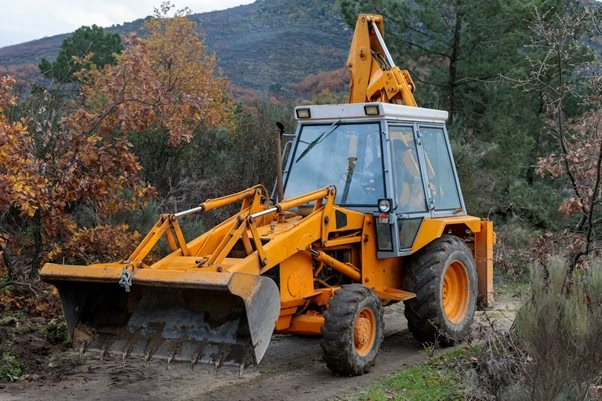
- Excavators, loaders, dozers, cranes, and backhoes
- Forklifts, telehandlers, lifts, compactors, and paving machines
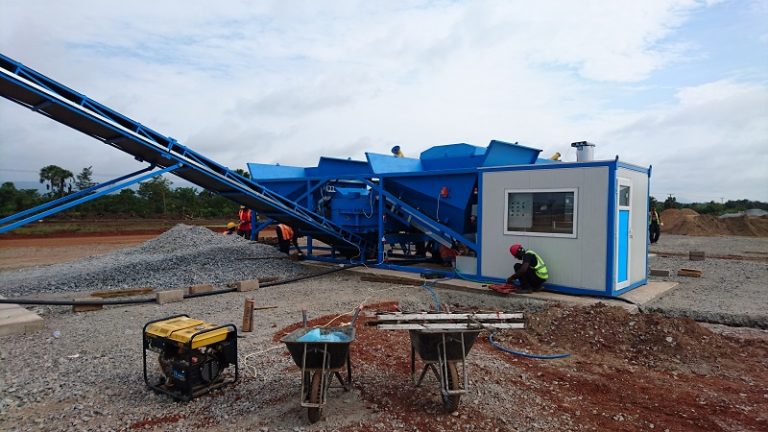
- Concrete equipment, compressors, generators, and site power units
- Trucks, trailers, service vehicles, and material handling equipment
- Interior construction equipment such as flooring machines, lifts, cutters, sprayers, and dust extraction systems
For construction and interior businesses, the main advantage is control. Owning or financing dedicated equipment gives a team more scheduling freedom. They are less dependent on rental availability, short rental windows, and repeated transport costs. This can matter a lot when several trades are working on the same site and delays quickly affect the whole project.
Another benefit is planning. When a company understands its monthly payment, it can build that cost into project pricing. A machine that is used across several jobs becomes part of the operating model rather than a sudden large expense.
Monthly payment planning and project cash flow
The most useful financing structure is rarely the one that looks good on paper only. It has to fit how construction money actually moves. Payments from clients may come in stages. Some projects require a large upfront spend on materials. Retainage can hold back a portion of revenue until the job is complete. Seasonal work can also affect income, especially for site work, roofing, exterior construction, and infrastructure-related jobs.
This is why monthly payment planning matters. It is important to understand how the new equipment affects other expenses such as payroll, rent, insurance, fuel, maintenance, and suppliers’ payments. A machine should help the business move forward, not create stress every month.
Thirty3 Capital highlights monthly payment planning tools as part of its financing support. For a contractor, this kind of planning is valuable because it turns a large purchase into a clearer operational decision. Instead of asking only, “Can we afford this machine today?” the better question is, “Can this machine help us produce enough value each month to support the payment and improve our capacity?”
This is an easy illustration. A contractor in flooring business purchases a commercial floor grinder and dust collection system. The equipment lets the company deal with polished concrete jobs on its own and without subcontracting part of the job. Knowing that the monthly payment is stable, the contractor could calculate how much square footage needs to be done each month to pay for the equipment. After that point, the equipment begins supporting profit, quality control, and scheduling flexibility.
The same logic works for excavation, concrete, framing, roofing, and interior fit-out work. When payments are planned properly, equipment financing becomes part of a growth strategy.
What contractors should review before financing
Before choosing a financing option, a construction company should look beyond the purchase price. The right equipment must fit the type of work, the expected workload, and the company’s real operating rhythm.
Important questions include:
- How often will the machine be used each month?
- Will it replace rental costs or open access to larger projects?
- Does the business have operators trained to use it safely?
- What are the maintenance, storage, fuel, and transport costs?
- Can the monthly payment be supported during slower months?
- Will the equipment still be useful after the first major project ends?
Such questions become especially significant in interior and building works, where the equipment requirements may vary depending on the specific project. For example, a lift becomes necessary for the installation of ceilings, lighting, HVAC coordination, and facade construction. A compact loader may be perfect for tight renovation sites. A dust extraction setup may help an interior crew work cleaner and faster in occupied buildings.
The goal is to finance equipment that supports the company’s regular work, improves delivery, and helps the business take on better projects. Financing a machine because it looks impressive can lead to trouble. Financing a machine because it removes a bottleneck is usually a stronger decision.
Building a smarter equipment strategy
Heavy equipment financing is most useful when it is connected to a wider business plan. A contractor should know which machines are core to the company’s work, which machines are better rented, and which purchases can wait.
For instance, a company involved in residential renovations may benefit more from compact machines, lifts, trailers, and interior finishing equipment, rather than heavy earth moving equipment. Civil contractors may require excavators, compactors, graders, and site trucks. A commercial interiors firm may focus on lifts, dust control, cutting systems, material handling equipment, and specialized installation tools.
A financing partner can help structure the acquisition around the business need rather than treating every purchase the same way. Thirty3 Capital’s focus on tailored financing options is relevant here because construction companies rarely have identical cash flow patterns. One business may need lower monthly payments over a longer period. Another may prefer a structure that fits a specific project timeline. A growing contractor may need several pieces of equipment across different job sites and want a more strategic plan.
There is also a practical advantage in keeping cash available. Although a company can afford to purchase its own equipment, using all the funds available to do so may limit flexibility. Construction projects are usually associated with unexpected circumstances such as changes in prices for materials, repair costs, weather-related delays, design alterations, and additional workforce needs. Keeping liquidity can help a business respond to these issues without slowing down.
In the end, heavy equipment financing is about more than getting approved for a machine. It is about building capacity in a controlled way. Proper financing may assist the construction company in changing its status from renting to owning, taking up more significant projects, better managing its schedule, and safeguarding its cash flow all at once.
Construction companies, construction contractors, and interior construction companies should consider their financing efforts as part of their overall project planning. They need to examine the equipment, work load, monthly payments, rate of return, and life of the investment before they decide whether to engage in equipment financing or not.