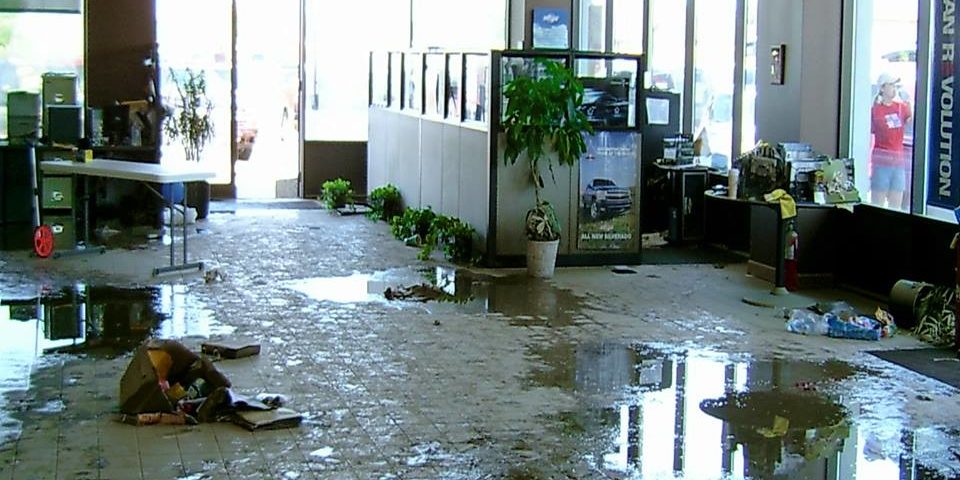
Facing a house fire or a major flood feels like your world has been turned upside down. The immediate aftermath is spent just trying to find a safe place to sleep. You might look at the debris and feel overwhelmed by the scale of the financial loss.
Determining what it will cost to rebuild is a task that requires a high level of technical skill. Surface damage often hides deeper structural problems that can lead to mold if ignored. Most homeowners lack the tools to spot these issues during their first walkthrough.
Managing the relationship with your insurance carrier is an essential step in securing your resources. Many people choose to consult with a property damage lawyer to ensure that their final estimate reflects the total impact of the disaster. This oversight prevents the company from overlooking critical details that could cost you thousands.
Challenging the Initial Insurance Adjuster Estimates
Insurance companies employ adjusters whose primary job is to protect the financial interests of the corporation. When they arrive at your property, they want to settle the claim as quickly and as cheaply as possible. Their initial offer is rarely a reflection of the actual market value of your losses.
These low offers often focus on cosmetic fixes that ignore the long term health of the structure. For example, a coat of paint might cover smoke damage, but it does not remove toxic soot trapped behind walls. Accepting the first check usually means you are waving your right to more money.
You have the right to challenge these numbers by providing independent estimates from licensed contractors and engineers. These professionals can explain why a specific material costs more or why a repair takes longer than suggested. Standing your ground on these figures ensures that your home is restored without compromise.
The Importance of Specialized Appraisals for Unique Losses
Standard policies often struggle to account for high value items like original artwork or custom electronics. A generic adjuster might value a handmade table at the same price as a mass produced item from a store. This leads to a significant gap between the insurance payout and replacement cost.
Specialized appraisals provide a documented record of the quality of your belongings before they are processed by the insurance team. These experts understand the market for specific goods and can provide a level of detail that a generalist would miss. This documentation is your best defense against an unfair valuation.
Structural integrity also requires a specialized look to determine how a flood has impacted the foundation. An engineer can spot a hairline crack in a load bearing wall that might lead to a collapse later. These technical assessments ensure that your primary asset remains safe and valuable for decades.
Navigating Actual Cash Value and Replacement Cost Definitions
One of the most confusing parts of an insurance policy is the distinction between actual cash value and replacement cost. Actual cash value takes into account the age and wear of an item, which lowers the final payout. If you lost an old television, the company pays what it is currently worth.
Replacement cost is a much more comprehensive form of coverage that pays for a brand new item of similar quality. This ensures that you can walk into a store and buy what you lost without spending your own savings. Most people assume they have this coverage, but the fine print often differs.
Determining which standard applies to your specific claim can change the total value of your check by thousands of dollars. An insurance company might try to apply depreciation to items that should be covered under replacement cost. Catching these errors is a vital part of protecting your recovery.
Creating a Comprehensive Inventory and Photo Record
Taking high quality photos of every room in your home before any debris is moved or cleaned up is a vital task. These images provide an objective record of the scene that cannot be disputed by an insurance company. You should capture everything from warped floorboards to soot on appliances.
Creating a detailed list of every single item lost in the disaster is a grueling but necessary part of the job. You need to record the brand name and the original price for every chair, book, and toy. This list becomes the backbone of your claim and leaves no room for guesswork.
This level of detail makes it much harder for the insurance company to argue about the scope of the damage. When you can point to a specific photo of an item in its location, the evidence is undeniable. A thorough inventory is the best tool for securing a full payout.
Conclusion
Navigating the aftermath of a major disaster is a marathon that requires a focus on technical details and legal rights. It is easy to feel pressured to accept a quick settlement just to put the event behind you. However, taking the time to ensure the math is right will protect you.
Having professional oversight allows you to focus on your family while experts handle the complex language of your insurance policy. They recognize the tactics used to lower claims and can push back with the facts of your situation. This support provides the peace of mind needed to rebuild.
Protecting your property means being disciplined about documentation and refusing to settle for less than you are owed. By using professional estimates and understanding your policy, you can achieve a fair and just recovery. The goal is to return your home to a place of safety and stability.