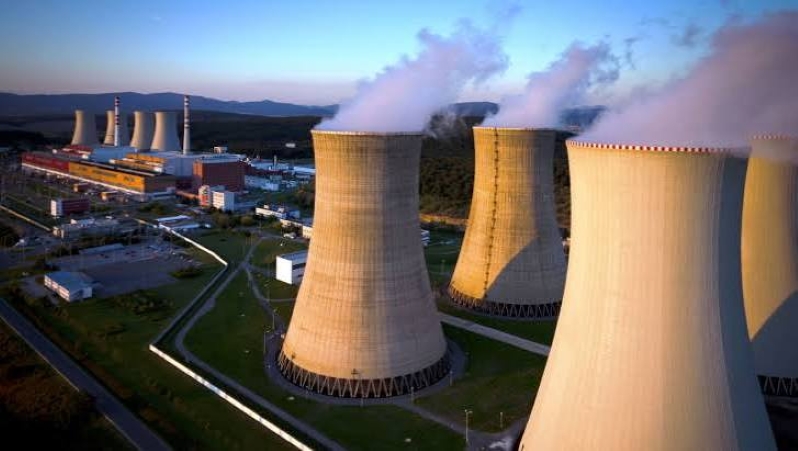
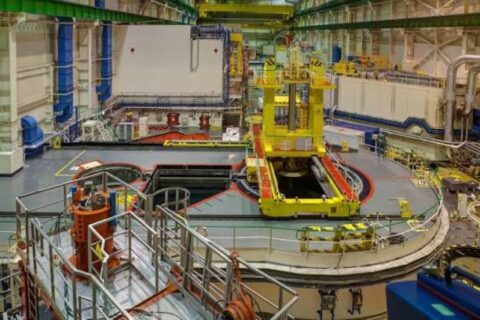
Slovakia’s 471 MW Unit 4 reactor at the Mochovce Nuclear Power Plant has begun commissioning, loading its first fuel assembly on 29 June 2026, nearly 39 years after construction first started under the former Czechoslovakia, following decades of political transition, funding challenges, design modifications and stringent regulatory reviews. The milestone comes as Europe increasingly looks to nuclear energy to strengthen energy security, decarbonization and reduce dependence on imported fossil fuels.
Commissioning of Mochovce Nuclear Power Plant Unit 4 Reactor After Nearly Four Decades Construction
The commissioning of Mochovce Nuclear Power Plant Unit 4 reactor represents a significant achievement not only for Slovakia but also for Europe’s broader nuclear renaissance.
Construction of the reactor began in 1987 but stalled during the political and economic upheaval that followed the collapse of communism. Work resumed years later after extensive modernization to bring the Soviet-designed VVER-440/V213 reactor in line with modern European Union nuclear safety standards.
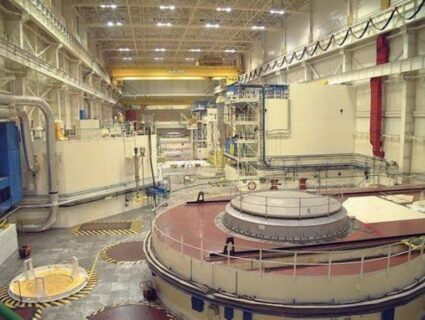
Mochovce Unit 4’s commissioning also follows the successful startup of Unit 3 in 2023. After full commissioning, Mochovce nuclear power plant will allow Slovakia to further cement its position as one of the world’s leading producers of nuclear-generated electricity on a per-capita basis. Nuclear energy already accounts for more than 60% of Slovakia’s electricity generation, and once Unit 4 enters commercial operation that share is expected to rise to around 77%. The domestic carbon-free power supply will substantially reduce reliance on imported electricity while supporting national climate objectives.
The development also comes amid renewed European interest in nuclear power. Following the energy crisis triggered by Russia’s invasion of Ukraine, several European countries have extended reactor lifetimes. They have also restarted previously retired nuclear discussions and announced plans for new large reactors and small modular reactors (SMRs) as exemplified by Czech’s two new APR1000 reactors (Units 5 and 6) at the Dukovany Nuclear Power Plant.
Slovakia’s successful completion of a conventional large-scale reactor therefore provides an important demonstration that long-delayed nuclear projects can still be brought to completion despite significant technical and regulatory challenges.
Latest Development: Commissioning Begins with Fuel Loading
This article has been updated to accurately reflect Unit 4’s status, in line with information published by the Nuclear Regulatory Authority of the Slovak Republic (ÚJD SR). Commissioning of the unit has only just begun, and the reactor has not yet achieved criticality or synchronized with the grid — steps that are not possible until fuel is loaded.
The regulator’s decision No. 229/2026, permitting the commissioning of Unit 4 of the Mochovce 34 NPP, entered into force on 24 June 2026. Until that point, only non-active testing and checks of the unit’s readiness for commissioning had been carried out. Commissioning then began with the loading of the first fuel assembly on 29 June 2026, shortly after 16:00.
Once fuel loading is complete, the process of active reactor testing will begin, divided into the physical start-up and energetic start-up stages. The transition between each stage is subject to ÚJD SR approval, granted on the basis of an assessment of the start-up tests and protocols confirming the facility’s readiness for the next stage. The energetic start-up stage also includes a 144-hour full-power demonstration run.
Only after all prescribed tests are completed, thoroughly evaluated, and the relevant documentation submitted can the operator apply to ÚJD SR for a permit to operate Unit 4, along with other related permits. Full details of the commissioning process are set out by the regulator on its official website.
Once fully online, the Unit 4 reactor at Mochovce nuclear power plant in Slovakia will generate approximately 471 MW of electricity. This is enough power to supply hundreds of thousands of households while reducing carbon emissions and strengthening the stability of Slovakia’s electricity system. The unit is also expected to further increase electricity exports to neighboring Central European markets.
Project Developer and Stakeholders
The project is led by Slovak power utility Slovenske elektrarne, the country’s largest electricity producer. The company is majority owned by Energeticky a prumyslovy holding, while the Slovak government maintains a significant minority stake.
The developers and stakeholders include:
- Owner and Operator: Slovenske elektrarne
- Majority Shareholder: Energeticky a prumyslovy holding
- Minority Shareholder: Government of Slovakia
- Nuclear Regulator: Nuclear Regulatory Authority of the Slovak Republic
- Grid Operator: SEPS
- Technology: Soviet-designed VVER-440/V213 pressurized water reactor with extensive post-modernization safety upgrades
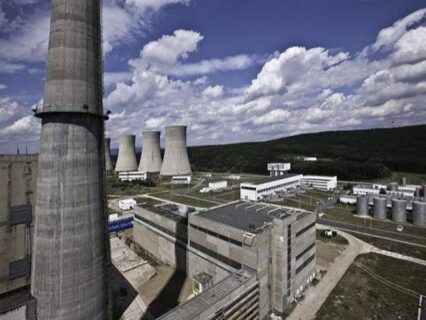
Outlook on Mochovce Nuclear Power Plant Unit 4 Reactor Commissioning
With Mochovce Unit 4 progressing through commissioning, Slovakia is poised to become one of Europe’s most nuclear-dependent electricity systems. The additional generating capacity is expected to improve regional energy security, support electricity exports across Central Europe and contribute to the European Union’s decarbonization objectives.
The start of commissioning at the reactor also demonstrates renewed confidence in nuclear generation at a time when many European governments are reassessing the role of atomic energy within their long-term clean energy strategies.
Mochovce Nuclear Power Plant / Elektraren Mochovce (EMO) Fact Sheet
Location: Between the cities of Nitra and Levice in Slovakia
Reactor Technology: Four VVER-440/V-213 Pressurized Water Reactors (PWRs)
Reactor Designer: Soviet VVER-440/V-213 design, extensively upgraded to meet modern European nuclear safety standards
Owner and Operator: Slovenske elektrarne
Construction Started: 1983 (site works); reactor construction began during the 1980s
Total Number of Units: 4
Operational Units (2026): 3 (Units 1–3), with the fourth and final unit having entered commissioning in June 2026
Total Installed Capacity: 1,882 MW gross
Net Capacity: 1.41 GW
Fuel: Low-enriched uranium
Cooling Water Source: Hron River reservoir system
Primary Purpose: Baseload electricity generation
Contribution to Slovakia’s Electricity Supply: Nuclear power currently provides more than 60% of national electricity generation, expected to rise to around 77% once Unit 4 is fully operational.
Project Significance
- Slovakia’s second nuclear power station
- Largest private investment in Slovak history
- One of Europe’s longest-running nuclear construction projects
- Among the last conventional large nuclear reactors completed in the European Union
Current Status (2026): Fully built, with Units 1–3 operational and Unit 4 having entered commissioning on 29 June 2026 through first fuel loading, ahead of active start-up testing.
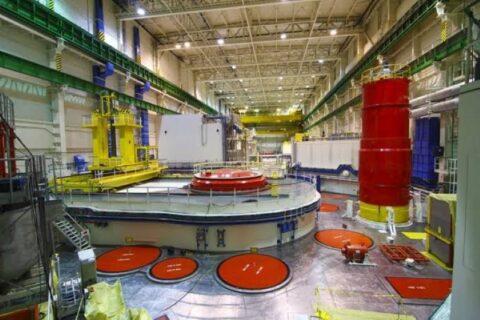
Mochovce Unit 1 Reactor Fact Sheet
Reactor Type: VVER-440/V-213 Pressurized Water Reactor
Gross Capacity: 470 MW
Net Capacity: 440 MW
Thermal Capacity: 1,471 MWth
Construction Start: 1983
Commercial Operation: 1998
Design Life: Extended through modernization and life-extension program
Primary Role: Baseload electricity generation
Current Status: Operational
Notable Features:
- Modernized instrumentation and control systems
- Western safety upgrades
- Up-rated from original 440 MW gross to approximately 470 MW gross.
Mochovce Unit 2 Fact Sheet
Reactor Type: VVER-440/V-213 Pressurized Water Reactor
Gross Capacity: 470 MW
Net Capacity: 440 MW
Thermal Capacity: 1,471 MWth
Construction Start: 1983
Commercial Operation: 2000
Primary Role: Baseload electricity generation
Current Status: Operating commercially
Key Features:
- Similar design to Unit 1
- Modern European safety systems
- Uprated electrical output through modernization program
Mochovce Unit 3 Fact Sheet
Reactor Type: VVER-440/V-213 Pressurized Water Reactor
Gross Capacity: 471 MW
Net Capacity: 440 MW
Thermal Capacity: 1,375 MWth
Construction Start: 1987
Construction Suspended: 1992
Resumed Construction: 2008
Commercial Operation: 2023
Current Status: Operational
Major Upgrades:
- Digital control systems
- Enhanced containment and safety systems
- EU-compliant modernization
Project Importance:
- First new reactor commissioned in Slovakia in over two decades
- Increased Slovakia’s electricity exports and strengthened energy security.
Mochovce Unit 4 Fact Sheet
Reactor Type: VVER-440/V-213 Pressurized Water Reactor
Gross Capacity: 471 MW
Net Capacity: 440 MW
Thermal Capacity: 1,375 MWth
Construction Start: 1987
Construction Suspended: 1992
Restarted Construction: 2008
Regulatory Approval: ÚJD SR decision No. 229/2026 permitting commissioning, in force 24 June 2026
Commissioning Start: 29 June 2026 (first fuel assembly loaded)
Next Steps: Physical start-up and energetic start-up testing, including a 144-hour full-power demonstration run, each subject to ÚJD SR approval
Commercial Startup: Only after completion and evaluation of all prescribed start-up tests and issuance of an operating permit by ÚJD SR
Current Status: Commissioning underway; active reactor testing to follow
Strategic Importance:
- Final reactor completing the Mochovce Nuclear Power Plant complex in Slovakia
- Positions Slovakia among Europe’s most nuclear-dependent electricity systems
- Expected to make nuclear power account for about 77% of Slovakia’s electricity generation
- Supports national energy independence, lower carbon emissions and regional electricity exports.

Leave a Reply