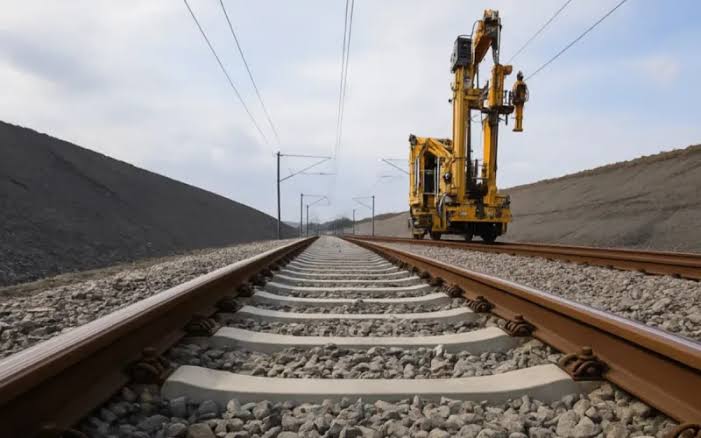
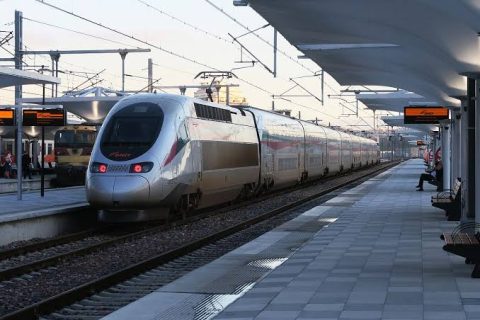
The $5.5bn Agadir high-speed rail extension is officially advancing as Morocco aggressively expands its domestic transit network. A massive overland railway lifeline in North Africa is officially taking shape. Specifically, the government outlined a new investment cycle spanning 2030 through 2035 recently.
The upcoming Marrakech-Agadir link suffered minor geographical challenges previously. Now, a massive influx of state capital guarantees long-term development reliability locally. Millions of Moroccan residents depend entirely on these future transit construction milestones. The government closely partnered on these historic infrastructure rebuilds. Expanding this domestic industrial base secures high-speed commercial revenues.
The project also compliments the Kenitra-Marrakech high-speed railway project that is still making headway. The multi-billion Kenitra-Marrakech railway project’s construction scope is expected in various subsets and phases. Firstly, the civil engineering works for the project to extend the LGV service to Kenitra and Marrakech will be started. This follows the award of the first lot for “earthworks, engineering structures, communications restoration, and fencing,” as officially reported.
Scope of Implementation on the Agadir High-Speed Rail Extension
Rebuilding the Moroccan technological transit landscape requires incredibly complex engineering execution. Over the next few years, developers will construct a sprawling 240-kilometre high-speed route. Subsequently, they will install advanced proprietary rail and signaling systems directly onsite. Workers will eventually add significant commuting capacity across the formidable High Atlas Mountains.
Additionally, they will modernize critical logistics, communications, and tunnel containment systems. The government successfully kept its massive land acquisition pipeline fully operational recently. Furthermore, crews intend to begin producing initial commercial transit capabilities within this decade. Ultimately, this specific rail infrastructure seamlessly supports speeds up to 320 kilometers an hour.
Community Funding and Future Megaprojects
Securing this specific construction phase required massive local expropriation contracts. The Moroccan government strongly supported the Chichaoua project goals. Local executives provided significant financial commitments too. State officials praised the swift expansion and strong community trust.
This project sits alongside several other regional transit megaprojects today. For instance, an ongoing Kenitra-Marrakech high-speed line advances quickly ahead of the World Cup. The surging demand for domestic passenger transit remains a major catalyst. Ultimately, these integrated investments ensure Africa’s busiest transportation corridors thrive continuously.
Project Overview
- Project Value: $5.5 Billion
- Location: Marrakech to Agadir, Morocco
- Developer: Moroccan Government
- Status: Land acquisition advancing
Scope
- 240-kilometre high-speed rail
- Atlas Mountains tunneling
- Massive viaduct construction
- Essaouira network connection
Project Highlights
- 2030-2035 investment cycle
- Speeds up to 320km/h
- 70% civil engineering structures
- 200km/h Essaouira branch
Key Developments
- Presented 2026-31 programme
- Decreed public utility corridors
- Cleared land expropriation pathway
- Advancing Kenitra-Marrakech line simultaneously
Key Challenges
- Executing complex mountain tunneling
- Managing sensitive land expropriation
- Securing $5.5 billion financing
- Aligning with World Cup preparations
Outlook
- Construction commences 2030-2035
- Essaouira branch links Chichaoua
- Connecting lines undergo rehabilitation
- Solidifies African high-speed dominance




Leave a Reply