The Natrium nuclear project marks a significant step in preparing Wyoming’s first-of-a-kind advanced nuclear power station for commissioning. TerraPower has installed a full-scale training simulator at its Kemmerer construction site in Wyoming.
The system replicates the planned plant’s controls and operating behavior before the reactor begins generating electricity. Consequently, engineers can test control software, train operators and rehearse abnormal operating conditions before nuclear operations commence.
The project combines a 345-megawatt sodium-cooled fast reactor with molten salt energy storage. This system can increase electrical output to 500 megawatts during peak demand. The estimated $4 billion project receives support through a public-private partnership with the US Department of Energy (DOE). Construction began in April 2026 following regulatory approval. The facility targets initial operations around 2030–2031.
Digital Twin Strengthens Construction Readiness of Natrium Nuclear Project
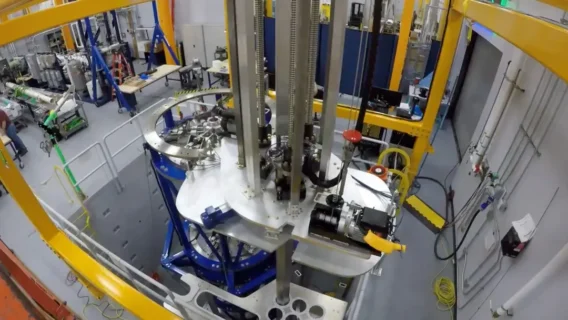
TerraPower selected Curtiss-Wright to deliver the Natrium training simulator. The platform uses 3KEYMASTER software to model plant behaviour and simulate operating conditions in real time. Therefore, operators can practise procedures without affecting the physical facility or compromising plant safety.
The simulator models fluid circulation, temperature changes and reactor responses to equipment failures. Furthermore, it allows engineering teams to test automated safety responses and evaluate control-system performance. These capabilities matter because Natrium introduces operating principles that differ from conventional light-water reactors.
Curtiss-Wright is also developing the plant’s distributed control systems and reactor protection system. Engineers can therefore test these systems against simulated operating conditions before commissioning. This approach helps identify software defects and verify equipment responses earlier in the construction programme.
The digital twin also supports workforce development. Operators must understand both the sodium-cooled reactor and its separate thermal energy storage system. Early simulation training can help prepare qualified personnel before the facility enters service.
Natrium Nuclear Project Supports Flexible Power Generation
The project uses liquid sodium to transfer heat from the reactor core. Unlike water, sodium remains liquid at very high temperatures without requiring similarly high operating pressure. However, sodium reacts with air and water, making specialised engineering controls essential.
The reactor produces a baseline electrical output of 345 megawatts. Meanwhile, its integrated molten salt storage system captures excess thermal energy for later use. When electricity demand increases, the stored heat supports additional steam generation and turbine output.
Consequently, the facility can reach 500 megawatts for more than five hours, according to the reported design. This flexibility could help utilities respond to changing electricity demand without requiring equivalent changes in reactor output.
The storage system also distinguishes Natrium from conventional nuclear plants that primarily deliver steady baseload electricity. It could complement variable renewable generation while supporting grid reliability. Nevertheless, actual performance will depend on commissioning, operational testing and regulatory requirements.
The proposed Natrium nuclear project and Indiana’s planned 6 GW CANDU nuclear development illustrate different approaches to expanding US nuclear generation. While the Natrium project combines a sodium-cooled reactor with thermal energy storage to deliver up to 500 MW of peak output, Indiana’s proposal could accommodate eight reactors with a combined capacity of 6 GW. Both developments highlight the construction, licensing and infrastructure requirements facing the next generation of nuclear power projects.
Natrium Construction Progresses towards Commercial Deployment
The US Nuclear Regulatory Commission approved the construction permit for Kemmerer Unit 1 in March 2026. TerraPower subsequently announced the official start of construction in April 2026. The development represents a milestone for commercial advanced reactors in the United States.
The DOE’s Advanced Reactor Demonstration Program authorises up to $2 billion in federal support. TerraPower and its partners are expected to match that amount under the programme’s cost-sharing framework. The estimated total project cost is approximately $4 billion.
Beyond the first facility, TerraPower is pursuing wider Natrium deployment. In August 2026, the company selected Hyundai Engineering & Construction as an engineering, procurement and construction partner for up to eight future reactors. However, that agreement concerns future deployments rather than the construction contract for Kemmerer Unit 1.
The company’s immediate priority remains completing its demonstration plant and validating the technology. The digital twin provides a practical environment for testing operating procedures and control systems before commissioning. Ultimately, successful delivery could inform future Natrium projects and broader commercial deployment.
Project Fact Sheet
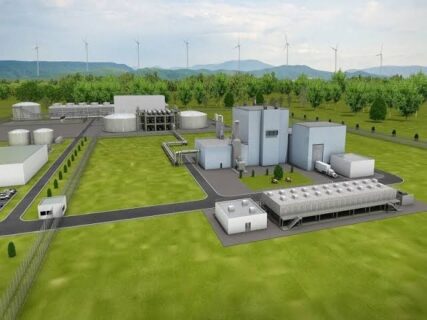
Name: Kemmerer Power Station Unit 1, also known as the Natrium demonstration plant.
Location: Near Kemmerer, Lincoln County, Wyoming, United States.
Type: Advanced nuclear power generation and thermal energy storage facility.
Estimated project cost: Approximately $4 billion.
Federal funding: Up to US$2 billion through the US Department of Energy’s Advanced Reactor Demonstration Program.
Developer: TerraPower.
Reactor technology: Sodium-cooled fast reactor integrated with molten salt thermal energy storage.
Baseline electrical capacity: 345 megawatts.
Peak electrical output: Up to 500 megawatts using stored thermal energy.
Energy storage capability: More than five hours of enhanced output, according to the reported design.
Digital twin system: Full-scale operator training simulator using Curtiss-Wright’s 3KEYMASTER platform.
Construction milestone: Official construction commencement announced in April 2026.
Regulatory milestone: US Nuclear Regulatory Commission construction permit approved in March 2026.
Target operational timeframe: Around 2030–2031.
Project purpose: Demonstrate advanced nuclear technology, flexible power generation and integrated thermal energy storage.
Project Team
Developer: TerraPower
Owner: US SFR Owner, LLC, a TerraPower subsidiary established for the Kemmerer facility.
Federal funding partner: US Department of Energy
Digital simulator supplier: Curtiss-Wright
Digital simulation software provider: Curtiss-Wright
Engineering and control-system supplier: Curtiss-Wright
Reactor technology partner: GE Hitachi Nuclear Energy
Nuclear construction regulator: US Nuclear Regulatory Commission
State permitting authority: Wyoming Industrial Siting Council
Future fleet engineering, procurement and construction partner: Hyundai Engineering & Construction




Leave a Reply