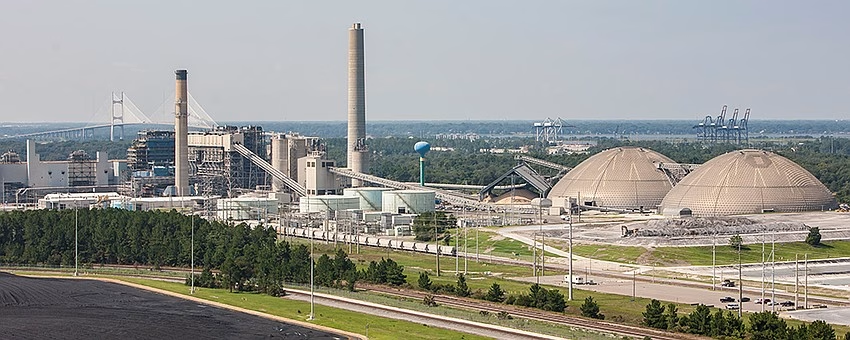
The natural gas power plant project proposed by JEA is a planned energy development in North Jacksonville. The utility’s board approved plans for the $1.57 billion facility, which is to be developed on a site previously occupied by the St. Johns River Power Park.
The proposed plant is planned to occupy approximately 40 acres and would replace infrastructure that was demolished in 2018. The board’s approval enables the utility to proceed with the next stages of project development, including negotiations.
CEO and Managing Director Vickie Cavey has been authorized to finalize an agreement with GE Vernova by the end of August, securing the company’s place in the manufacturer’s production schedule.
JEA officials also said they require the new project to meet Northeast Florida’s growing energy demand and maintain the state-required 15% reserve margin on the grid. The combined cycle facility will generate up to 675 megawatts—enough power to supply approximately 300,000 homes—and will replace 48-year-old Northside Generation Station Unit 3. JEA will retire the old unit, which produces 524 megawatts, by 2031 due to age, higher maintenance costs, and more stringent environmental regulations.
Other Projects
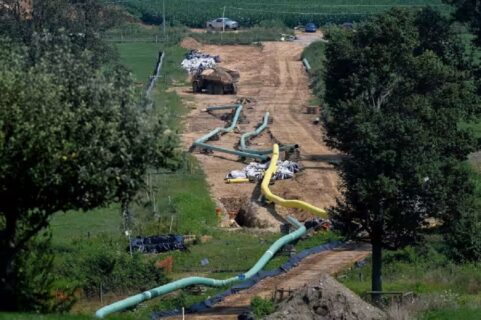
Other than the JEA new natural gas power plant in North Jacksonville, similar projects such as the Northeast Supply Enhancement (NESE) gas pipeline are advancing. The contentious project is expected to break ground soon despite mounting opposition. The Trump administration has been at the forefront in advocating for the project’s advancement. Energy Secretary Chris Wright, Interior Secretary Doug Burgum will attend the groundbreaking event at Brooklyn’s Floyd Bennett Field. Environmental Protection Secretary Lee Zeldin will also be present. It is hosted by William Companies, the firm managing the construction of the project. Another monumental project taking shape is the $2bn natural gas-fired power plant in Hawaii. The investment is for a 500-MW combined-cycle and simple-cycle natural gas-fired power plant in the U.S. Tokyo-based JERA noted the project comes after the company made an agreement with Hawaiian officials last fall.
Tech integration
The technology allows both steam and gas turbines to run simultaneously, producing 50% more electricity from the same amount of fuel than would traditional means. The new facility will also produce fewer emissions. And eventually it might be powered by hydrogen fuel if the technology advances, JEA said. It will require about 40 workers to man the plant as well as new equipment, including water pumps and piping.
The vote followed months of debate about whether JEA should own its own plant or buy power from Florida Power & Light (FPL). A 600-megawatt PPA was the other option, which would have saved money in the short term but was a risk. Board member John Baker felt relying on transmission lines from South Florida would leave Jacksonville vulnerable during times of great storms.
Environmental concerns
Environmental advocates who spoke at the meeting questioned why the utility is doubling down on fossil fuels instead of expanding solar capacity. JEA staff responded that large-scale solar projects face significant hurdles in Northeast Florida. They pointed to policy changes under President Trump that made solar production more expensive than natural gas, as well as the region’s frequent cloudy weather, which reduces solar efficiency. The Trump admiration recently ordered a stop to construction of the Revolution Wind project, an offshore wind farm located 15 miles south of Rhode Island. In addition, utility-scale solar farms would require vast tracts of land, a challenge in the Jacksonville area.
JEA plans to issue a request for proposals from contractors and obtain regulatory permits. They plan to bring the plant into operation in late 2031 or early 2032.
JEA New Natural Gas Power Plant: Project Factsheet
Project Overview
Location: North Jacksonville, Florida (Former St. Johns River Power Park site)
Total Investment: $1.57 billion
Project Status: Board approved (August 26, 2025)
Expected Online Date: Late 2031 – Early 2032
Technical Specifications
Technology: Combined cycle natural gas facility
Generation Capacity: 675 megawatts
Power Output: Sufficient to serve approximately 300,000 homes
Site Area: 40 acres
Staffing Requirements: Approximately 40 employees
Project Rationale
Primary Purpose: Meet rising energy demands in Northeast Florida while maintaining state-mandated 15% grid reserve margin
Facility Replacement: Will replace the aging Northside Generation Station Unit 3
Current Unit 3 capacity: 524 megawatts
Unit 3 age: 48 years (scheduled retirement by 2031)
Retirement drivers: Rising maintenance costs and tighter environmental standards
Immediate Next Steps:
Finalize manufacturing agreement with GE Vernova
Issue request for proposals to contractors
Pursue regulatory approvals

Leave a Reply