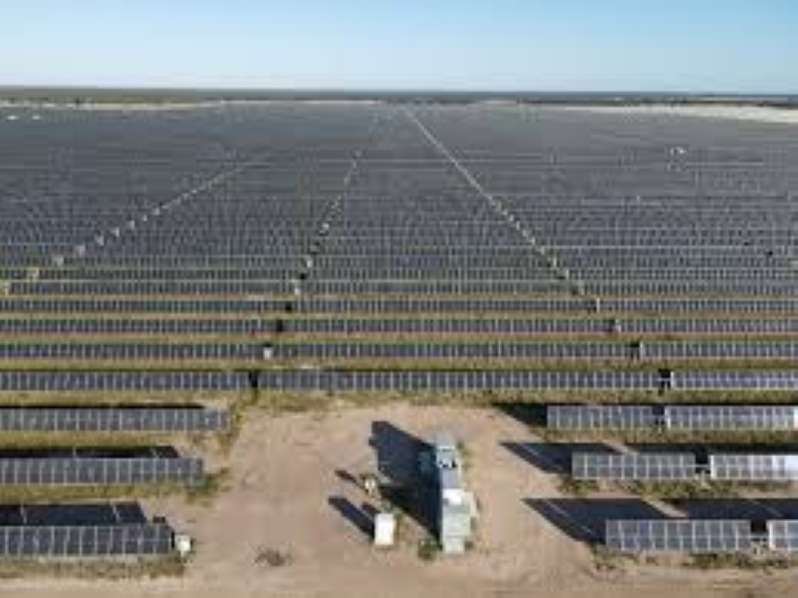
Western Green Energy Hub (WGEH) development phase is increasingly being driven by international offtake interest and progressing feasibility work on its first production tranche, as of 2026. The project, regarded as one of the largest proposed renewable energy developments in the world, recently secured sufficient green ammonia offtake commitments to underpin Phase 1. This continues to strengthen its pathway toward a financial investment decision expected later this decade. This follows expanded engagement with Asian partners and continued feasibility studies under a formal development agreement structure covering approximately 6GW of initial wind and solar capacity feeding large-scale hydrogen and ammonia production.
Western Green Energy Hub Project Development and Scope
The development remains staged over decades. It targets eventual multi-gigawatt expansion across the Nullarbor region of Western Australia. This is with green hydrogen derivatives positioned for export to Asian markets as demand for low-carbon fuels continues to rise across the globe.
At its full scale, Western Green Energy Hub represent a 70GW renewable energy and green fuels ecosystem. It is designed to produce multi-million-tonne volumes of hydrogen and ammonia annually. This is anchored by development linking dispersed wind and solar clusters to centralized electrolysis and export infrastructure.
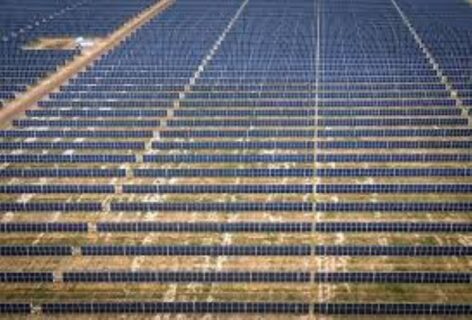
While still pre-FID, the project’s engineering design is also steadily taking shape. This is supported by government project status recognition and active environmental assessment processes. Additionally, Australia, through its long-running CIS program, plans to continue increasing its renewable penetration across the country. The program features mega-installations such as the Smoky Creek and Guthrie’s Gap hybrid projects in Queensland which recently closed financing under developer, Edify.
Western Green Energy Hub (WGEH) Project Fact Sheet
Location: Nullarbor region, southeast Western Australia. This is across Dundas Shire/Kalgoorlie-Boulder region
Proponents: InterContinental Energy, CWP Global (CWP Energy Asia), Mirning Green Energy
Project Type: Ultra-large-scale wind, solar, green hydrogen, green ammonia and e-fuels
May 2026 Status:
- Pre-FEED with feasibility phase progressing
- Stage 1 offtake for green ammonia secured
- International partner agreements active
Planned Capacity:
- 70GW wind and solar
- 3.5 million tons of green hydrogen annually (or higher ammonia equivalent)
- Up to 20 million tons of green ammonia annually
Western Green Energy Hub Stage 1:
- 6GW wind and solar
- 330,000 tpa green hydrogen equivalent output
Target FID: post-2028
Development Structure:
- “Nodal” energy clusters of about 2-3GW each
- Co-located electrolysers and export infrastructure
- Phased build out of 30 years
Key Outputs:
- Green ammonia (primary export commodity)
- Green hydrogen
- E-fuels and industrial feedstocks
Project Development Timeline
2021
- Project announced
2023
- MoU signed with Korea Electric Power Corporation (KEPCO)
2024
- EPA assessment process initiated in Western Australia
- Federal environmental review commenced
2025
- Major Project Status granted by Australian Government
- Public environmental review processes continue
Feb 2026
- Feasibility Phase Agreement signed with SANY International and South Korean partners
- Stage 1 engineering and FEED preparation accelerated – aim for 6GW scope
Mar 2026
- First confirmed green ammonia offtake volumes secured for Phase 1 at about 1.4 Mtpa
May 2026
- Feasibility and partner structuring continues ahead of 2029 FID target
Project Developer and Stakeholders
Developers
- InterContinental Energy
- CWP Global (CWP Energy Asia)
- Mirning Green Energy Limited as indigenous equity partner
Technology Partners
- SANY International Development
Government and Regulatory Bodies
- Western Australia Environmental Protection Authority (EPA)
- Australian Department of Climate Change, Energy, the Environment and Water (DCCEEW)
- Australian Energy Market Operator (AEMO)
World’s Largest Renewable Energy Project Seeks Greenlight: Over 60 Million Solar Panels Planned for Installation
Reported January 28, 2025 – The world’s largest renewable energy project in Western Australia seeks the green light to commence implementation. It will have up to 3,000 wind turbines and millions of solar panels, and it seeks permission to commence. Dubbed Western Green Energy Hub, the project is open for public comment on a federal government platform. InterContinental Energy is one of the contracted companies that is developing the project.
Furthermore, CWP Global is also on board as both companies seek to develop the 70 GW renewables project. This is a ramp-up from the previously planned capacity of 50 GW. The developers say it could generate over 200TWh of renewable energy annually. However, this depends on the mix and size of its wind and solar farms. The generation of this expected project is similar to Australia’s current total power generation. In 2023, it stood at 274TWh.
Also read: The Kubuqi Desert Solar Farm: The World’s Largest Desert Solar Power Plant
Implementation Scope of the World’s Largest Renewable Energy Project
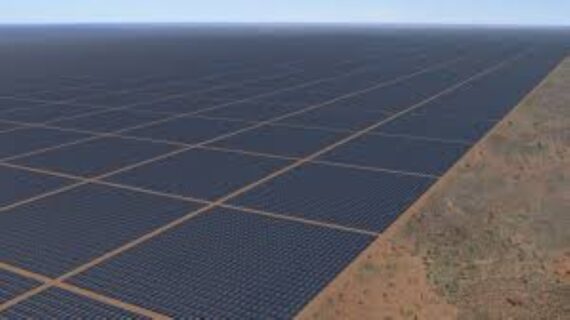
The world’s largest renewable energy project seeks to attain its target as developers plan to erect up to 3,000 wind turbines. The turbines are expected to range from 7 MW up to 20 MW, far bigger than current onshore models. Moreover, they seek to install up to 60 million PV panels spread out across 35 solar farms. The monumental project will also feature hydrogen electrolysers and data centers. It also seeks to include electrical infrastructure, pumping and cooling systems.
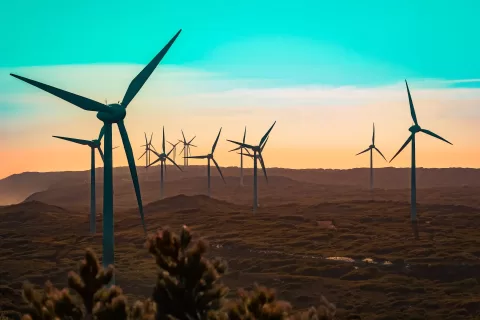
Other components of the proposed action will include green ammonia production facilities and fabrication facilities. There will also be workshops, work villages and an infrastructure corridor along the coast. Western Green Energy Hub is also spread across 22,700 square kilometers of coastal desert land. This area is bigger than several countries around the world such as El Salvador and Slovenia (20,270 km2). There will be seven implementation phases, which will result in the installation of around 35 different “nodes”.
Also read: MTerra Solar Project in the Philipines: The world’s largest integrated solar and battery facility
Also read: World’s largest solar farm, 3.5 GW, connected to grid, China

Leave a Reply