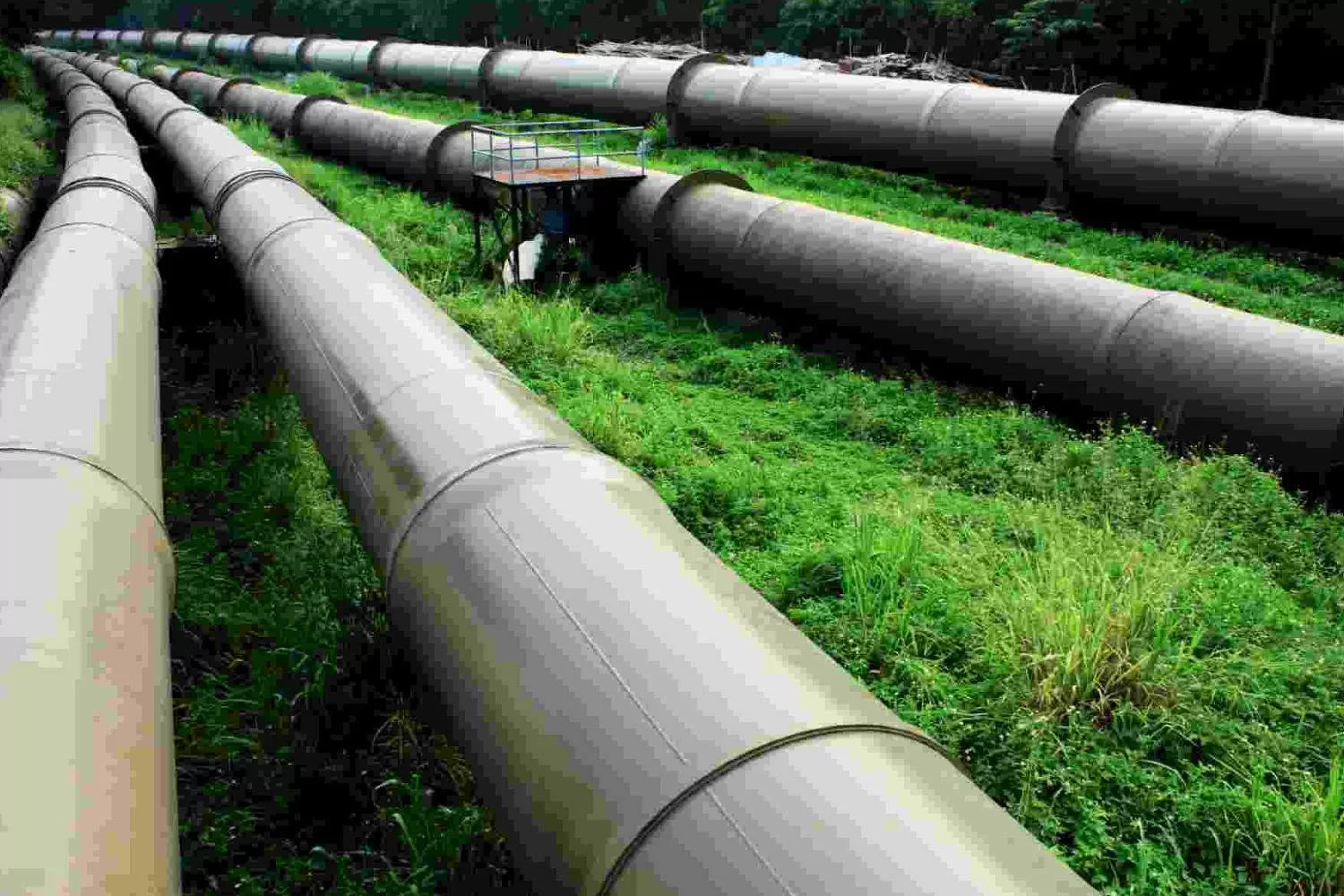
The Nigeria–Libya Gas Pipeline project has seen renewed momentum as part of a broader strategy to monetize Nigeria’s vast gas reserves and connect African energy infrastructure directly to European markets. Recent developments highlight an advancing $20 billion initiative, often designated as the “Renewed Hope” corridor which is led by the Netoil consortium in partnership with Nigerian and Libyan energy officials. Designed to route 30 billion cubic meters (Bcm) of natural gas annually from Nigerian fields through transit partners like Chad and Niger into Libya, the proposed network aims to extend across the Mediterranean directly into Sicily, Italy. High-level bilateral discussions held in London and Tripoli involving Nigeria’s Minister of State for Petroleum Resources (Gas), Ekperikpe Ekpo, and Libya’s Ministry of Oil and Gas have focused on finalizing a Memorandum of Understanding (MoU), establishing operational frameworks, and securing rights-of-way.
While the project offers major economic benefits, including substantial foreign exchange earnings for Nigeria and steady transit revenue and infrastructure upgrades for Libya, it continues to navigate technical, commercial, and geopolitical complexities. Libyan technical committees are actively evaluating preliminary engineering concepts and joint feasibility studies to address long-term operational security and regional stability concerns. Meanwhile, strong commercial interest is emerging, with consortium representatives citing potential European buyers willing to commit to 20-year off-take agreements, framing the pipeline as a vital prospective link for Europe’s energy diversification.
This project alongside the Tobruk-Alexandria pipeline will strengthen Libya’s energy capacity and ensure energy by evading disruptions like the one being experienced in the Strait of Hormuz.
October 8, 2025
Nigeria and Libya governments in 2024 negotiated the proposed Nigeria–Libya Gas Pipeline project, which was intended to build a regional gas pipeline between the two countries.
The negotiations were between Nigeria’s Minister of State for Petroleum Resources (Gas), Ekperikpe Ekpo, and Libya’s Oil Minister, Dr. Khalifa AbduAlsadik. It was held on the sidelines of the Gastech Exhibition and Conference 2024 in Houston, USA. The negotiation lingered on seeking avenues for energy cooperation. Further, it considered examining the feasibility of building a cross-country gas pipeline stretching from Nigeria to North Africa.
Delegates from the two nations participated in the talks, such as their counterparts from Nigeria National Petroleum Company Limited (NNPCL) and Libya’s Ministry of Oil. The action was part of broader activities aimed at strengthening regional energy cooperation and catalyzing the development of Africa’s natural gas infrastructure. The project is of monumental significance as it will facilitate projects such as Libya’s offshore oil exploration project, Block 16/4. The project is located at the coast, northwest of Libya, and is headed by a regional subsidiary of Italian energy giant Eni. Moreover, it is responsible for managing the company’s oil and gas operations in North African countries with major focus on Libya. The company is re-entering the C1-16/4 exploratory well, known as BESS-3.
The company aims to complete drilling to its planned final depth of 10,520 feet (3,200 meters). Drilling on the C1-16/4 well originally began on March 11, 2020. However, operations were halted shortly after due to the COVID-19 pandemic. The initial drilling reached 1,012 feet before the well was temporarily abandoned on April 14, 2020. The C1-16/4 well is located in Contract Area D (MN-41), approximately 95 kilometers offshore from the Libyan coast.
Conception of the Idea of the Project
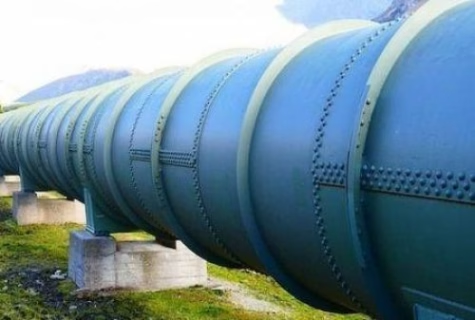
The discussion surrounding the construction of a regional pipeline between Nigeria and Libya has been ongoing for quite some time, as both nations are major oil and gas producers in Africa.
In the year 2022, the then Libya’s Oil Minister, Mohamed Aoun, proposed that the ongoing project of the $13 billion Nigeria-Morocco Gas Pipeline (NMGP) from Nigeria should pass through Libya instead of passing through Algeria, which is another resource-rich African country.
The cross-border pipeline is expected to transport gas from Nigeria to other African nations and the European market upon completion.
The pipeline spans 5,600 km and will pass through 13 African countries: Nigeria, Benin Republic, Togo, Ghana, Cote D’Ivoire, Liberia, Sierra Leone, Guinea, Guinea Bissau, Gambia, Senegal, Mauritania, and Morocco.
Significance/Benefits of the Nigeria-Libya Gas Pipeline Project
The proposed Libya-Nigeria gas pipeline project holds significant potential for both countries and the broader region. Here are some key points:
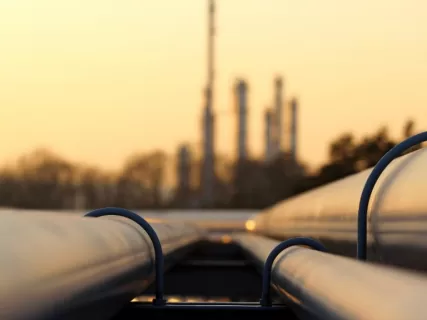
- Economic Benefits: This mega pipeline could bring forth substantial economic benefits for Libya and Nigeria by facilitating the export of natural gas to the neighbouring continent Europe. This would provide a new revenue stream and help diversify their economies1.
- Energy Security: For the neighbouring continent Europe, the upcoming pipeline will offer an alternative source of natural gas, enhancing energy security and reducing dependence on the Russian gas.
- Regional Cooperation: This pipeline project upon completion will promote regional cooperation and integration, as it involves and will pass through multiple African countries. This could eventually lead to improved political and economic ties across the continent.
- Infrastructure Development: The construction of the pipeline would entail significant infrastructure development, this project will eventually create jobs and boosting local economies along the route.
- Environmental Impact: By providing a much cleaner energy source compared to its alternatives coal and oil, the pipeline could contribute to reducing greenhouse gas emissions and supporting global climate goals.
Generally, the Libya-Nigeria pipeline project brings forth a strategic initiative with far-reaching implications for economic growth, energy security, and regional cooperation in the African region.
Nigeria–Libya Gas Export Pipeline: Project Factsheet
Official Name: Nigeria–Libya Gas Export Pipeline (often designated as the Renewed Hope Pipeline Corridor)
Project Status: Proposed / Active Feasibility & Intergovernmental MoU Phase
Estimated Total Investment: $20 Billion USD
Planned Export Capacity: 30 Billion Cubic Meters (Bcm) per year
Total Route Length: 3,200 km to 5,600 km
Primary Route Corridor: Nigeria (Source Fields)- Chad- Niger- Libya (Coastal Terminus)- Sicily, Italyroject Team
Project Team
Nigerian National Petroleum Company Limited (NNPC Ltd.): Represents Nigeria’s upstream and midstream state energy interests. NNPC is tasked with supplying gas feedstock from southern Nigerian fields and aligning domestic gas infrastructure with the export corridor.
National Oil Corporation (NOC) of Libya: Represents Libya’s state petroleum assets alongside Libya’s Ministry of Oil and Gas. NOC oversees transit rights, coastal integration, and technical feasibility for routing gas across Libyan territory and into Mediterranean subsea infrastructure.
Netoil Inc. (Netoil Consortium): The primary private investment and development lead for the project (often referred to as the “Renewed Hope Pipeline Consortium”). Led by CEO Roger Tamraz, Netoil is spearheading international financing, commercial structuring, rights-of-way acquisition, and European off-take commitments.
Unicorn Group: A corporate partner involved in the project consortium. Represented by CEO Alain Bolo during international development talks, Unicorn focuses on the commercial structuring aimed at reducing gas flaring and expanding African gas deliveries to Europe.
Also read: World’s Largest Iron Steel Plant to be Constructed in Benghazi, Libya
World’s Biggest Man-Made River: The Mega $25 Billion Great Man-Made River Project in Libya
Leave a Reply