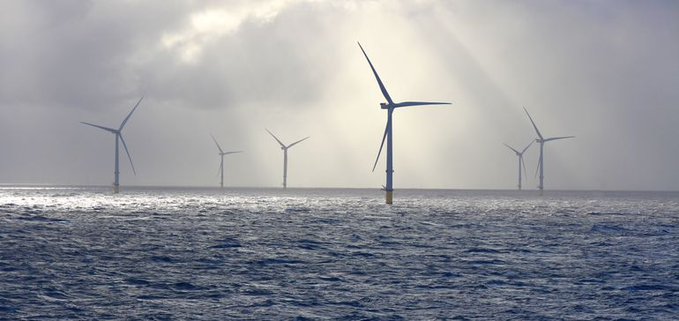
Australia’s Midwest Offshore Wind Farm project has been withdrawn from the federal environmental assessment process, ending the current proposal for a major offshore renewable energy development near Kalbarri in Western Australia.
The project, proposed by Midwest Offshore Wind Pty Ltd, planned to generate more than 3GW of electricity annually through offshore wind infrastructure. The Australian Government’s environmental assessment portal now confirms the project’s withdrawn status. However, the available record does not identify the reasons behind the withdrawal or announce a replacement development schedule.
The proposed development would have occupied Commonwealth and Western Australian waters off the Mid-West coast, approximately 500 kilometers north of Perth. Its planned infrastructure included up to 200 offshore wind turbines and supporting electricity transmission assets.
The developer intended to connect the facility to an onshore electricity demand center or grid connection point. Consequently, the proposal represented a substantial potential addition to Western Australia’s renewable energy infrastructure.
Midwest Offshore Wind Farm Project Faces a Changed Development Outlook
The federal environmental assessment process recorded the project under reference number 2022/09264. Midwest Offshore Wind Pty Ltd submitted the proposal in 2022, outlining plans for large-scale offshore electricity generation. The development would have included offshore infrastructure and supporting onshore facilities required to transmit the generated electricity.
The project’s proposed development area covered approximately 314,400 hectares, including around 3,106 square kilometers within Commonwealth waters. The offshore infrastructure would have extended across waters near Kalbarri, with supporting facilities planned onshore. The project’s stated generating capacity exceeded 3GW, potentially producing approximately 12–13 terawatt-hours of electricity annually.
Nevertheless, the federal portal now records the proposal as withdrawn. The available decision record does not explain whether environmental concerns, commercial considerations, financing challenges or other factors influenced the decision. Therefore, those issues should not be presented as confirmed reasons for the withdrawal.
The project also lacks a confirmed construction start date, final investment decision or verified construction cost in the cited records. Accordingly, its original capacity and infrastructure plans remain historical proposal details rather than commitments for an active construction site.
Midwest Offshore Wind Farm Project and Australia’s Renewable Energy Pipeline
The withdrawal highlights the changing development outlook for offshore wind infrastructure in Western Australia. However, it does not mean every offshore wind proposal in the state has ended. Other projects continue through separate licensing, assessment and development processes.
The federal government’s offshore wind framework requires developers to assess potential environmental impacts before securing approval. These assessments consider marine ecosystems, seabeds, threatened species and other matters protected under national environmental legislation. Developers must address the applicable requirements before projects can proceed.
Meanwhile, Western Australia is also advancing onshore wind proposals. Vestas’ separate Mid West Wind Farm development has outlined plans for environmental reviews and a development application during 2026, with construction provisionally targeted for 2027–2030, subject to approvals. This onshore project is distinct from the withdrawn Midwest Offshore Wind Farm proposal near Kalbarri.
Victoria is also advancing large-scale renewable energy infrastructure through the Warracknabeal Energy Park. The proposed development has received its final state planning approval and is awaiting federal environmental clearance. Its planned 219 turbines would deliver approximately 1.5GW of generation capacity, alongside two 300MW battery energy storage systems. The project could create nearly 950 construction jobs if it proceeds.
The Warracknabeal Energy Park project illustrates how Australia’s renewable energy projects continue through different approval stages. While the Victorian development advances towards federal assessment, the Midwest offshore proposal has exited the current assessment process. The contrast demonstrates the importance of regulatory approval, project development planning and investment certainty in delivering major renewable energy infrastructure.
Read Also: Plans underway to construct a 225MW pumped hydro energy storage plant in Estonia
Construction of the Mid West offshore wind farm in Australia
Copenhagen Energy Chief Executive Officer Jasmin Bejdic stated that the business was happy to share information on its second proposed WA project. This is following significant energy and offshore wind farm announcements by the Federal and WA Governments. One of the six offshore wind zones that the Federal Government just announced is the Perth/Bunbury area. According to the State Government, it will shut down its coal-fired power plants. Then, it will look for alternate energy sources for its South West grid.
“These are encouraging advances for the offshore wind farms in Australia and WA,” Bejdic stated. “Our offshore wind farms are perfectly situated to contribute to WA’s future energy needs. Our Leeuwin and Mid West projects can replace fossil fuel-generated electricity with dependable, renewable energy. This is while also generating jobs during building and operation and fostering the growth of new talents. Along with onshore wind and solar energy, the International Energy Agency has designated offshore wind energy as one of the “big three” to address global warming.
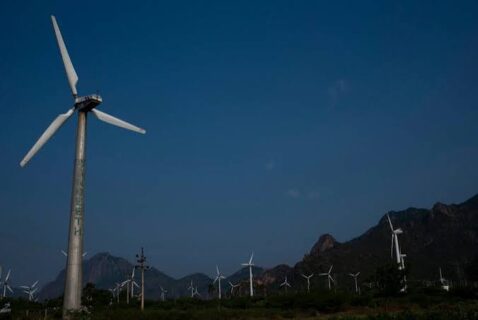
Project Fact Sheet
Name: Midwest Offshore Wind Farm.
Type: Proposed offshore wind power development.
Location: Offshore waters near Kalbarri, Western Australia.
Region: Mid-West, approximately 500 kilometers north of Perth.
Project proponent: Midwest Offshore Wind Pty Ltd.
Federal assessment reference: EPBC 2022/09264.
Proposed generating capacity: More than 3GW.
Proposed electricity generation: Approximately 12–13 terawatt-hours annually.
Development envelope: Approximately 314,400 hectares.
Proposed turbines: Up to 200 offshore wind turbines.
Commonwealth waters component: Approximately 3,106 square kilometers.
Supporting infrastructure: Offshore turbines and electricity transmission assets, with associated onshore facilities.
Federal assessment status: Withdrawn.
Withdrawal date and reason: Not established in the available project records.
Original development objective: Generate large-scale renewable electricity for connection to an onshore demand center or electricity grid.
Project Team
Proponent: Midwest Offshore Wind Pty Ltd
Federal environmental authority: Australian Government Department of Climate Change, Energy, the Environment and Water
State environmental authority: Western Australian environmental authorities

Leave a Reply