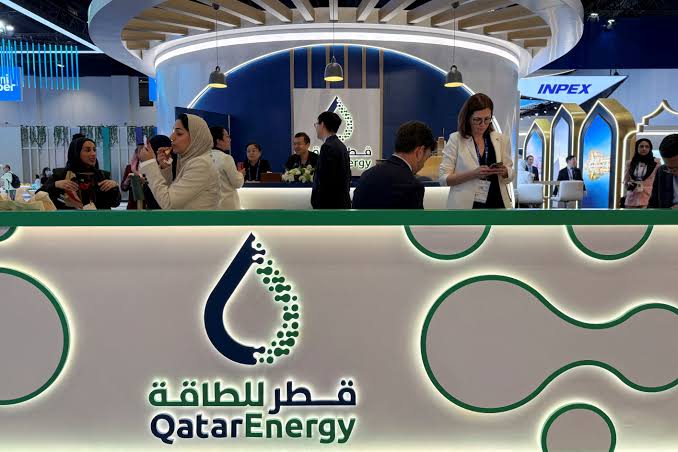
QatarEnergy and the Japan Bank for International Cooperation (JBIC) have signed a memorandum of understanding on energy cooperation. The QatarEnergy JBIC energy MoU was announced on November 25, 2026. It covers LNG, carbon capture and storage, power generation, and more. However, the parties have not disclosed a deal value or named any projects.
What the QatarEnergy-JBIC energy MoU covers
Saad Sherida Al-Kaabi, Qatar’s Minister of State for Energy Affairs and QatarEnergy’s CEO, signed for Qatar. Kazuhiko Amakawa, JBIC’s governor, signed for Japan. The agreement sets a framework for joint opportunities across the energy sector. It aims to deepen their strategic partnership on energy security, resilient supply chains, and investment.
The MoU lists several areas to explore:
- LNG and natural gas, upstream and downstream
- Energy infrastructure
- Carbon capture and storage
- Power generation
- Renewable energy
- Water desalination
In addition, the two sides will explore energy, infrastructure, and industrial projects in third countries. These include initiatives involving Japanese companies. The MoU also aligns with POWERR Asia, the Partnership on Wide Energy and Resources Resilience.
Why the MoU matters for LNG and infrastructure
An MoU is not a binding contract. Therefore, the agreement names no projects, locations, or financing terms. It lists areas the parties will explore, and no timeline has been given. Even so, the agreement links Qatar’s gas expertise with Japan’s state-backed lender, which often supports Japanese companies’ overseas projects.
Al-Kaabi called Japan a longstanding and highly valued energy partner of Qatar. He said the agreement builds on that relationship and offers a wider platform across the energy value chain. The sides framed the MoU around stable and sustainable supplies across the Middle East and Asia. Japan is already a major LNG customer for Qatar. Earlier this year, QatarEnergy signed a long-term LNG supply deal with Japan’s JERA, which is reported to be a 27-year agreement. The new MoU could extend that relationship beyond gas sales into infrastructure and low-carbon projects.
What happens next?
The next step is for the parties to turn the listed areas into specific projects. Possible outcomes include financing for LNG capacity, carbon capture schemes, or power and water plants. However, none of these has been announced. Watch for named projects, JBIC financing terms, and the involvement of Japanese contractors.
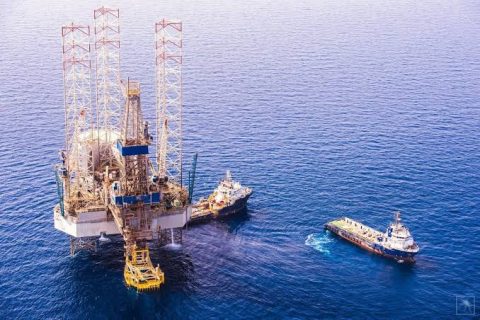
Qatar is also pushing ahead with large projects at home. For example, the $40bn North Field West offshore expansion has drawn bids from COOEC, L&T, McDermott, and Saipem.
other projects
Japan investing $36 billion in US projects is a big development in the energy and industrial construction of the United States. The initial stage of investment is aimed at energy production, export facilities, and high-quality manufacturing. Consequently, the Engineering, Procurement, and Construction (EPC) contractors are looking forward to the execution of the projects on a multi-year basis

Leave a Reply